How to stop Delhi from turning into a ‘gas chamber’ in winter? MCD discusses steps
Source Entity
Mishal Mussaddique
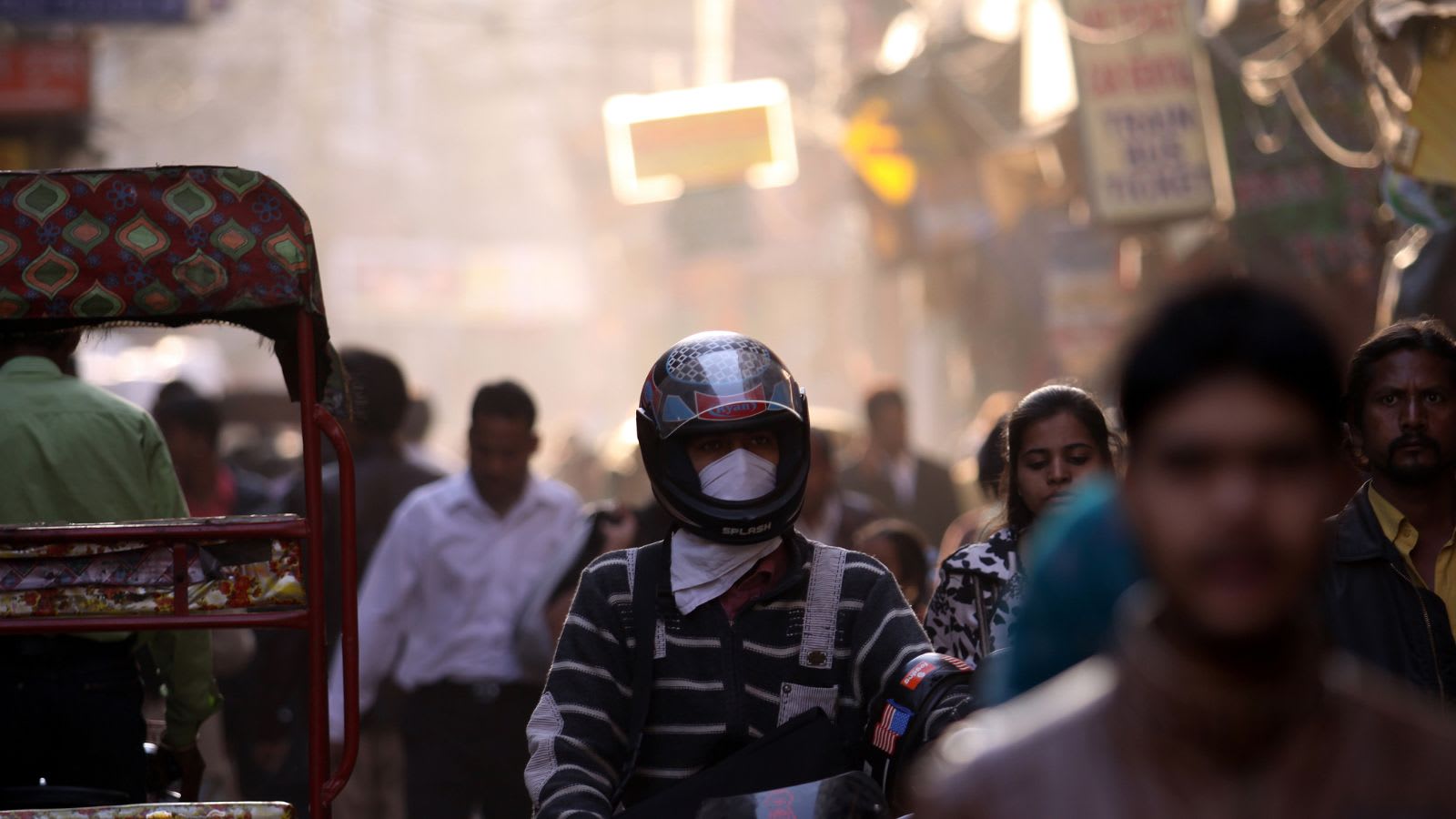
The Municipal Corporation of Delhi is implementing aggressive dust mitigation strategies, including new mechanical sweepers, to combat winter air pollution. These measures aim to prevent the capital from reaching hazardous 'gas chamber' conditions.
Delhi's Winter Pollution Battle: A Municipal Strategy
As winter approaches, the Municipal Corporation of Delhi (MCD) has initiated a series of aggressive policy debates and tactical deployments aimed at preventing the recurring crisis of hazardous air quality in the national capital. Recognizing the severity of the situation, councillors from across the political spectrum have converged on a unified objective: mitigating the dust and particulate matter that historically transform Delhi into a 'gas chamber' when temperatures drop and atmospheric inversion occurs.
The Deployment of Mechanical Infrastructure
Central to the MCD's winter action plan is the modernization of sanitation infrastructure. Environment Management Committee Chairperson Sandeep Kumar confirmed that the Delhi government has successfully funded and approved the procurement of 70 advanced mechanical road-sweeping machines. This fleet is strategically designed to address the specific urban morphology of Delhi, incorporating 45 smaller, 2-cubic-meter capacity sweepers capable of navigating narrow lanes under 60 feet. By targeting these often-neglected areas, the city aims to reduce the primary suspension of road dust, a major contributor to PM2.5 and PM10 levels.
Integrated Dust Mitigation Protocols
Beyond mechanical sweeping, the municipal strategy integrates a multi-layered approach to environmental management. This includes intensified deep cleaning of urban surfaces and consistent water sprinkling protocols. These actions are designed to suppress dust at the source, preventing it from becoming airborne during high-traffic hours. The focus on 'deep cleaning' signifies a shift toward more proactive maintenance rather than reactive cleanup, acknowledging that dust accumulation is a chronic issue that requires constant mitigation.
Addressing the Winter 'Gas Chamber' Phenomenon
Historically, Delhi's air quality deteriorates significantly during the winter months due to a combination of meteorological factors, such as low wind speed and temperature inversion, and localized pollution sources. The MCD’s recent House Committee discussions highlight a growing political consensus that municipal-level interventions—specifically those targeting dust—are essential components of the broader Winter Action Plan. By focusing on mechanical interventions, the city hopes to break the cycle of pollution that plagues residents annually.
Implications and Future Outlook
Looking forward, the success of these measures will depend on the effective deployment and maintenance of the new mechanical fleet. While road dust is only one factor in Delhi's complex air quality puzzle, the MCD’s commitment to providing specialized equipment for narrow lanes demonstrates a data-driven approach to urban management. If these mitigation efforts are sustained throughout the winter, they may serve as a scalable model for other rapidly urbanizing regions facing similar air quality challenges.