Barristers must stop using rape myths in trials, justice secretary says
Source Entity
BBC News
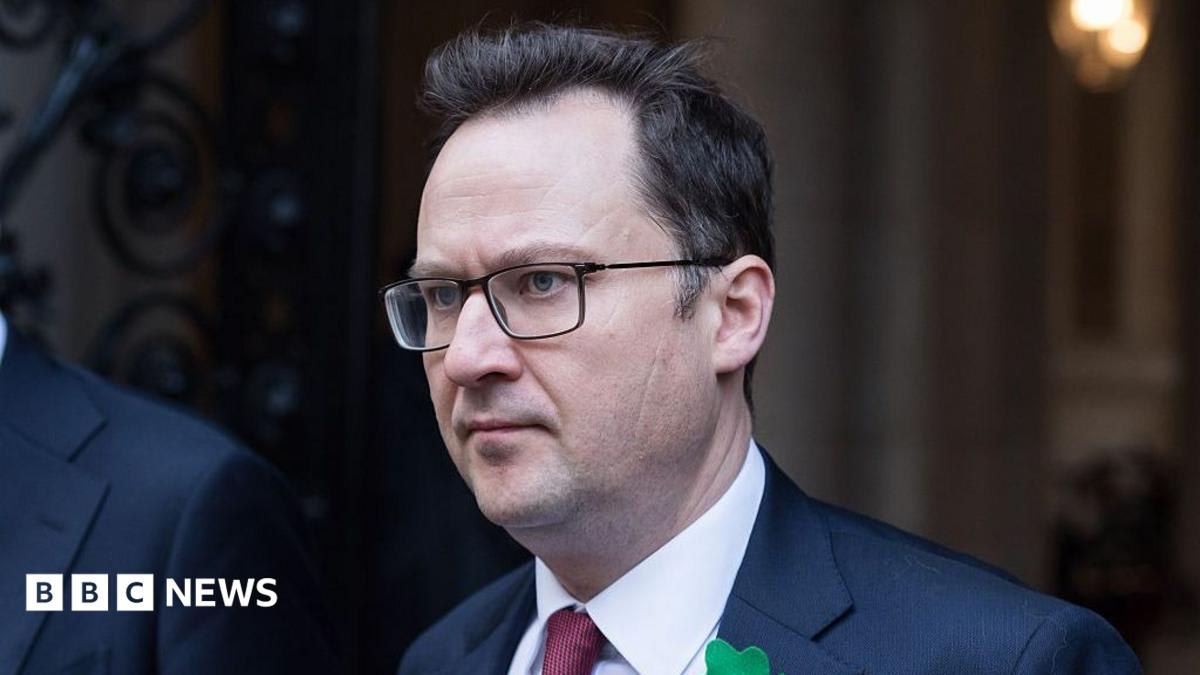
The UK Justice Secretary has condemned the use of rape myths in legal defense after Russell Brand's barrister faced backlash for his courtroom conduct. This incident has sparked a national debate on judicial ethics and the protection of survivors within the legal system.
The Intersection of Legal Advocacy and Rape Myth Perpetuation
Recent legal proceedings involving comedian Russell Brand have ignited a significant controversy regarding the conduct of defense barristers and the persistence of 'rape myths' within the courtroom. Following Brand’s sentencing to 10-and-a-half years for one count of rape and three counts of sexual assault, the spotlight has turned toward his legal representative. Barrister Winter’s line of questioning—specifically suggesting that accusers did not resist or attempt to leave—has been widely criticized as an attempt to undermine survivors through outdated and harmful tropes.
The Impact of 'Rape Myths' in Legal Defense
'Rape myths' are prejudicial, stereotyped, and false beliefs about sexual assault, victims, and perpetrators that often serve to shift blame away from the offender. By asking a jury if they could believe that out of 'many, many women' Brand had sex with, 'he raped just three of them,' the defense employed a tactic designed to cast doubt on the victims' credibility by implying they were part of a pattern of consensual behavior. Legal experts and advocacy groups, such as Rape Crisis, argue that such tactics are not only ethically questionable but actively impede justice by discouraging victims from coming forward.
Institutional Accountability and Ethical Standards
In response to these events, the Justice Secretary has issued a firm directive that barristers must cease the use of rape myths in trials. This sentiment was echoed by Norris, who wrote to the Bar Standards Board (BSB) demanding a clear signal that the perpetuation of such myths is unacceptable. The core of this argument is that courtroom decorum should reflect broader societal values; if rape myths are deemed harmful and unacceptable in society at large, they should not be granted a safe harbor within the justice system under the guise of zealous advocacy.
Psychological and Societal Consequences
The charity Rape Crisis has highlighted that it is 'really common' for survivors of sexual violence to experience trauma that manifests in ways that contradict the popular, albeit false, 'ideal victim' narrative. When defense teams leverage these myths, they reinforce the psychological burden on survivors, who may already feel invalidated by their experiences. The legal system, by allowing these narratives, risks re-traumatizing victims and maintaining systemic barriers to reporting sexual violence.
Future Trends in Judicial Reform
The outcry surrounding the Brand case suggests a turning point in how the legal profession regulates its members. We can expect increased scrutiny from regulatory bodies like the BSB to ensure that defense strategies do not cross the line into discriminatory or abusive questioning. As society evolves in its understanding of consent and trauma, the legal profession faces mounting pressure to modernize its approach, ensuring that the right to a robust defense does not come at the expense of the truth or the dignity of those seeking justice.