Gérard Depardieu drops appeal against sexual assault conviction
Source Entity
BBC News
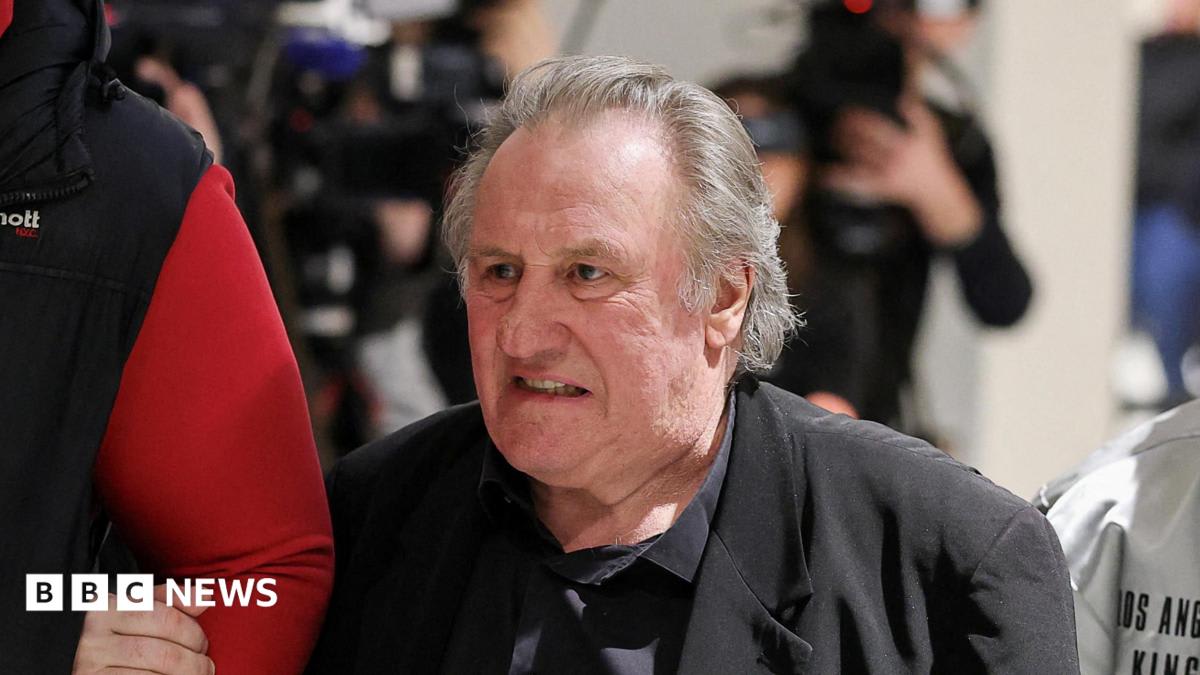
French actor Gérard Depardieu has withdrawn his appeal against a sexual assault conviction, accepting an 18-month suspended sentence. This decision follows his public apology for offensive behavior toward women on a film set.
The Legal and Cultural Shift in the Depardieu Case
The decision by French film icon Gérard Depardieu to drop his appeal against a sexual assault conviction marks a watershed moment in the intersection of European cinema and the #MeToo movement. By abandoning his legal challenge on the very day it was scheduled to commence in a Paris court, the 77-year-old actor has effectively codified his guilt for the abuse of two women during a 2019 film shoot. This reversal is significant, as it transitions his status from an accused individual contesting allegations to a legally convicted offender serving an 18-month suspended prison sentence.
A Dramatic Reversal of Defense
For years, Depardieu maintained a staunch defense, categorically denying any sexual impropriety. His sudden pivot—characterized by a written statement acknowledging that his behavior was "often offensive" and offering a "deep and sincere" apology—represents an extraordinary departure from his previous legal strategy. By stating, "Justice was pronounced. I was found guilty. I understand and bow to this conviction," Depardieu has effectively preempted a protracted trial that promised to bring further scrutiny to the power dynamics prevalent on film sets.
The Human Impact of the Conviction
At the heart of this legal resolution are the survivors, one of whom, identified as Amélie, publicly celebrated the outcome. Her declaration that "victory is ours" highlights the emotional toll of seeking accountability in high-profile cases. For victims of workplace harassment within the entertainment industry, Depardieu’s admission serves as a rare validation of the experiences of those who often face immense pressure to remain silent when confronted with the stature of a legendary performer.
Broader Implications for the French Film Industry
This case has broader implications for the French cultural landscape, which has historically been hesitant to engage with the systemic issues raised by global movements against sexual violence. The fact that a figure as synonymous with French national identity as Depardieu has been held accountable signifies a shifting threshold for accountability. It suggests that the "culture of silence" that has long shielded prominent figures in the arts is becoming increasingly unsustainable in the face of rigorous legal scrutiny and shifting public sentiment.
Historical Context and Future Trends
Historically, the French legal system and the film industry have operated with a degree of insularity regarding the conduct of its stars. However, this conviction suggests a future where professional status no longer grants immunity from criminal law. As the industry moves forward, the Depardieu case will likely serve as a foundational reference point for future workplace conduct policies, legal proceedings, and the ongoing discourse surrounding consent and professionalism on film sets across Europe.
Conclusion
In concluding his legal battle, Gérard Depardieu has accepted the consequences of his actions, leaving his 18-month suspended sentence intact. While his apology aims to address the harm caused, the legal finality of the conviction remains the most consequential outcome. This case stands as a testament to the persistence of survivors and the evolving capacity of the judicial system to address misconduct, regardless of the perpetrator's celebrity status.