Cut Off By A 300-Foot Gorge, Uttarakhand Village Marks A Lonely Raksha Bandhan
Source Entity
NDTV News Search Records Found 1000
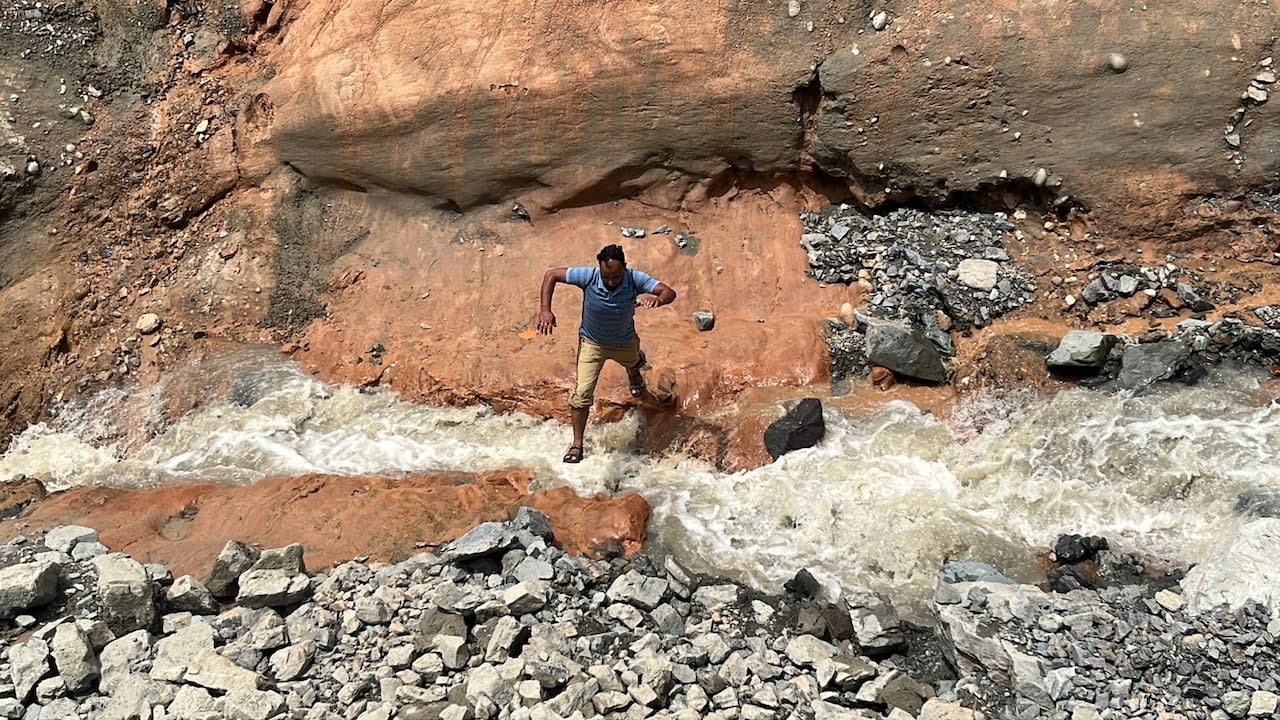
Batoli village in Uttarakhand's Sahaspur constituency faces severe isolation this Raksha Bandhan due to a 300-foot gorge. The lack of connectivity highlights the persistent infrastructure challenges in remote Himalayan regions.
The Geography of Isolation: Batoli Village
The recent reports concerning Batoli village, located within the Sahaspur Assembly constituency of the Dehradun district in Uttarakhand, shed light on the profound challenges faced by remote Himalayan settlements. During the festive occasion of Raksha Bandhan, a time traditionally defined by connection and familial reunion, the village found itself physically severed from the outside world. The primary barrier is a formidable 300-foot gorge that acts as a natural divide, rendering standard transit routes impassable and leaving the community in a state of enforced solitude.
Infrastructure and Regional Connectivity
In the context of Uttarakhand’s rugged topography, the situation in Batoli is not an isolated incident but rather a symptom of broader developmental hurdles. The Sahaspur constituency, while geographically close to the administrative hub of Dehradun, contains pockets of terrain that remain difficult to integrate into the modern transportation grid. The existence of a 300-foot gorge necessitates significant engineering interventions, such as bridge construction, which are often delayed by the high costs and logistical complexities associated with mountainous construction in the Himalayas.
Socio-Economic Impact of Geographical Barriers
Connectivity is the lifeblood of rural economies. When a village is cut off by a deep gorge, the implications extend far beyond the inability to travel during holidays. It impacts the timely delivery of essential goods, access to emergency healthcare, and the ability of the youth to commute for education. For the residents of Batoli, the inability to traverse this gap during a major cultural festival serves as a poignant reminder of the fragility of their link to the regional economy and social infrastructure.
Historical Context and Development Trends
Historically, many villages in the Dehradun district and wider Uttarakhand have relied on traditional footpaths that become hazardous or unusable during monsoon seasons or when natural erosion deepens existing gorges. As the state seeks to modernize, the focus is increasingly shifting toward 'all-weather' connectivity. However, the gap between policy intent and ground-level execution remains wide, particularly for small, remote hamlets that lack the political or commercial leverage to prioritize expensive infrastructure projects like bridge spans over deep ravines.
Future Outlook and Policy Implications
Looking ahead, the situation in Batoli emphasizes the urgent need for a granular approach to infrastructure development in Uttarakhand. Future trends suggest that if these regions are to remain inhabited and thriving, local governance must prioritize small-scale, high-impact engineering projects. Addressing the specific barrier of the 300-foot gorge will be a litmus test for the Sahaspur constituency’s commitment to its most vulnerable residents, ensuring that future celebrations are defined by community rather than isolation.
Verification Required?