Nepal floods, in visuals: A collapse 5,200m high, 170km of devastation, bodies swept up to India & a lake overflowing
Source Entity
Latest News: Todays Latest News Headlines from India & World | Hindustan Times | Hindustan Times
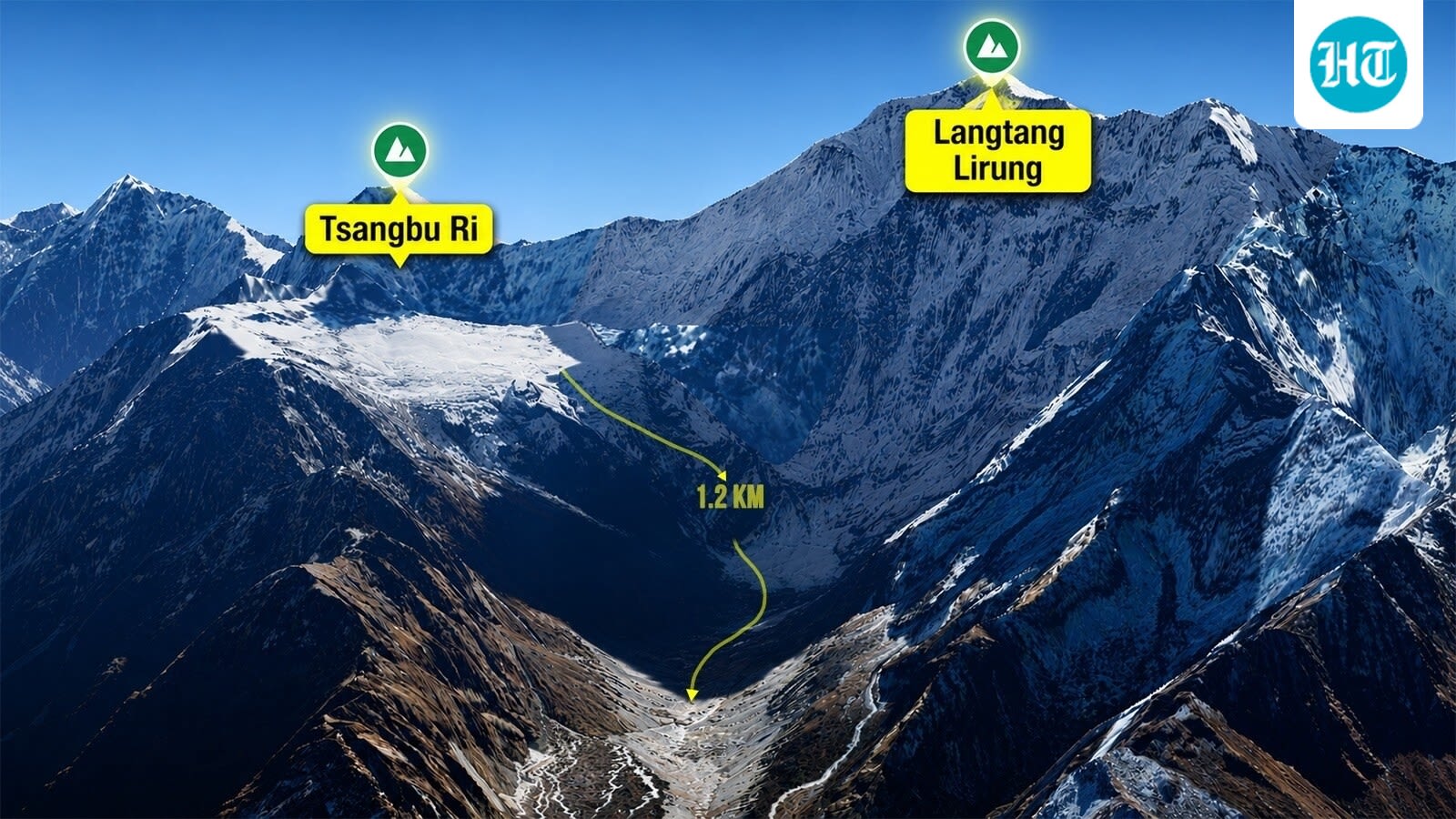
Authorities in North India are on high alert following devastating flash floods in Nepal that threaten river systems in UP and Bihar. Meanwhile, tensions have escalated in Raebareli, Uttar Pradesh, after the desecration of an Ambedkar statue prompted a swift police intervention.
Regional Crisis and Social Unrest: A Multi-Front Challenge in North India
The Transboundary Hydrological Threat
Northern India is currently facing a dual challenge involving environmental disaster and localized civil unrest. The primary concern stems from catastrophic flash floods in neighboring Nepal, which have triggered high-alert protocols across the border districts of Uttar Pradesh and Bihar. The meteorological instability, characterized by heavy rainfall, has forced the opening of barrage gates, directly impacting the flow of critical river systems. Specifically, the Ghaghara, Rapti, and Kosi rivers are experiencing increased water volume, while the Gandak—fed by the Trishuli and Bhote Koshi rivers—poses a significant inundation risk for north Bihar and parts of Uttar Pradesh.
Human Impact and Disaster Response
The situation in Nepal is dire, with reports of mountain valleys being swept by floodwaters, resulting in significant casualties. The international dimension of this tragedy is underscored by the status of nearly 400 missing tourists, including 105 Indian nationals. This crisis highlights the delicate hydrological connectivity between the Himalayan region and the Indian plains, where water management policies and transboundary cooperation become matters of life and death. The potential for rising water levels necessitates constant vigilance from disaster management authorities in Uttarakhand, Uttar Pradesh, and Bihar to mitigate the risk of downstream flooding.
Social Tensions in Raebareli
Simultaneously, the state of Uttar Pradesh is dealing with internal social instability. In Baburiha village, located within the Gadganj police station limits of Raebareli district, the desecration of a statue of Dr. B.R. Ambedkar has sparked significant public outrage. On the night of August 25, 2026, unknown individuals smeared mud and soot on the statue, an act that residents have condemned as a direct affront to the community. This incident has reignited sensitive debates regarding the protection of public icons and the preservation of social harmony in rural regions.
Law Enforcement and Community Stability
The response to the Raebareli incident reflects a priority on preventing escalation. Local police, including the Additional Superintendent of Police and the Circle Officer of Unchahar, moved quickly to the site to engage with the agitated villagers. By promising a swift investigation and the identification of the culprits, the administration successfully managed to de-escalate the immediate anger. However, the deployment of police forces as a precautionary measure indicates that authorities remain wary of lingering resentment and the potential for opportunistic actors to exploit the situation.
Broader Implications and Future Outlook
These two events, while geographically and thematically distinct, highlight the complexities of regional governance. The flood situation emphasizes the necessity for robust international communication channels regarding dam and barrage management to protect Indian citizens. Conversely, the Raebareli incident highlights the ongoing need for social vigilance and the importance of police visibility in maintaining order. Moving forward, the effectiveness of the administration in both scenarios will be measured by their ability to provide transparency in investigations and disaster management information, ensuring both the safety of the populace and the integrity of communal peace.
Multiple Citing Sources
Verification Required?