Acquitted of 2018 rape-murder of 3 year-old, man held for rape-murder of 76-year-old
Source Entity
TNN
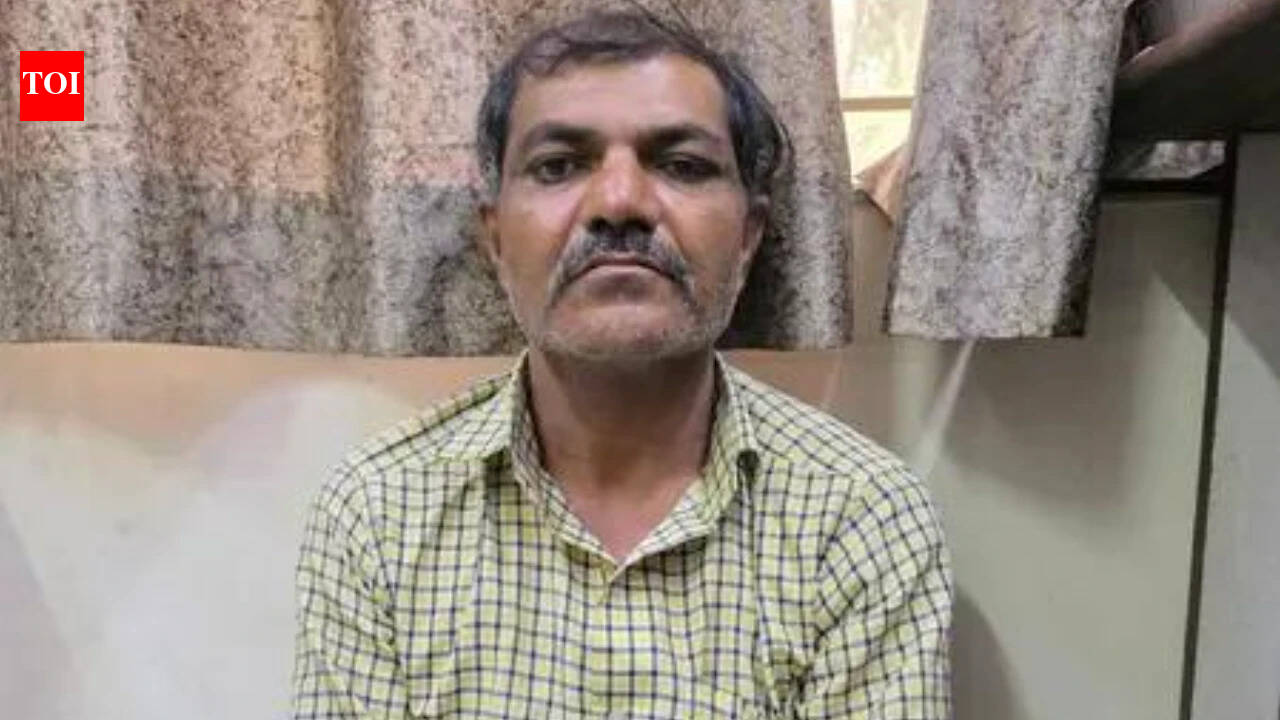
Ramesh Vaidhukiya, previously acquitted of a 2018 child rape-murder, has been arrested for the rape and murder of a 76-year-old woman in Rajkot. Police identified the suspect after an extensive investigation involving 13 kilometers of CCTV footage near Aji Dam.
Criminal Recidivism and the Case of Ramesh Vaidhukiya
The recent arrest of Ramesh Vaidhukiya, a 33-year-old man from Rajkot, has sparked significant public discourse regarding the intersection of the Indian judicial process and criminal recidivism. Vaidhukiya, who was arrested for the rape and murder of a 76-year-old woman near Aji Dam on August 21, had been a central figure in a high-profile legal battle only months prior. Having been previously sentenced to death by a trial court for the 2018 rape and murder of a three-year-old girl, his subsequent acquittal by the Gujarat High Court in February of this year has now become a focal point of intense scrutiny.
Investigative Methodology and Police Success
The apprehension of the suspect was the result of a rigorous investigative effort by local law enforcement. Following the discovery of the victim’s body near the Mogal Mataji temple on the Rajkot-Bhavnagar highway, police initially processed the incident as an accidental death. However, as the investigation transitioned into a criminal inquiry, authorities undertook a massive surveillance operation. By scanning extensive CCTV footage across a 13-kilometer stretch, investigators were able to trace the movements of the suspect, ultimately identifying Vaidhukiya and connecting him to the crime scene.
The Legal Narrative and Judicial Challenges
The progression of Vaidhukiya’s legal history highlights the complexities within the Indian criminal justice system. The fact that he was once under a death sentence for a heinous crime against a minor, only to be acquitted on appeal, raises questions about the evidentiary standards and procedural hurdles faced by the prosecution in capital cases. This rapid turnaround from a death row inmate to a free man—and his subsequent alleged involvement in another brutal crime—underscores the critical nature of monitoring and the challenges in rehabilitating offenders who have faced such severe allegations.
Broader Implications for Public Safety
This incident serves as a grim reminder of the persistent threat posed by repeat offenders and the strain placed on local law enforcement agencies to maintain public safety. The proximity of the crime to a public area like the Aji Dam, a common site for commuters and locals, has heightened concerns among the residents of Rajkot. The case emphasizes the necessity for robust, technology-driven policing, as demonstrated by the effective use of CCTV surveillance, which remains one of the most vital tools in modern criminal identification and evidence collection.
Societal Impact and Future Trends
Looking ahead, this case will likely reignite debates regarding judicial oversight, the treatment of acquitted individuals, and the adequacy of support systems for victims of crime. As the legal proceedings against Vaidhukiya move forward, the community will be watching closely to see how the judicial system handles a case involving a repeat offender whose previous acquittal has already stirred public sentiment. This case also highlights the ongoing need for forensic advancements to ensure that initial investigative findings, such as those that might have misidentified the victim's death, are corrected swiftly to serve the interests of justice.