Cyclone Murasu: Railways cancels 9 trains, sets up 24×7 war room, help desks at major stations
Source Entity
Anish Mondal
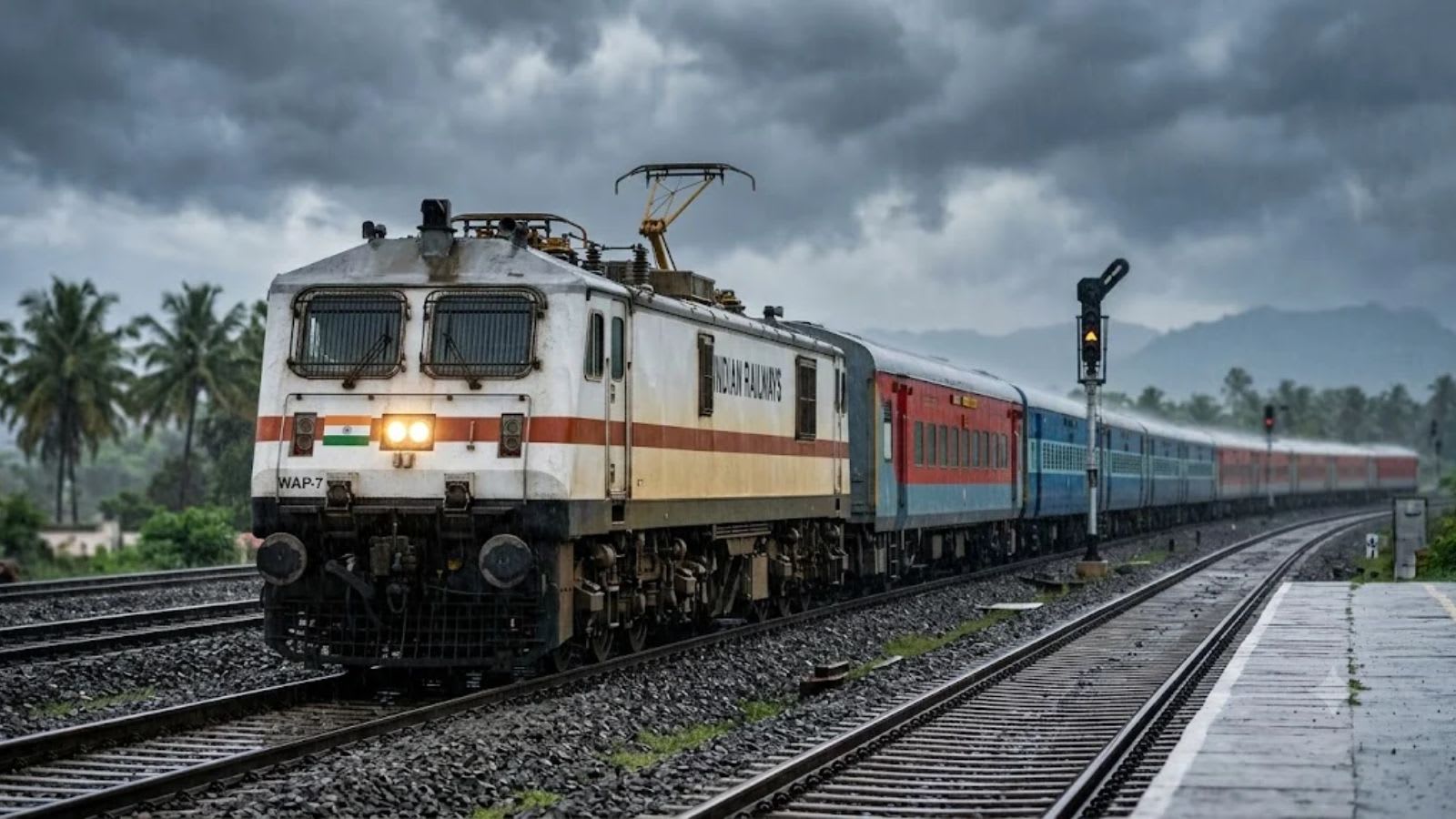
A low-pressure system in the Bay of Bengal is intensifying into a potential cyclonic storm, expected to bring heavy rain to coastal Andhra Pradesh by November 2. While the system will impact the southern peninsula, meteorologists anticipate it will weaken significantly before reaching inland regions like Telangana.
Meteorological Shift: New Cyclone Threat in the Bay of Bengal
The India Meteorological Department (IMD) has issued a significant weather alert as a low-pressure area, currently situated over the South Andaman Sea and the Andaman and Nicobar Islands, shows signs of rapid intensification. This atmospheric disturbance is projected to evolve into a depression and subsequently a cyclonic storm by November 1, 2026. This development marks a volatile period for the Bay of Bengal, occurring just days after the region experienced the impact of Cyclone Arnab.
Trajectory and Intensity Projections
According to the latest tracking data, the system is following a west-northwestward trajectory. Weather models indicate that the storm is expected to reach the west-central Bay of Bengal, specifically the vicinity of the Andhra Pradesh coast, by the evening of November 2. The transition from a well-marked low-pressure area to a full-scale cyclonic storm within a 24-hour window highlights the rapid energy uptake typical of post-monsoon weather systems in this basin.
Impact on Coastal Andhra Pradesh and Kerala
While the storm is centered on a path toward Andhra Pradesh, its influence will be broad. Coastal regions of Andhra Pradesh are braced for heavy rainfall as the system approaches landfall, which is currently forecasted for the morning of November 3. Simultaneously, the circulation pattern is expected to revive rainfall activity in Kerala starting November 1, providing a reprieve from the brief dry spell the state experienced recently.
Inland Weakening and Regional Outlook
Despite the severity of the system over open waters, meteorologists provide a nuanced outlook for inland regions. S. Stella, Head of the IMD Centre in Hyderabad, has clarified that the system is expected to weaken considerably by the time it moves deep into the hinterland. Specifically, for Telangana, the department anticipates a significant reduction in intensity, suggesting that the state is unlikely to face the direct, destructive impact of a full-scale cyclonic storm.
Broader Implications and Future Trends
This cycle of intensifying low-pressure areas reinforces the trend of increased cyclonic activity in the North Indian Ocean during the post-monsoon season. The rapid intensification of these systems necessitates enhanced disaster preparedness and real-time monitoring by local administrative bodies. As climate patterns shift, the ability of weather agencies to provide timely, granular updates remains the primary defense against the socio-economic disruptions caused by heavy rainfall and storm surges.
Conclusion
In summary, while the developing depression in the Bay of Bengal poses a credible threat to the Andhra Pradesh coastline and will induce weather changes across the Southern Peninsula, the expected inland dissipation offers some reassurance. Residents in the affected coastal belts should remain vigilant and adhere to official advisories as the system approaches its projected landfall on November 3.
Multiple Citing Sources