BBC News presenter reveals she has blood cancer
Source Entity
BBC News
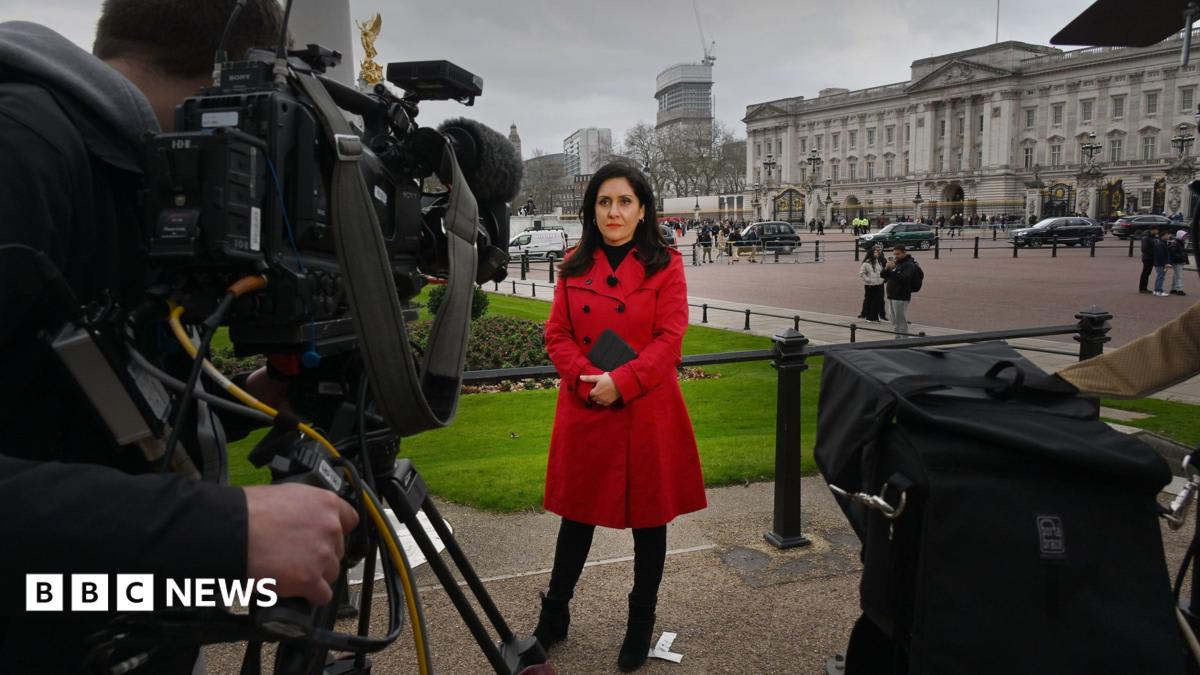
BBC News anchor Maryam Moshiri has publicly disclosed her diagnosis of polycythaemia vera, a rare and chronic blood cancer. She shared her journey to raise awareness and emphasize the importance of long-term management for the condition.
A Public Disclosure of Personal Health
BBC News presenter Maryam Moshiri has recently shared her personal medical journey, revealing that she has been living with a diagnosis of blood cancer for the past two years. As a prominent face of the corporation’s international news coverage, Moshiri’s decision to go public serves as a significant moment in the intersection of media visibility and health advocacy. By choosing to speak openly about her condition, she aims to demystify the realities of living with a chronic illness while maintaining a high-profile professional career.
Understanding Polycythaemia Vera
The specific condition Moshiri was diagnosed with in November 2024 is polycythaemia vera (PV). This is a rare form of blood cancer categorized as a myeloproliferative neoplasm. In patients with PV, the bone marrow produces an excess of red blood cells, which can lead to a thickening of the blood and an increased risk of complications such as blood clots. While the diagnosis is life-altering, medical advancements have categorized PV as a condition that, while incurable, is highly manageable through consistent clinical oversight and therapeutic intervention.
The Reality of Long-Term Management
Moshiri has been candid about the nature of her treatment, noting that she will require ongoing medical attention for the remainder of her life. This aspect of the diagnosis highlights the distinction between acute illnesses and chronic, manageable cancers. Her ability to 'get a handle' on the condition after two years underscores the critical role of patient education and the necessity of working closely with hematologists to regulate blood counts and mitigate symptoms effectively.
The Power of Advocacy in Media
By utilizing her platform as a news anchor, Moshiri is contributing to a broader cultural conversation regarding cancer awareness. Public figures sharing their health struggles often serve to reduce the stigma associated with chronic conditions and provide a sense of solidarity for others navigating similar medical paths. Her stated goal—to raise awareness—is a powerful reminder that even those in positions of authority and high visibility are subject to the same health challenges as the general public.
Future Trends in Chronic Care
As medical science continues to evolve, the management of conditions like polycythaemia vera is becoming increasingly refined. The focus is shifting toward improving the quality of life for patients who are living with cancer as a chronic condition rather than a terminal one. Moshiri’s transparency provides a real-world look at how individuals can balance professional demands with the requirements of long-term treatment, setting a precedent for how workplaces and the public might better support those living with persistent health challenges.
Conclusion
Maryam Moshiri’s announcement is a testament to resilience and the importance of health literacy. While the diagnosis of blood cancer is inherently serious, her story emphasizes that with proper diagnosis and dedicated long-term care, individuals can continue to lead active and meaningful lives. Her decision to share her experience not only informs the public about the nature of polycythaemia vera but also highlights the vital importance of early detection and sustained medical engagement.