Farmed salmon may not be as nutritious as it once was, new research suggests
Source Entity
Georgina Gustin, Inside Climate News
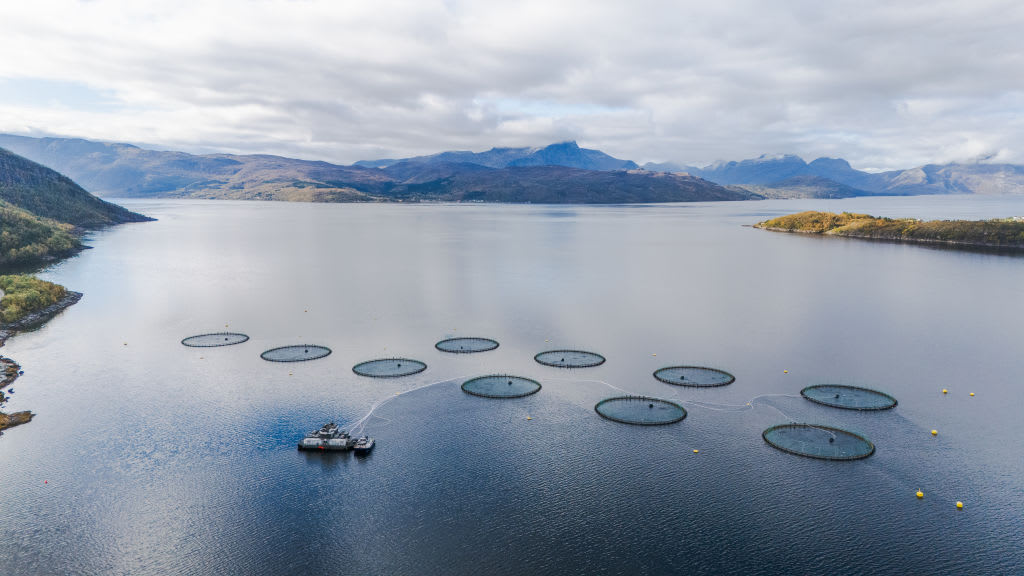
New research reveals that farmed salmon contains significantly lower levels of heart-healthy Omega-3 fatty acids than previously thought. This shift, driven by changes in fish diets to meet global demand, threatens the validity of long-standing dietary recommendations.
The Nutritional Decline of Farmed Salmon
For decades, public health organizations like the USDA and the American Heart Association have championed the consumption of fatty fish, particularly salmon, as a cornerstone of a heart-healthy diet. These recommendations are rooted in the high concentration of Omega-3 fatty acids found in wild-caught varieties. However, as global demand has skyrocketed, nearly 70 percent of consumed salmon is now raised in aquaculture pens and cages. Recent research led by USDA scientists indicates that this industrial shift has fundamentally altered the nutritional profile of the fish, specifically leading to a considerable decline in essential fatty acids.
The Impact of Aquaculture Diets
The primary driver of this nutritional shift is the change in the salmon's diet. To sustain the massive production levels required to meet global demand, aquaculture operations have adjusted what they feed their fish. This dietary change, while allowing for higher production volumes, has had significant downstream impacts on both the environment and the climate. More importantly, it has directly resulted in salmon that no longer meet the historical nutritional benchmarks upon which modern dietary guidelines were constructed.
Challenging Dietary Guidelines
The USDA’s current Dietary Guidelines for Americans explicitly recommend that individuals consume at least 8 ounces of fish per week, specifically highlighting salmon for its Omega-3 content. The findings from this latest research suggest that these long-standing recommendations may be outdated. If the primary source of the population's Omega-3 intake—farmed salmon—no longer provides the expected nutritional density, health professionals may need to recalibrate their advice to ensure the public receives the intended cardiovascular benefits.
Broader Environmental and Climate Implications
Beyond the immediate health concerns, the industrialization of salmon farming creates a complex feedback loop. As the nutritional quality of the fish drops, the environmental cost of maintaining these large-scale production facilities remains high. The reliance on pens and cages to meet consumer demand places immense pressure on local ecosystems. The research underscores that the pursuit of quantity over quality in global food production systems can lead to unintended consequences that affect both the nutritional security of consumers and the health of the planet.
Future Trends and Consumer Awareness
As this research gains traction, it is likely to influence how health organizations approach nutritional counseling. Consumers may see a push for more transparency regarding the sourcing and nutritional content of farmed seafood. Furthermore, this data serves as a catalyst for potential innovation in aquaculture feed formulations, as producers look to restore the nutritional integrity of their stock to remain competitive in a market that increasingly values health-conscious consumption. This situation serves as a critical reminder that dietary advice must remain dynamic, evolving alongside the realities of global food supply chains.