Trump tells Fed to slash rates or he'll end trade with countries with U.S. surpluses
Source Entity
US Top News and Analysis
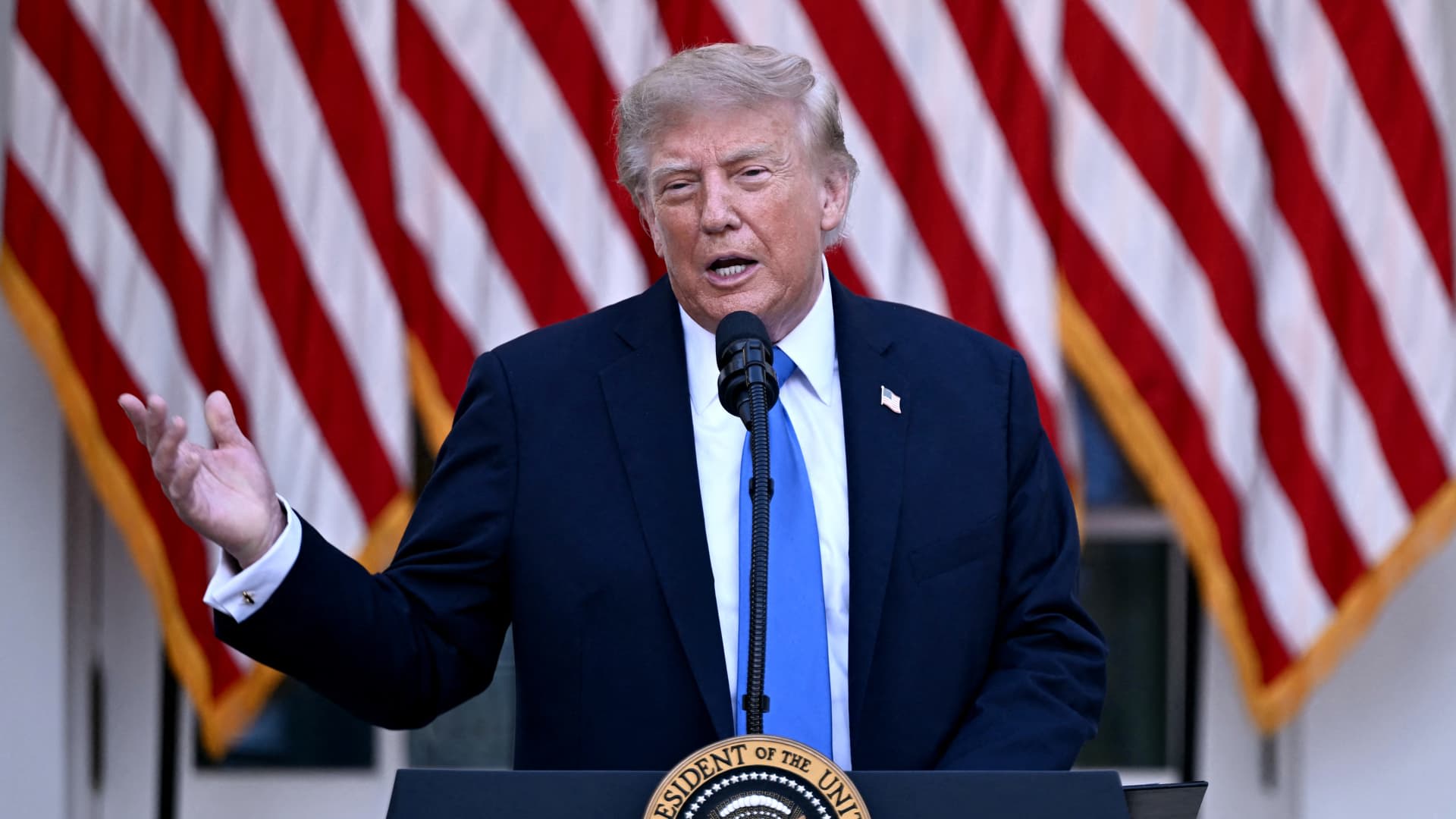
President Donald Trump has issued a stark ultimatum to the Federal Reserve, demanding immediate interest rate cuts. He threatened to halt trade with nations holding trade surpluses with the U.S. if the central bank fails to comply.
The Intersection of Monetary Policy and Trade Strategy
President Donald Trump has issued a high-stakes ultimatum to the Federal Reserve, explicitly linking the nation's independent monetary policy to his broader protectionist trade agenda. In a series of statements posted on Truth Social, the President demanded that the central bank, led by Chairman Kevin Warsh, slash interest rates despite a robust labor market. The core of this demand centers on the assertion that high domestic interest rates place the U.S. at a competitive disadvantage globally, a stance the President believes must be rectified to ensure continued economic dominance.
The Logic of the Ultimatum
The President’s strategy hinges on the premise that the United States possesses sufficient leverage to dictate the terms of global commerce. By threatening to sever trade ties with any nation currently maintaining a trade surplus with the U.S., Trump is attempting to force a recalibration of global financial dynamics. His rhetoric suggests that if the Federal Reserve does not facilitate lower interest rates—which he argues are necessary to reflect the country's current economic strength—he will unilaterally restrict market access for countries that he views as benefiting unfairly from current trade imbalances.
Economic Implications of Federal Reserve Independence
Historically, the Federal Reserve has maintained independence from the executive branch to prevent political cycles from dictating monetary policy. The President's direct public pressure on Chairman Warsh and the board of governors represents a significant shift in the traditional relationship between the White House and the central bank. While the President cites the recent August jobs report—showing 162,000 new positions added—as evidence that the economy is strong enough to handle rate cuts, central bank officials typically view such growth as a signal that the economy may need cooling rather than stimulus.
Global Trade and Financial Elite Status
Trump’s commentary suggests he believes that the status of other nations as 'financially elite' is contingent upon the United States allowing them to maintain large trade surpluses. By threatening to revoke this allowance, he aims to force a structural change in how international trade is conducted. This approach challenges the existing global consensus on trade, potentially leading to significant volatility in currency markets and international supply chains should the administration follow through on its threat to halt trade with surplus-holding partners.
Future Trends and Market Volatility
Looking ahead, this standoff creates a period of profound uncertainty for global investors and policymakers. If the Federal Reserve resists the political pressure, the threat of trade sanctions could lead to retaliatory measures from major trading partners, potentially triggering a broader economic slowdown. Conversely, if the Federal Reserve yields to the demand for lower rates, it could risk inflationary pressures that the central bank has spent years attempting to stabilize. The coming weeks will be critical in determining whether this rhetoric leads to a fundamental shift in U.S. economic policy or remains a tactical maneuver in the ongoing negotiation over national interest rates.