Jobs and Iran add to Trump’s midterm headaches. Why that’s good for bonds and bad for energy stocks.
Source Entity
Brett Arends
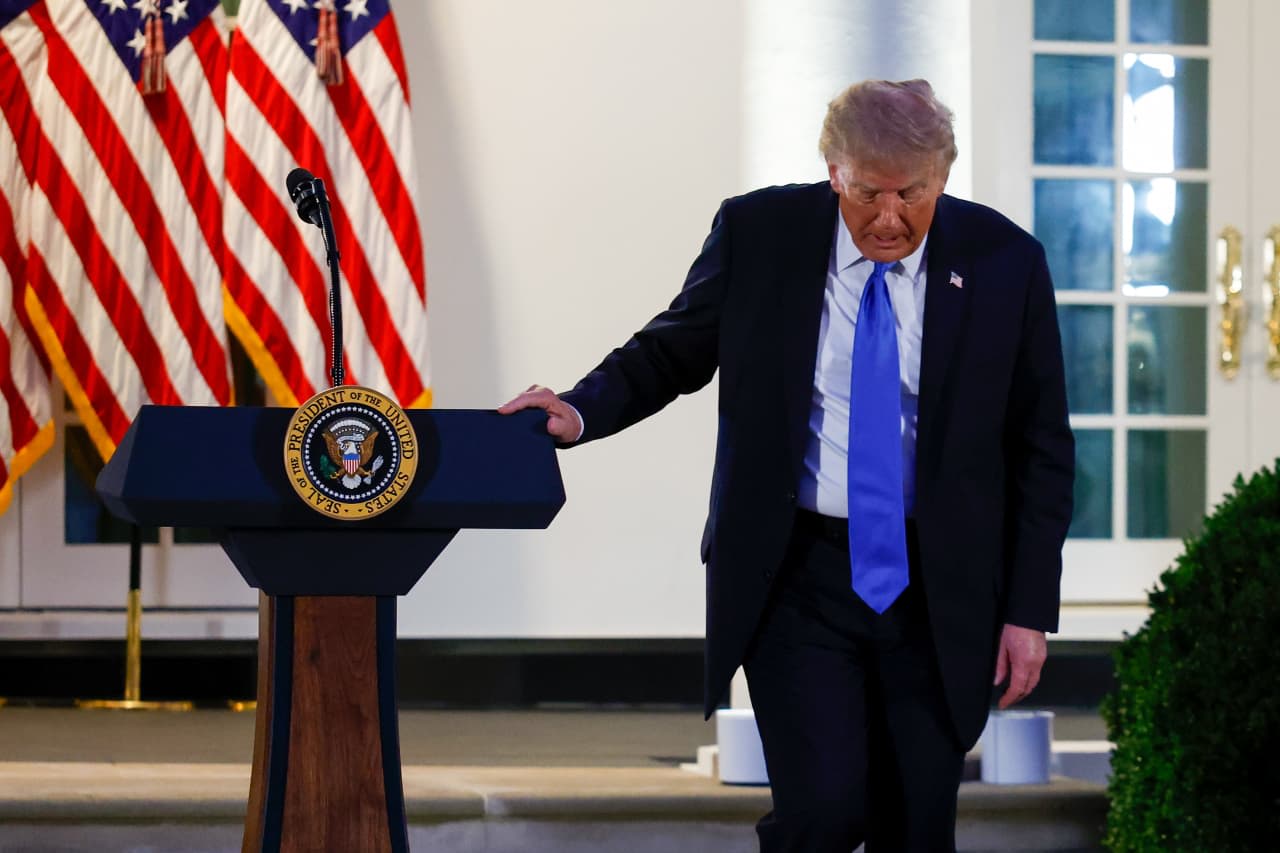
President Trump faces significant political pressure as rising gasoline prices and mortgage rates complicate the midterm outlook. These economic factors are driving shifts in market sentiment, favoring bonds while negatively impacting energy sector stocks.
The Economic Pressures of the Midterm Cycle
The intersection of geopolitical instability and domestic economic performance has created a challenging environment for the Trump administration as midterm elections approach. With the political mandate heavily reliant on economic growth and affordability, the administration finds itself in a precarious position. The urgency for lower gasoline prices and reduced mortgage rates is not merely an economic preference; it is a strategic necessity to maintain voter confidence and stabilize the broader political narrative.
The Impact of Energy Costs on Political Stability
Gasoline prices serve as a primary psychological indicator for the American voter, often correlating directly with approval ratings. When energy costs spike, the immediate impact is felt at the pump, forcing households to reallocate disposable income. This shift in spending power often leads to frustration with incumbent leadership. The administration’s focus on lowering these costs reflects an understanding that energy independence and price stability are critical components of a successful domestic policy agenda.
Mortgage Rates and the Housing Market
Equally critical is the state of the housing market, which is highly sensitive to fluctuations in mortgage rates. High rates effectively cool the market, preventing potential homeowners from entering the sector and slowing down construction-related economic activity. By prioritizing a reduction in these rates, the administration aims to stimulate the real estate sector, which serves as a bellwether for overall economic health. The pressure to achieve these results quickly stems from the narrowing window of the midterm cycle.
Market Dynamics: The Flight to Bonds
Investors are reacting to this uncertainty by shifting capital toward more stable assets. The current preference for bonds suggests that market participants are hedging against potential volatility. As the administration struggles to manage inflation and interest rate pressures, the bond market is viewed as a safer harbor compared to more speculative or growth-oriented sectors that rely on low-cost borrowing and consumer spending.
Challenges for the Energy Sector
Conversely, energy stocks are facing a period of stagnation or decline due to the political imperative of lowering consumer costs. When the government actively pushes for lower gasoline prices, it often signals a regulatory or diplomatic pivot that can squeeze the profit margins of energy corporations. This creates a inverse relationship: as the administration works to appease voters with cheaper fuel, energy equity valuations often suffer, creating a divergence in market performance.
Conclusion: Navigating the Political-Economic Nexus
The convergence of these factors illustrates the difficulty of managing a national economy during a high-stakes election season. The administration’s need for rapid economic adjustment underscores the volatility inherent in balancing consumer relief with market-driven energy interests. As the midterm elections draw closer, the ability of the executive branch to influence these specific economic levers will remain a central theme in the national discourse, dictating both investor behavior and political outcomes.
Verification Required?