Try Twinkle Khanna’s 5 minute DIY vegetable wash: ‘Baking soda isn’t just for cakes’
Source Entity
The Indian Express
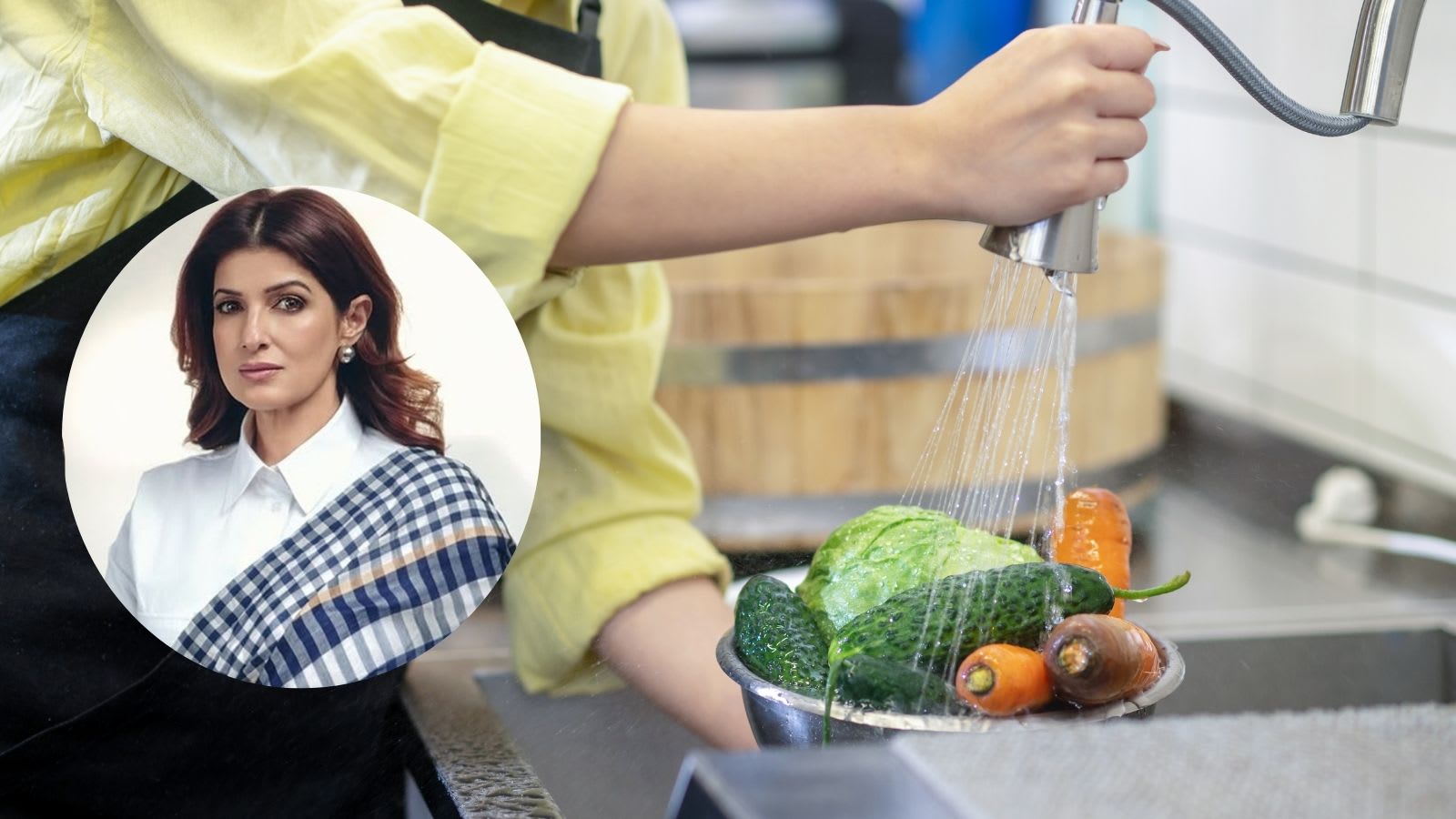
Twinkle Khanna has shared a simple DIY vegetable wash recipe using baking soda and vinegar to help remove pesticides and bacteria. This home-based method aims to reduce the risk of foodborne illnesses from market-bought produce.
Enhancing Food Safety at Home: The Twinkle Khanna Method
In a recent episode of Spacelift by Tweak India, author and content creator Twinkle Khanna addressed a common concern among modern households: the cleanliness and safety of fresh produce brought home from local markets. As consumers become increasingly aware of the potential for bacterial contamination and pesticide residue on fruits and vegetables, the search for accessible, non-toxic cleaning solutions has intensified. Khanna’s recommendation centers on a simple, DIY approach that utilizes common household staples to mitigate these risks.
The Science of the Solution
Khanna advocates for a mixture of baking soda, vinegar, and water, suggesting a soak time of 5 to 10 minutes followed by gentle scrubbing. From a chemical perspective, baking soda (sodium bicarbonate) is often cited in food safety discussions for its ability to help neutralize acidic pesticide residues that may cling to the surface of waxy vegetables like lauki (bottle gourd). When combined with the mild antimicrobial properties of vinegar, this soak serves as a practical, low-cost intervention for families looking to improve their kitchen hygiene.
Beyond the Surface: Why Washing Matters
Foodborne illnesses are a significant public health concern, often stemming from the transit and handling of produce before it reaches the consumer. The 'sabzi market' environment involves multiple touchpoints where cross-contamination can occur. By implementing a consistent washing routine, individuals can significantly reduce the bacterial load on their food. While this DIY method is not a substitute for industrial-grade sanitation, it provides a layer of defense against surface-level contaminants that might otherwise lead to common digestive issues or 'tummy aches.'
Practical Application and Best Practices
To effectively use this method, it is essential to follow the steps outlined by Khanna: prepare the solution, soak the produce, scrub gently to dislodge trapped debris, and ensure a thorough rinse to remove any lingering taste or residue. Drying the vegetables well after washing is also a crucial step, as moisture can encourage the growth of mold or bacteria if produce is stored immediately in a refrigerator.
Critical Considerations and Expert Advice
While home remedies like this are popular, it is important to maintain a balanced perspective. As noted in the provided disclaimer, these practices should not replace professional medical advice. Individuals with specific health sensitivities or those concerned about heavy chemical exposure should remain informed through official food safety guidelines. This DIY trend highlights a broader shift toward proactive health management, where consumers are taking responsibility for the safety of their food supply chain starting from their own kitchen sinks.