A fragile fitness system? Hamstring injuries put Team India, CoE under scanner
Source Entity
ARANI BASU
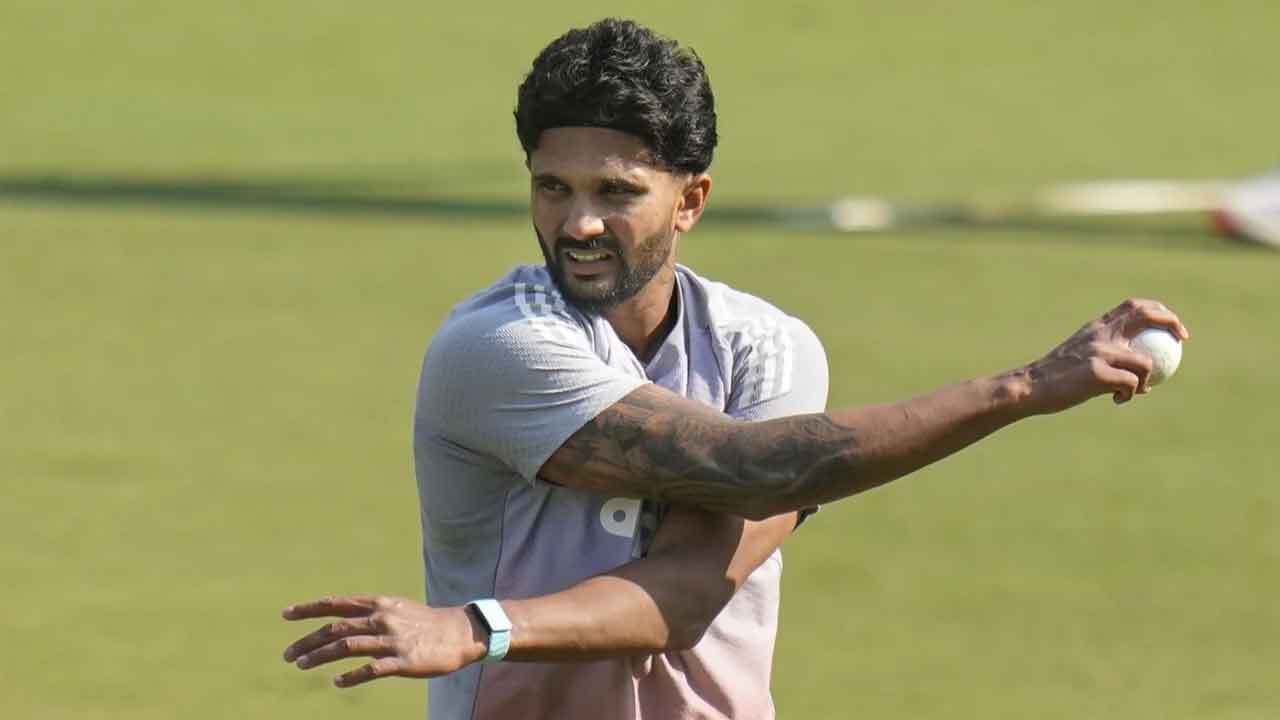
The BCCI is scrutinizing its fitness protocols following recurring hamstring injuries to key players like Harshit Rana and Nitish Kumar Reddy. The Centre of Excellence is now facing a surge in workload as it manages a packed calendar and player rehabilitation ahead of the Sri Lanka series.
The BCCI Fitness Crisis: A System Under Pressure
Recent reports concerning recurring hamstring injuries to rising talents Harshit Rana and Nitish Kumar Reddy have triggered significant alarm within the Board of Control for Cricket in India (BCCI). The board is currently questioning the efficacy of its fitness infrastructure, particularly as injuries threaten to derail the depth of the squad. The specific concern regarding Reddy—who was reportedly encouraged to push his bowling speed toward the 140kmph mark to mitigate for the inconsistency of Hardik Pandya—highlights a dangerous intersection between tactical team needs and individual player physical capacity.
The Legacy of Strategic Fitness Planning
During the tenure of former head coach Rahul Dravid, the BCCI established a rigorous framework involving the medical team and the Centre of Excellence (CoE). This system was designed to create year-long roadmaps for players, ensuring they reached peak physical condition specifically for marquee Test series and ICC tournaments. The current scrutiny suggests that this structured approach is being tested by the relentless demands of the modern international cricket calendar, where the pressure to replace high-profile, injury-prone players often results in premature or excessive workloads on emerging athletes.
Operational Strain at the Centre of Excellence
The BCCI Centre of Excellence is currently facing a logistical bottleneck as it prepares for a high-volume week. With nearly a dozen contracted and targeted players slated for fitness assessments and rehabilitation, the facility is operating at maximum capacity. This influx of players, all requiring individual attention ahead of the upcoming Sri Lanka Tests, underscores the precarious nature of maintaining a fit player pool in an era of non-stop cricket.
Balancing Performance and Longevity
The broader implication here is the ongoing tension between short-term performance goals and long-term player longevity. When the team management prioritizes immediate tactical gaps—such as finding a fast-bowling all-rounder to cover for Pandya—over the gradual development of a player’s body, the risk of injury increases exponentially. The hamstring issues plaguing the current cohort serve as a stark reminder that physiological limits cannot be bypassed for the sake of squad requirements.
Future Trends and Necessary Reforms
Looking ahead, the BCCI will likely need to re-evaluate its injury management protocols to prevent a systemic failure. The reliance on the CoE to handle an ever-increasing number of players suggests that the current model may need further decentralization or an increase in specialized support staff. As the international schedule shows no signs of slowing down, the ability to manage player fitness will remain the single most critical factor in India's success across all three formats of the game. The board's focus on these assessments ahead of the Sri Lanka tour is a vital step toward reclaiming control over player availability.