Chris Mason: Starmer ally takes swipe at Burnham's first big policy
Source Entity
BBC News
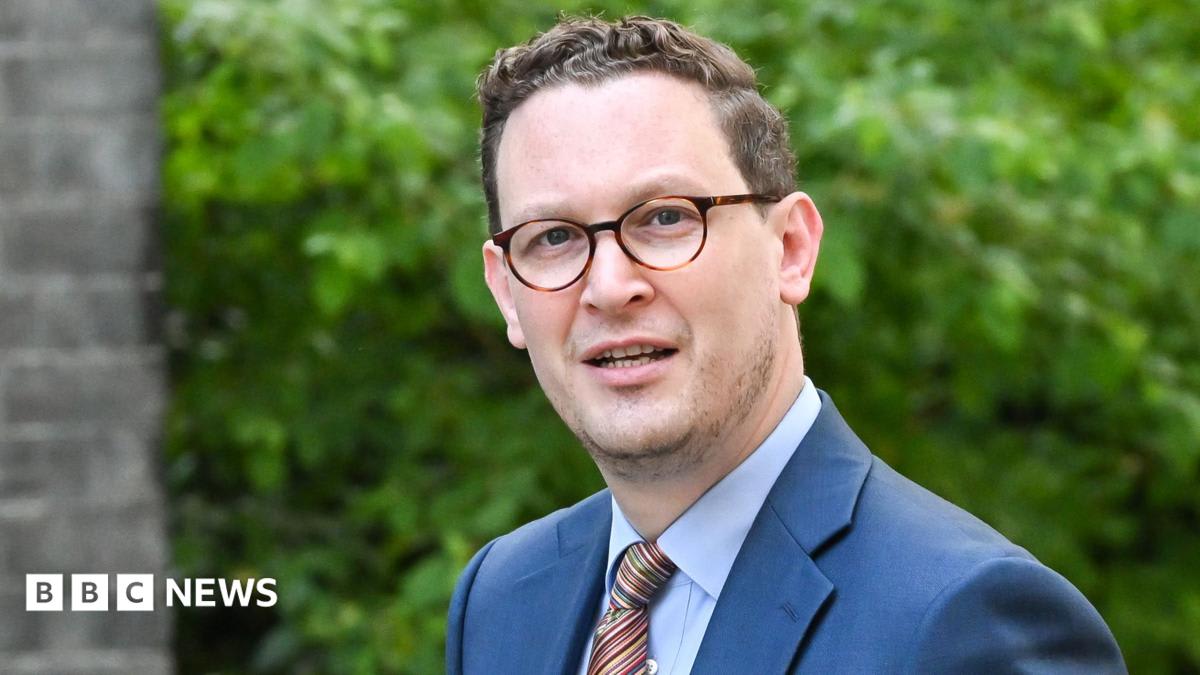
Darren Jones, former aide to Sir Keir Starmer, has publicly criticized Andy Burnham's proposed VAT cut on electricity bills. The move highlights emerging tensions within the political landscape regarding fiscal policy and funding.
The Friction of Fiscal Policy: Burnham vs. The Establishment
In the wake of recent political shifts, the immediate public discord between Andy Burnham and Darren Jones—a former key strategist for Sir Keir Starmer—signals a period of intense scrutiny regarding economic policy. Burnham’s rapid announcement to cut VAT on household electricity bills, effective October 1, was intended to provide immediate relief to citizens. However, the proposal has encountered significant resistance from within the party’s own inner circle, casting a spotlight on the challenges of balancing populist economic promises with fiscal responsibility.
The Criticism of 'Unfunded' Mandates
Darren Jones, who served as the Chief Secretary to the Prime Minister, wasted no time in challenging the viability of Burnham’s plan. By labeling the VAT reduction as 'unfunded,' Jones is invoking a classic critique of political maneuvering: the promise of tax relief without a clear articulation of how the resulting revenue shortfall will be addressed. This friction suggests that even as new leadership takes the stage, the shadow of previous administrative priorities—and the fiscal caution associated with them—remains a potent force in internal party dynamics.
The Timing of Political Dissent
It is noteworthy that this conflict erupted merely hours after Jones’s public signal of a temporary withdrawal from the political fray. His social media post on Monday night, which appeared to bid farewell to the pressures of Downing Street, was swiftly followed by his critique on Tuesday morning. This rapid transition from a perceived 'vow of silence' to active public disagreement underscores the high stakes of current policy debates and the difficulty for former high-ranking officials to remain detached from policy disputes.
Broader Implications for Governance
This exchange is not merely a personality clash; it reflects a deeper, ongoing struggle within the political establishment regarding the role of state intervention in cost-of-living crises. Burnham’s focus on energy costs addresses a primary concern for the electorate, but by doing so, he has positioned himself in direct opposition to the fiscal caution championed by Starmer’s recent administration. The tension here highlights how difficult it is for new policy initiatives to gain traction when they are perceived to deviate from established budgetary frameworks.
Future Trends and Political Realignment
Looking forward, this event suggests that the party landscape will likely be defined by a tug-of-war between those advocating for bold, direct economic intervention and those prioritizing structural fiscal stability. As Burnham continues his tenure, his ability to defend his policies against such high-profile internal detractors will be a key indicator of his influence. If he cannot reconcile these 'unfunded' proposals with the demands of the party’s fiscal hawks, he risks early isolation, which could impact the long-term viability of his policy agenda.