Jantar Mantar echo in Tamil Nadu: Rapper Arivu detained during protest, later invited by Vijay
Source Entity
Arun Janardhanan
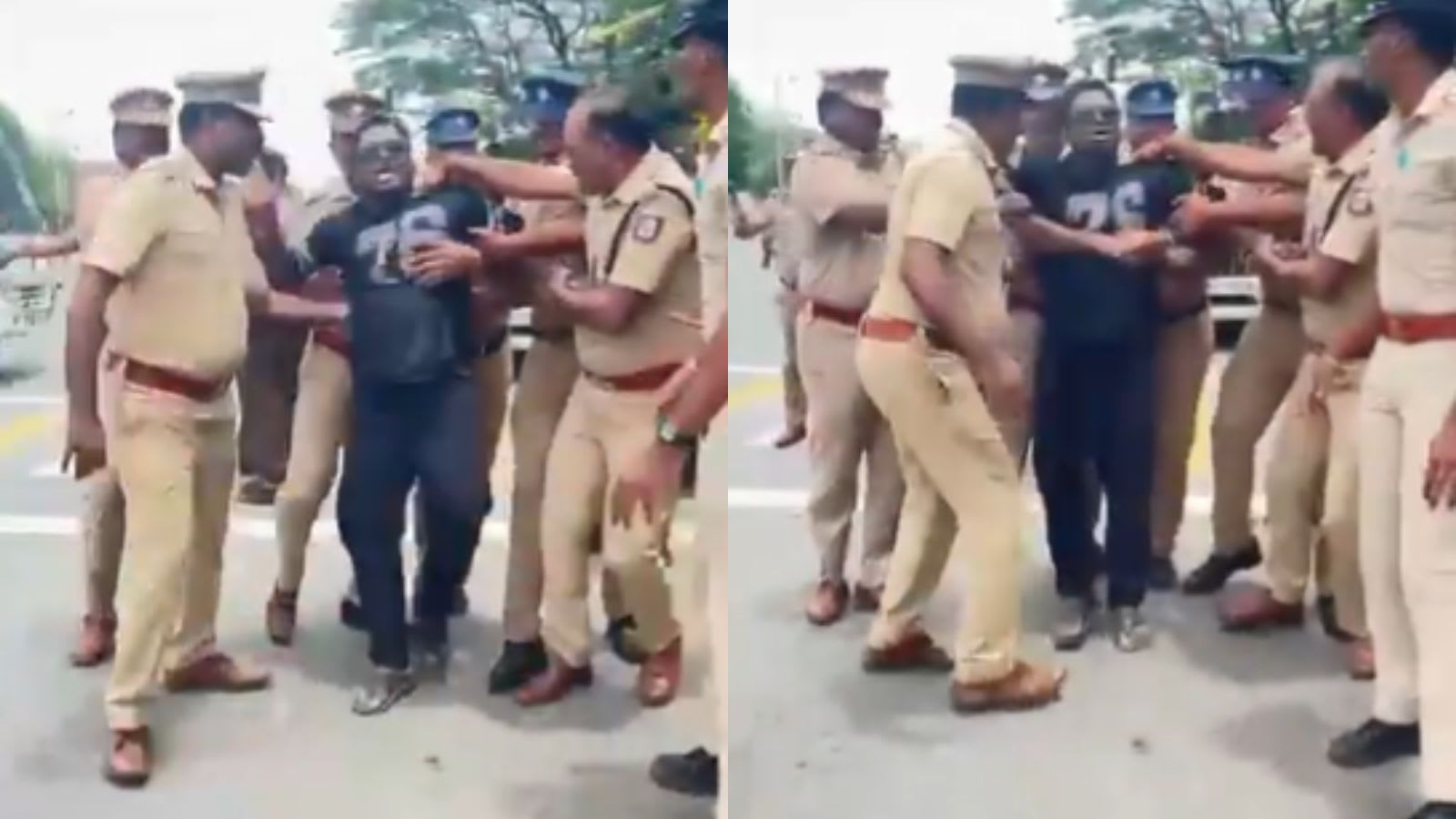
Tamil rapper Arivu was briefly detained in Chennai for protesting against the NEET examination. Following his release, Chief Minister C. Joseph Vijay invited the artist to his office to discuss the concerns raised.
The Intersection of Art and Activism in Tamil Nadu
The recent detention of popular Tamil rapper and activist Arivarasu Kalainesan, widely known as Arivu, outside the Tamil Nadu Secretariat has sparked significant discourse regarding the role of artists in political advocacy. Arivu, celebrated for blending traditional folk music with sharp social commentary, led a surprise protest on July 21, 2026, demanding the abolition of the National Eligibility-cum-Entrance Test (NEET). His detention by the Greater Chennai City Police highlights the ongoing tension between state security protocols in high-security zones and the fundamental right to public protest.
The NEET Controversy: A Persistent Flashpoint
The core of the protest stems from long-standing grievances regarding the NEET examination process. Arivu and his fellow demonstrators not only called for the scrapping of the exam but also voiced their strong opposition to the reported police crackdown on students who had previously marched from Jantar Mantar to the Parliament in New Delhi. This connection links regional concerns in Tamil Nadu to broader national anxieties regarding paper leaks and the perceived systemic failures within the current entrance examination framework.
High-Security Zones and Civil Liberties
By choosing the entrance of the Secretariat as the site for his protest, Arivu intentionally brought the issue to the doorstep of the state government. In high-security zones, the friction between administrative order and the expression of public dissent is often heightened. The police action underscores the state's rigid enforcement of public order, yet the subsequent release of the artist and the government's pivot toward dialogue suggests a complex approach to managing high-profile dissenters who hold significant cultural influence.
Chief Minister Vijay’s Diplomatic Engagement
Following his brief detention, Arivu was invited to the chamber of Tamil Nadu Chief Minister C. Joseph Vijay. This meeting serves as a critical turning point in the narrative, shifting the tone from one of confrontation to institutional engagement. By providing a platform for Arivu to voice his concerns directly to the leadership, the Chief Minister’s office has attempted to mitigate the political fallout resulting from the initial arrest, acknowledging the rapper's role as a voice for the youth and the marginalized.
Cultural Influence and Political Accountability
Artists like Arivu, known for hits such as 'Enjoy Enjaami', hold a unique position in the public consciousness, acting as a bridge between grassroots movements and mainstream political discourse. His ability to mobilize support for complex policy issues like NEET demonstrates the evolving power of independent artists in India’s political landscape. As the debate over NEET continues to polarize, the government's capacity to balance legal enforcement with public sentiment will remain a defining challenge of the current administration.
Future Trends in Activism
Looking forward, this event is likely to set a precedent for how the Tamil Nadu government handles celebrity-led protests. As digital platforms continue to amplify the voices of artists like Arivu, the government may find itself under increasing pressure to address policy grievances with greater transparency. The fusion of art and political agitation is clearly moving from the periphery to the center of public life, indicating that future policy decisions regarding education and social justice will be heavily scrutinized by both the public and their cultural icons.