AI minister role boosted but tech department axed in Burnham shake-up
Source Entity
BBC News
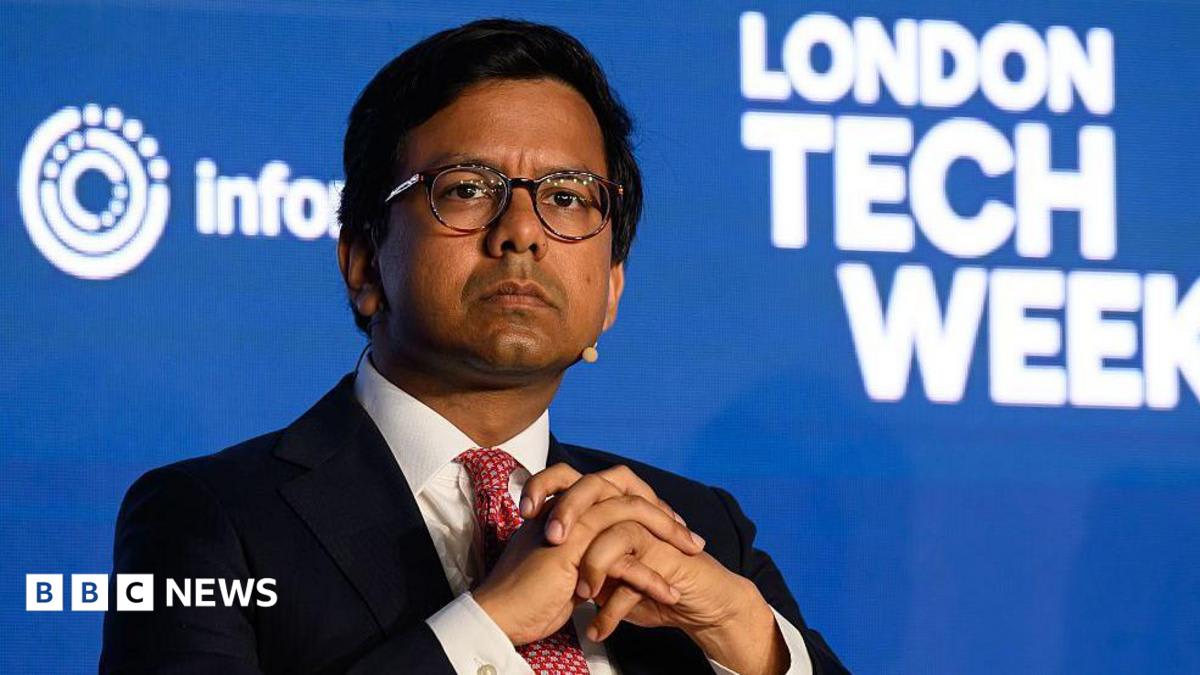
Prime Minister Andy Burnham has dissolved the Department for Science, Innovation and Technology (DSIT) while elevating AI Minister Kanishka Narayan to cabinet-level status. This restructuring marks a shift in how the government manages technological oversight following the dismissal of former tech secretary Liz Kendall.
The Strategic Reorganization of UK Technology Governance
The decision by Prime Minister Andy Burnham to dismantle the Department for Science, Innovation and Technology (DSIT) represents a fundamental pivot in the administrative architecture of the United Kingdom. Originally established by the Conservative Sunak administration in 2023, DSIT was designed to centralize the nation's digital and scientific ambitions under a singular, dedicated leadership. By dissolving this department, the new government is effectively decentralizing technological oversight, signaling a move toward integrating innovation goals directly into broader ministerial portfolios rather than siloing them within a specialized entity.
The Elevation of the AI Portfolio
Central to this restructuring is the promotion of Kanishka Narayan, the Minister for AI. By granting Narayan a seat at the cabinet table, Prime Minister Burnham is attempting to maintain high-level visibility for artificial intelligence policy even as the dedicated tech department is absorbed elsewhere. Narayan, who was appointed by Sir Keir Starmer and brings a diverse background in both government and corporate sectors, views this invitation as a clear indicator of the administration's commitment to prioritizing AI as a primary pillar of national policy.
Historical Context and Political Shifts
The abolition of the DSIT and the subsequent removal of Liz Kendall from her role as technology secretary illustrate the volatile nature of cabinet appointments during this transition period. The Conservative government's creation of DSIT was intended to provide a focused response to the rapid global evolution of AI and digital infrastructure. Its dissolution suggests that the current administration favors a more diffused approach to tech policy, potentially aiming to weave digital literacy and innovation into the mandates of other existing departments rather than maintaining a standalone tech-focused ministry.
The Role of Kanishka Narayan
Kanishka Narayan’s trajectory—from his upbringing in Cardiff and his professional background to his election as the MP for the Vale of Glamorgan in 2024—positions him as a key figure in this new era of governance. As the minister tasked with navigating the complexities of AI, his direct access to the Prime Minister’s cabinet is intended to compensate for the loss of a dedicated secretary. This arrangement suggests that the government views AI not as a isolated technical field, but as a cross-cutting issue that requires high-level executive coordination.
Future Implications for Tech Policy
The fragmentation of DSIT responsibilities across various government departments creates both opportunities and risks. While this strategy may foster better integration of technology into traditional sectors like health, education, or infrastructure, it also risks diluting the accountability that a single department could provide. Moving forward, the effectiveness of this new model will depend on whether the cabinet can maintain cohesive policy standards for AI and emerging technologies without a singular, dedicated champion in the form of a technology secretary. The success of Narayan’s tenure will likely serve as a barometer for how effectively this decentralized model can drive innovation in an increasingly competitive global landscape.