‘Deeply flawed approach’: Bar Council’s NALSAR enrolment U-turn draws criticism from ABVP
Source Entity
India Latest News: Top National Headlines Today & Breaking News | The Hindu
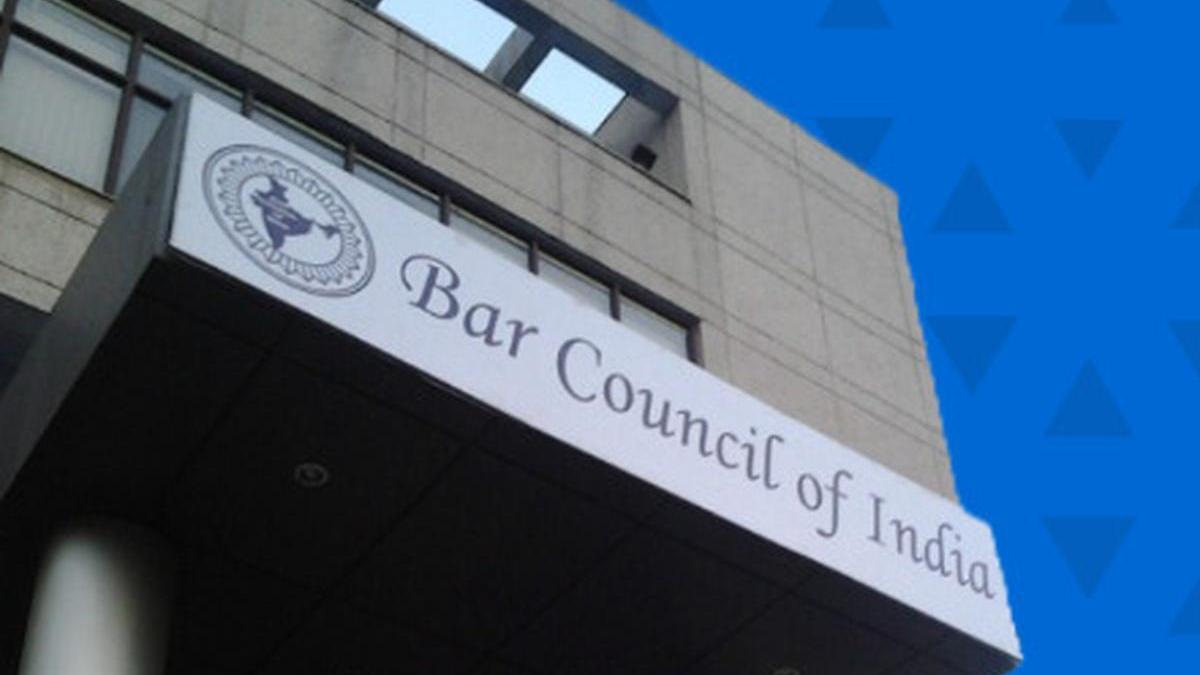
The Bar Council of India briefly suspended the enrollment of NALSAR 2026 law graduates following protests against CJI Surya Kant's convocation invite. The BCI has since withdrawn the freeze but continues to demand a report identifying the organizers of the campaign.
The NALSAR-BCI Standoff: An Analysis of Institutional Friction
The Incident and Regulatory Response
The legal fraternity in India recently witnessed an unprecedented clash between academic freedom and professional regulation. The Bar Council of India (BCI), the apex statutory body governing legal education and professional conduct, issued a directive to state bar councils to halt the enrollment of 2026 graduates from the National Academy of Legal Studies and Research (NALSAR), Hyderabad. This move was triggered by an organized campaign by students opposing the invitation extended to Chief Justice of India (CJI) Surya Kant for the university's convocation.
The Role of the BCI in Legal Education
Under the Advocates Act, 1961, the BCI holds significant power over the standards of legal education and the entry of practitioners into the legal profession. By threatening to withhold the right to practice from an entire graduating batch, the BCI exercised its oversight authority in a manner that critics argue borders on collective punishment. The demand for a detailed report identifying the specific individuals behind the anti-CJI campaign highlights the BCI’s intent to enforce professional discipline even before students officially join the bar.
Academic Freedom vs. Professional Conduct
The core of this dispute lies in the tension between the autonomy of premier law schools and the expectations of the regulatory body. While students argue that dissent and protest are fundamental democratic rights protected within academic spaces, the BCI appears to view the public opposition to the head of the judiciary as a breach of the decorum expected from prospective officers of the court. This incident underscores the precarious position of law students who are transitionally positioned between being academic learners and future legal professionals.
A Rapid Policy Reversal
In a dramatic turn of events, the BCI withdrew its order freezing the enrollment of the 2026 batch just hours after its issuance. This reversal suggests that while the BCI remains firm on its demand for accountability—specifically the requirement for a factual report identifying the organizers of the campaign—the body recognized the legal and logistical implications of penalizing an entire cohort for the actions of a few. The withdrawal of the freeze likely aims to prevent widespread litigation from affected students who would have been unfairly barred from their professional careers.
Broader Implications for Legal Institutions
This episode serves as a cautionary tale for both academic institutions and regulatory bodies. The incident has sparked a necessary conversation regarding the limits of administrative power in the legal profession. As the BCI continues its inquiry into the campaign, the focus remains on how the institution will balance its role as a regulator with the necessity of maintaining a healthy, critical discourse within law schools. The outcome of the requested report will likely set a precedent for how future student protests regarding judicial invitees are managed in national law universities.
Multiple Citing Sources
Verification Required?