Kerala launches My Police Station project to enhance citizen-friendly services
Source Entity
India Latest News: Top National Headlines Today & Breaking News | The Hindu
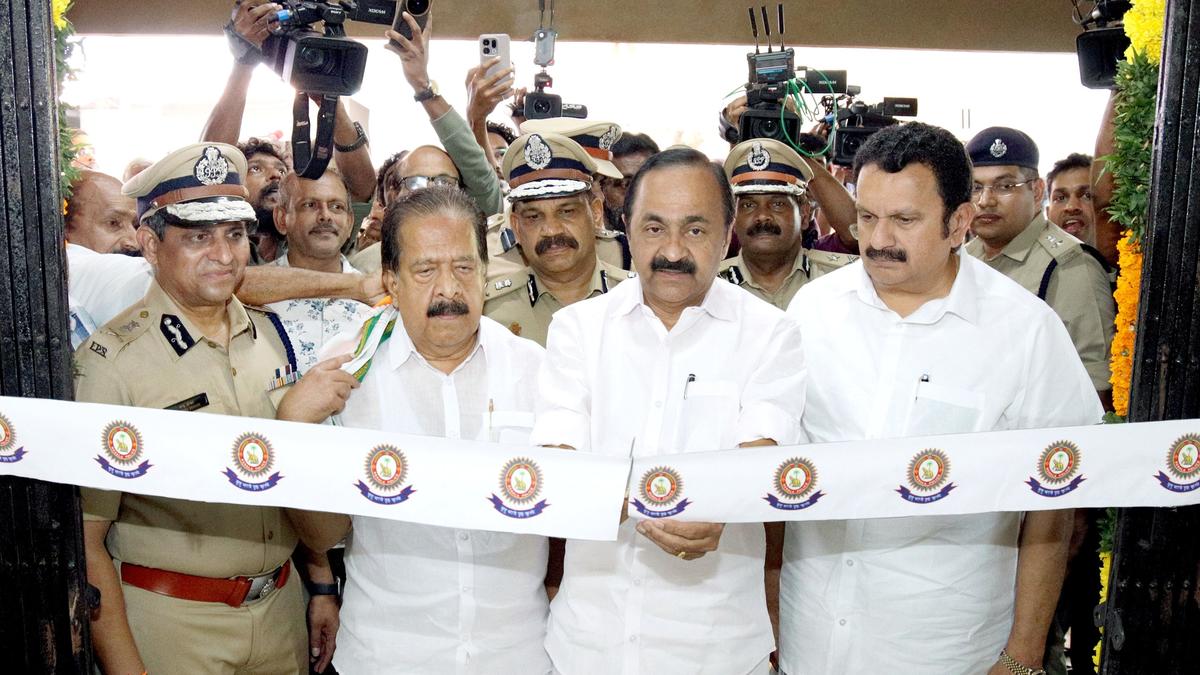
The Kerala government has reverted to a Sub-Inspector-led SHO model for most police stations while launching the 'My Police Station' project to improve citizen-police relations. This dual-track reform aims to balance operational efficiency with a more accessible, supportive approach to public service.
Kerala Overhauls Policing Structure and Public Engagement
The Kerala government has initiated a significant restructuring of its law enforcement framework, reverting the majority of its police stations to a Sub-Inspector-led Station House Officer (SHO) model. This decision effectively dismantles a policy shift that began in 2017, which had previously elevated Inspector-level officers to head stations across the state. Under the new directive, the Inspector-led model will be reserved exclusively for 63 strategically critical stations out of the state's 484 law-and-order units.
Origins of the Structural Shift
To understand this transition, one must look back to the 2017-2018 period, when the government implemented the Inspector-led SHO system across 196 and later an additional 268 stations. The recent reversal follows a rigorous review conducted by a committee led by the Additional Director General of Police (ADGP). This administrative pivot suggests that the state has identified operational efficiencies or organizational benefits in returning to the traditional Sub-Inspector hierarchy for standard police stations, likely to streamline command structures at the local level.
The 'My Police Station' Initiative
Parallel to these structural changes, Chief Minister V.D. Satheesan has launched the 'My Police Station' project, inaugurated at the Peroorkada police station in Thiruvananthapuram. This initiative reflects a broader administrative goal to reshape the public perception of the force. By branding police stations as 'citizen-friendly service centres,' the government is attempting to bridge the trust gap between the state machinery and the public, aiming to position the police as a source of support rather than just an instrument of state authority.
Balancing Deterrence and Support
Despite the move toward a more approachable police force, the Chief Minister emphasized that the 'My Police Station' initiative does not compromise the force's duty to act as a deterrent against criminal activity. The dual mandate—maintaining a firm stance on law and order while fostering a 'friend-like' relationship with the community—is a delicate balance. This is particularly vital in the context of modern security challenges, where the nature of crime is evolving rapidly, necessitating both community cooperation and high-level investigative expertise.
Addressing Modern Security Challenges
The timing of these reforms is critical, as the Chief Minister noted that the state is grappling with the complexities of digital-age crime, specifically noting the rise of cybercrime and narcotics-related offenses. By optimizing the SHO hierarchy and simultaneously launching the 'My Police Station' project, the administration is likely attempting to free up senior officers to focus on complex investigations while ensuring that local stations remain accessible for everyday grievances and community policing.
Future Implications for Governance
Looking forward, the success of these reforms will likely be measured by the efficacy of the 63 'strategically important' stations in handling high-level threats, contrasted with the improved public satisfaction scores at the grassroots level. If the 'My Police Station' project succeeds in its goal of making citizens feel that the station 'belongs to them,' it could serve as a model for community-based policing in other Indian states, marking a shift toward more human-centric law enforcement.
Multiple Citing Sources
Verification Required?