2 Nagas killed in suspected Kuki militant attack on Manipur village
Source Entity
The Indian Express
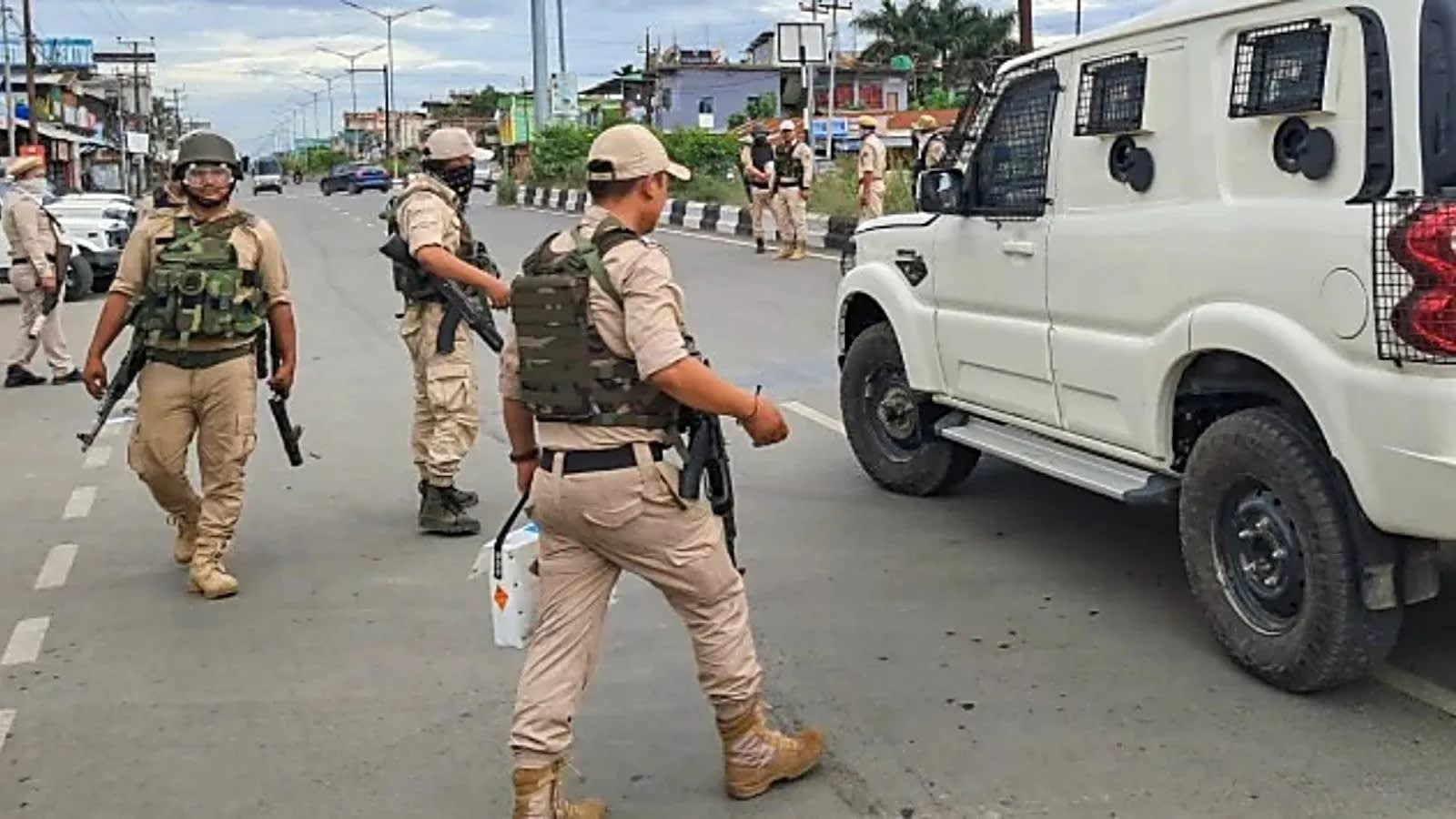
Two Naga villagers were killed and two others injured following an attack by suspected Kuki militants in Manipur's Kangpokpi district. The Liangmai Naga Council has since declared an Emergency Total Shutdown in response to the violence.
Escalation of Violence in Manipur: The Langka Village Tragedy
On the morning of August 14, 2026, the fragile security landscape of Manipur suffered a significant blow when suspected Kuki militants launched a targeted attack on Langka (Niulong) village. Located approximately 65 km from Imphal along the Imphal–Tamenglong Road in the Kangpokpi district, the village became the site of a brutal confrontation around 7:30 am. As villagers were preparing to head to their paddy fields, they were reportedly ambushed by armed assailants, resulting in the deaths of two individuals, identified as Wiriliangbou Chawang, 35, and Kawidinang Abonmai, 54, while two others sustained injuries.
The Involvement of Armed Factions
The Working Committee of Tangkhul Naga Long (WC-TNL) has explicitly alleged that the attack involved approximately 50 gunmen. Notably, they have implicated the Kuki National Front (KNF) and the Kuki Revolutionary Army (KRA). These groups are significant because they are among the 25 Kuki-Zomi armed factions that entered into Suspension of Operations (SoO) agreements with the Indian government in 2008. The accusation that signatories to a peace-process agreement are involved in civilian killings raises profound questions regarding the efficacy of these long-standing security pacts and the current state of oversight in the region.
Community Response and Civil Disobedience
In the immediate aftermath of the attack, the Liangmai Naga Council (LNC) declared an 'Emergency Total Shutdown' across all Liangmai Naga-inhabited areas of Manipur. This drastic measure acts as both a mourning period and a form of protest against the perceived failure of the state to protect its citizens. The directive mandates the closure of all shops and educational institutions, though it includes exemptions for essential services such as medical and fire departments. This shutdown highlights the deep-seated distrust between local communities and the state’s security apparatus.
Failures in Intelligence and Prevention
A critical component of the LNC's reaction is the allegation that this tragedy was entirely preventable. The community claims that they had issued repeated security warnings to the authorities regarding the potential for such an attack. The fact that these warnings went unheeded suggests a severe breakdown in communication between local tribal bodies and regional security planners. This incident highlights the vulnerability of remote villages situated in ethnically diverse or contested districts like Kangpokpi.
Broader Implications for Manipur
The attack at Langka village marks a concerning return of violence to a state that has struggled with prolonged periods of civil unrest. The involvement of multiple ethnic identities—Naga and Kuki—in a Kuki-majority district underscores the complex, overlapping territorial and communal tensions that continue to define Manipur's internal conflict. As violence spills over from broader regional disputes into specific, isolated villages, the prospects for a stable, lasting peace remain precarious.
Future Outlook and Security Challenges
Looking forward, the incident necessitates a rigorous review of the Suspension of Operations agreements. If groups bound by these agreements are active in offensive operations, the central government faces mounting pressure to re-evaluate its strategy. Without a robust mechanism to hold armed factions accountable for breaches of these pacts, the cycle of violence is likely to continue. The immediate future will likely see heightened security deployments, yet the path toward reconciliation requires addressing the fundamental grievances that triggered these security failures in the first place.
Multiple Citing Sources