Train students to use artificial intelligence tools responsibly, CJI tells law schools
Source Entity
The Indian Express
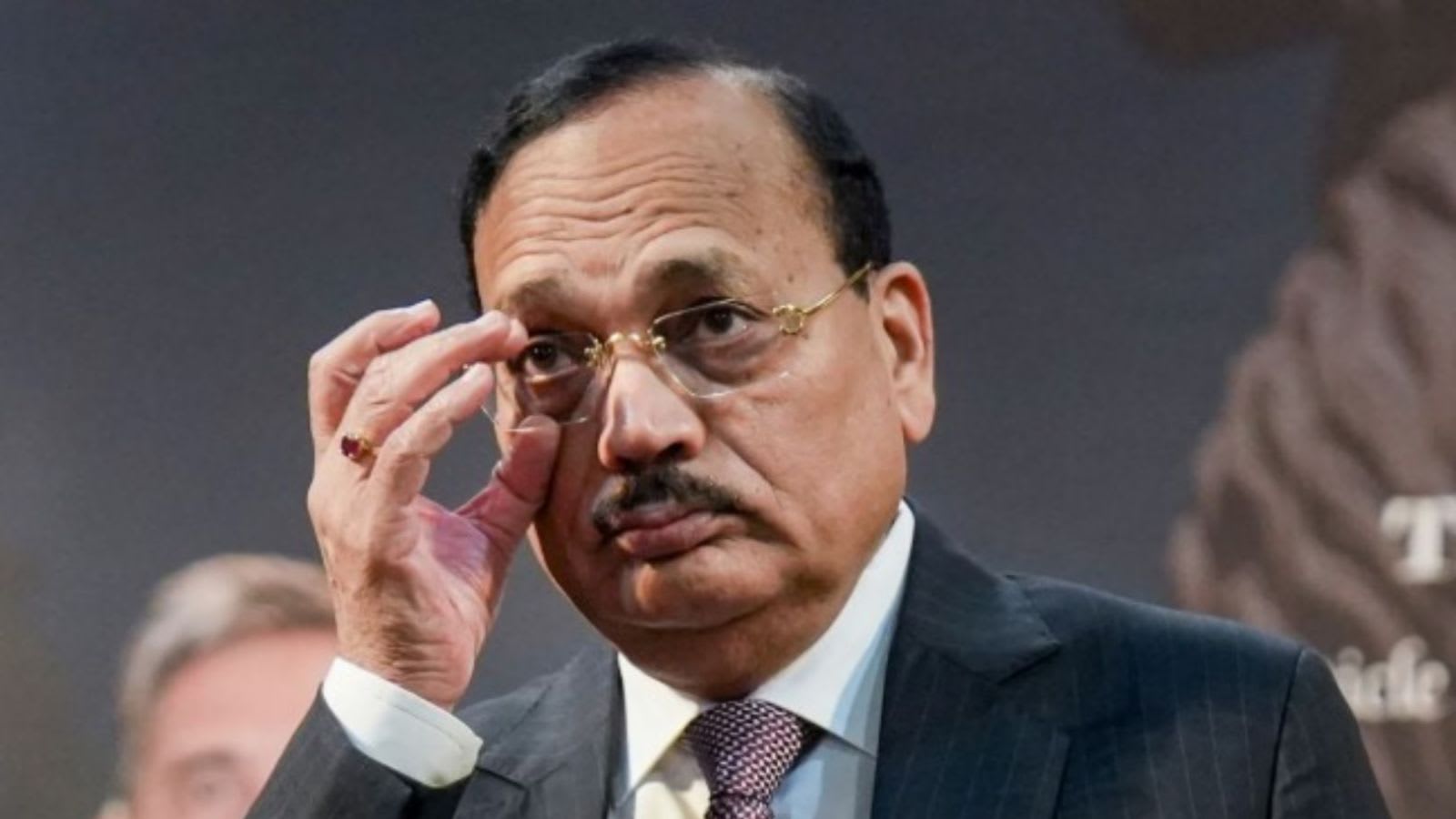
The Supreme Court has questioned the Bar Council of India's authority after its chairman attempted to unilaterally debar NALSAR students for protesting an invitation to the Chief Justice. The move faced immediate internal and academic pushback, leading to a swift reversal of the directive.
The BCI Overreach: A Conflict Between Authority and Fundamental Rights
The Anatomy of an Unilateral Directive
The recent controversy involving the Bar Council of India (BCI) centers on a directive issued by its Chairman, Manan Kumar Mishra, which sought to debar the 2026 graduating batch of NALSAR University of Law, Hyderabad. The directive, issued on August 13, was a response to students expressing reservations regarding the invitation extended to the Chief Justice of India for their upcoming convocation. This action effectively attempted to punish students for exercising their right to dissent, creating a significant legal and ethical crisis within the legal education framework of India.
Judicial Scrutiny and the Question of Power
In response to the ensuing uproar, the Supreme Court of India intervened, demanding an explanation from the BCI regarding the process it followed before passing such resolutions. CJI Surya Kant underscored the gravity of the situation by affirming that students possess a fundamental right to freedom of speech and expression, including the right to protest peacefully. The apex court's inquiry into the BCI’s internal decision-making process highlights a critical constitutional concern: whether a regulatory body possesses the unfettered power to penalize students for academic or political dissent without due process.
Internal Dissent and Institutional Resistance
The BCI’s directive faced immediate internal fragmentation, as at least four of its 19 office bearers publicly pushed back against the Chairman's unilateral action. This internal revolt, combined with the refusal of the NALSAR Vice Chancellor to implement what he termed a potentially “unconstitutional” order, underscores the lack of consensus within the BCI leadership. The rapid "walk back" of the directive within hours of its issuance suggests a profound failure in the Council's administrative governance and a disregard for the established norms of institutional consultation.
The Broader Implications for Legal Education
This event serves as a cautionary tale regarding the limits of professional regulatory bodies. By attempting to stifle the voices of future legal professionals, the BCI risked undermining the very principles of advocacy it is tasked to uphold. Legal education is traditionally viewed as a training ground for critical thinking and the questioning of authority; when a governing body seeks to curtail these traits, it signals a drift toward authoritarian management that contradicts the democratic ethos of the Indian legal system.
Conclusion: The Need for Accountability
Ultimately, the Supreme Court's intervention serves as a necessary check on the BCI's overreach. The incident highlights the necessity for transparency and adherence to democratic processes within professional councils. As the legal community reflects on this episode, the central question remains: how can the BCI effectively regulate the profession while respecting the fundamental rights of the students who will eventually populate the bar? The resolution of this matter will likely set a significant precedent for the relationship between regulatory bodies and the academic institutions they oversee.
Multiple Citing Sources