Vandita Mishra writes: The day after I-Day, snapshots of freedom and unfreedom
Source Entity
Vandita Mishra
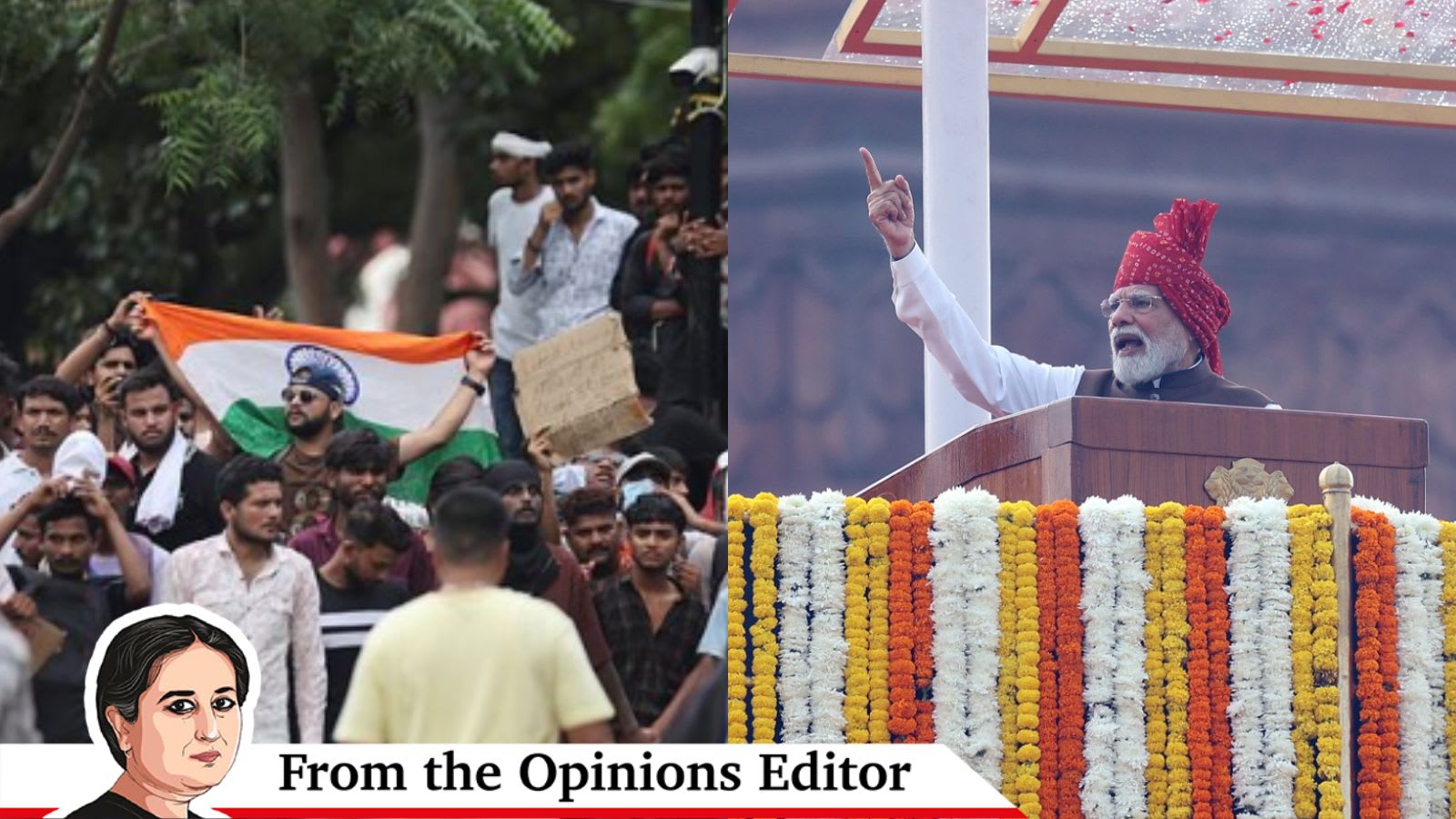
Independence Day reflections highlight the evolving nature of student activism and its impact on the political landscape. Recent protests demonstrate how collective student voices can challenge established power structures and influence government policy.
The Evolving Landscape of Freedom and Activism
The recent discourse surrounding Independence Day has shifted from traditional rhetoric to a critical examination of student-led movements and their role in a functioning republic. By reflecting on the cancellation of school speeches and the broader political climate, we gain insight into how the concept of freedom is not merely a static historical celebration but a dynamic, lived experience shaped by the youth.
The Pedagogical Weight of Independence Day
Independence Day speeches in schools have long served as a ritual of national identity. However, when these events are cancelled due to safety concerns or administrative decisions, it forces a re-evaluation of the educational environment. As noted in the context, these moments—whether held or cancelled—serve as a lesson in themselves. The "osmotic" process by which children absorb values from teachers and family remains the foundation upon which a republic is molded, suggesting that the absence of a speech is as impactful as its delivery.
Student Movements as a Catalyst for Change
The current political environment is marked by a significant shift: the ability of student-led movements to force powerful governments to reconsider their stance. The recent "Jantar Mantar moment" serves as a primary example of how collective student pressure can break existing political narratives. This movement challenged the prevailing assumption that the ruling party’s dominance was absolute and unchecked, proving that democratic spaces for dissent remain viable.
Challenging the Narrative of Unchecked Power
For a considerable duration, political commentary had centered on the perceived decline of the Opposition and the totalizing influence of the BJP, bolstered by its control over central agencies and vast resources. The recent student protests have disrupted this "stranglehold" on the national narrative. By compelling a Union minister to resign, these students demonstrated that institutional power is not immune to public accountability, fundamentally altering the perceived trajectory of national politics.
Historical and Future Implications
Looking forward, the interaction between students and the state will likely remain a critical barometer for the health of the republic. The transition from a "heady freeze-frame" of protest to the actual work of governance and policy change is the next challenge. As these movements move beyond the initial moment of victory, the true test will be whether they can institutionalize their gains or if they remain isolated instances of resistance in an otherwise rigid system.
Conclusion
Ultimately, the meaning of freedom in today’s context is defined by the tension between state power and individual or collective agency. Whether through the quiet influence of education or the loud, public demands of protestors at Jantar Mantar, the republic is constantly being redefined. The events surrounding this Independence Day remind us that freedom is not a completed project, but an ongoing process of negotiation and assertion.