Bear invades elderly couple's home, empties fridge in Northern Japan
Source Entity
TOI WORLD DESK
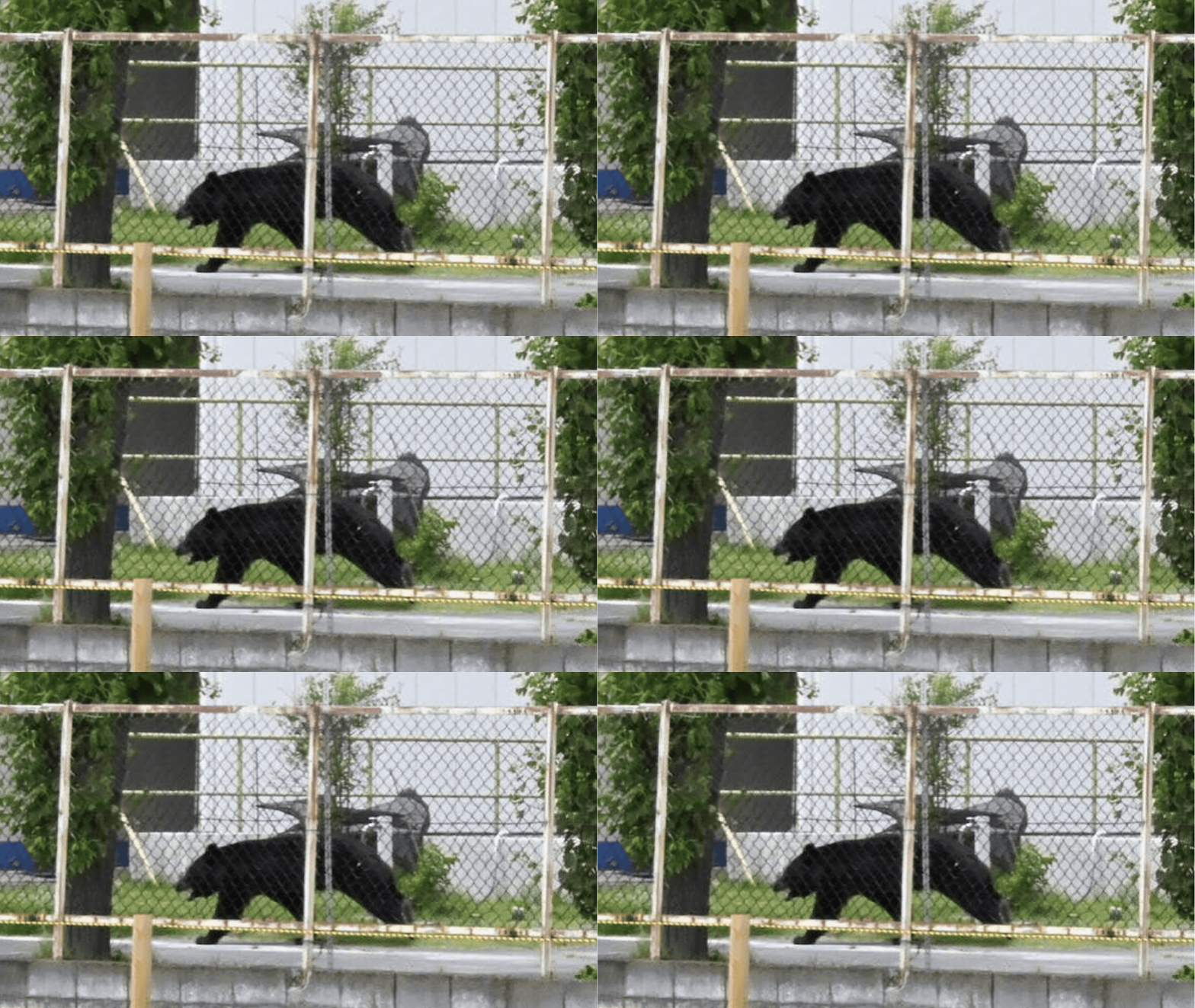
A bear broke into the home of an elderly couple in northern Japan, rummaging through the residence and emptying the contents of their refrigerator.
Wildlife Encroachment: Bear Intrusion in Northern Japan
In a startling display of nature's encroachment upon human settlements, a bear recently broke into the residence of an elderly couple in northern Japan. The incident, which has drawn attention to the precarious boundary between residential areas and the wilderness, saw the animal penetrate the home's defenses to access food sources, specifically targeting the couple's refrigerator. This event highlights the increasing frequency of human-wildlife conflicts in the region, where the sanctuary of the home is no longer a guaranteed barrier against opportunistic predators.
The Mechanics of the Intrusion
The specifics of the breach reveal a bold level of opportunism. The bear managed to enter the home—likely through an open door or window—and proceeded to rummage through the interior. The primary target was the kitchen, where the bear successfully emptied the refrigerator. For an elderly couple, such an invasion is not only a material loss but a significant psychological trauma, as the perceived safety of their private living space was violently disrupted by a powerful wild animal.
Regional Context and Habitat Shift
Northern Japan, particularly regions such as Hokkaido and the Tohoku area, is characterized by dense forests and significant populations of Asian black bears and brown bears. Historically, these animals have remained largely within the mountain ranges; however, a shift in behavior has been observed in recent years. As natural food sources, such as acorns and nuts, fluctuate due to climate instability and deforestation, bears are forced to venture closer to human habitations in search of sustenance, leading to more frequent "urban" incursions.
Vulnerability of Japan's Aging Rural Population
This particular event underscores a growing socio-environmental crisis in rural Japan. With an aging population living in increasingly depopulated villages (often referred to as genkai shuraku), many elderly residents are more vulnerable to wildlife encounters. They may lack the physical strength to secure their homes against powerful animals or the financial resources to install modern deterrents, such as high-voltage electric fencing, making them primary targets for bears seeking easy meals.
The Danger of Food Conditioning
From an ecological perspective, the bear's attraction to a refrigerator suggests a dangerous "food conditioning" cycle. Once a bear discovers that human dwellings provide high-calorie, easily accessible food, it is likely to return and may even lead other bears to the area. This creates a hazardous feedback loop where the animal loses its natural fear of humans, significantly increasing the likelihood of aggressive encounters that could result in serious injury or death for the residents.
Future Trends and Mitigation Strategies
Moving forward, local authorities in northern Japan are expected to emphasize stricter waste management and the installation of bear-proof containers to reduce attractants. There is a growing need for integrated community strategies to protect the elderly, including enhanced monitoring and the deployment of rapid-response wildlife teams. As climate change continues to alter wildlife habitats, the coexistence of humans and bears will require more sophisticated technological interventions and a renewed focus on rural infrastructure security.
Summary
While the image of a bear emptying a fridge may seem like a localized curiosity, it is a symptom of a deeper ecological imbalance. The incident involving the elderly couple serves as a stark reminder of the risks associated with shrinking wilderness boundaries and the specific vulnerabilities of Japan's aging rural population in the face of opportunistic wildlife.