Air quality plummets in 20 states as smoke from Canadian wildfires spreads across the US
Source Entity
Anna Betts in New York
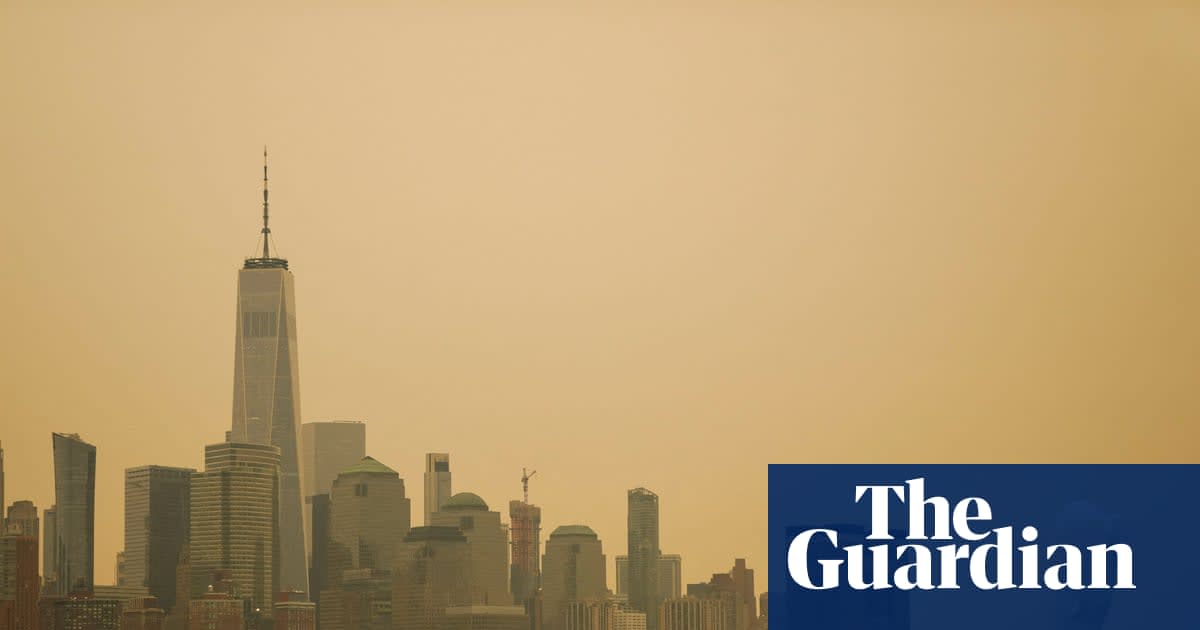
Smoke from over 180 active wildfires in northern Ontario, Canada, combined with fires in Minnesota, has triggered air quality alerts across more than 20 US states, affecting millions from the Midwest to New York.
Transboundary Air Crisis: Canadian and US Wildfires Blanket North America
Across North America, a severe environmental crisis has unfolded as massive wildfires in south-central Canada and the United States create a hazardous atmospheric corridor of smoke. The convergence of over 180 active wildfires in northern Ontario and additional blazes within Minnesota has resulted in a plummet of air quality across more than 20 US states. This event highlights the volatility of current wildfire seasons and the ease with which localized ecological disasters can evolve into international public health emergencies, stretching from the Midwest to the Atlantic coast.
The Scale of the Ontario and Minnesota Blazes
The sheer volume of active fires in northern Ontario—exceeding 180 individual sites—has created a concentrated source of particulate matter that is far too vast for local wind patterns to disperse. When combined with the simultaneous wildfires burning in Minnesota's Boundary Waters Forest, the region has essentially become a smoke generator of continental proportions. The intensity of these fires is evidenced by the impact on Toronto, where air quality briefly plummeted to among the worst in the world. This indicates that the smoke is not merely a thin veil but a dense concentration of pollutants that can overwhelm even the most robust urban air filtration systems.
Atmospheric Transport and Regional Impact
The movement of this smoke plume follows a dangerous trajectory, blanketing the skies from Minnesota through to New York. This geographical spread demonstrates the role of high-altitude wind currents in transporting wildfire smoke thousands of miles from the point of origin. For millions of Americans, this has manifested as a thick, oppressive haze that significantly increases the Air Quality Index (AQI) to unhealthy levels. The prompt for authorities to urge citizens to stay indoors underscores the danger of fine particulate matter (PM2.5), which can penetrate deep into the lungs and enter the bloodstream, posing an immediate risk to vulnerable populations.
Public Health Implications and Urban Vulnerability
The impact on major metropolitan areas, particularly in the Northeast, creates a logistical and health challenge. When air quality reaches the levels seen in Toronto and subsequently in New York, it disrupts daily commerce, transportation, and public health infrastructure. The necessity of air quality alerts across 20 states indicates a systemic failure of the natural environment to buffer these events. This situation forces a shift in urban behavior, where the "outdoors" becomes a hazard, necessitating a reliance on indoor air purification and the suspension of outdoor physical activities for millions of residents.
Broader Ecological and Climate Context
This event is not an isolated incident but part of a broader trend of intensifying wildfire seasons. The ability of fires in northern Ontario to impact the air quality of the US East Coast suggests a synergy between drought conditions and forest fuel loads that are becoming more common. Historically, wildfire smoke was a localized nuisance; however, the current scale suggests that "smoke seasons" are becoming as predictable and hazardous as traditional winter or summer seasons. The cross-border nature of this event emphasizes that environmental management in Canada directly impacts the public health of the United States.
Future Outlook and Predictive Trends
Looking forward, it is likely that these transboundary smoke events will increase in frequency and severity. As temperatures rise and forest management struggles to keep pace with the scale of fuel accumulation, the "Ontario-to-New York" smoke pipeline may become a recurring seasonal phenomenon. This will likely drive increased investment in air filtration technology for residential and commercial buildings across the Midwest and Northeast. Furthermore, it will necessitate a more integrated, binational approach to wildfire monitoring and early warning systems to better prepare millions of citizens for sudden drops in air quality.
Conclusion
The current air quality crisis is a stark reminder of the interconnectedness of the North American ecosystem. With over 180 fires in Ontario and active blazes in Minnesota, the resulting smoke has turned the sky into a health hazard for 20 states. This event underscores the urgent need for enhanced environmental resilience and a coordinated international response to the escalating threat of mega-fires.