Could Super El Niño make food more expensive worldwide? Global supply shock explained
Source Entity
Latest News: Today's Latest News Headlines from India & World | Hindustan Times | Hindustan Times
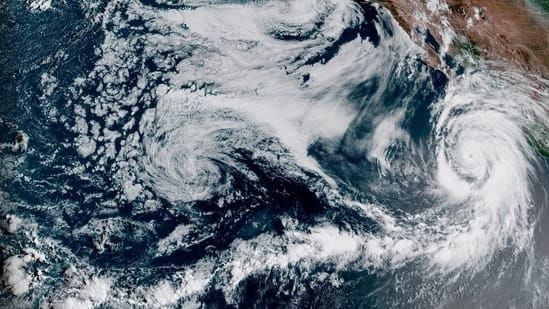
A developing Super El Niño event is projected to disrupt global food supplies and drive up food prices worldwide, with potential economic impacts lasting until 2028.
The Looming Threat of a Super El Niño on Global Food Security
The global agricultural landscape is facing a significant threat as a "Super El Niño" event begins to develop. This climatic phenomenon, characterized by the abnormal warming of surface waters in the eastern tropical Pacific Ocean, has the potential to trigger a massive supply shock in the global food market. Unlike standard El Niño cycles, a "Super" event represents an extreme deviation in temperature, which historically correlates with severe weather disruptions across multiple continents. The primary concern is that these disruptions will not be fleeting, but could strain food availability and inflate prices through 2028.
Mechanics of the Supply Shock
To understand why a Super El Niño leads to more expensive food, one must look at the resulting meteorological shifts. El Niño typically brings torrential rains and flooding to the southern United States and South America, while causing severe droughts in Southeast Asia, Australia, and parts of Africa. Since these regions are the "breadbaskets" for critical staples—such as rice, palm oil, sugar, and coffee—a simultaneous failure of crops in these diverse zones creates a systemic supply shortage. When the global inventory of these essential commodities drops, market prices naturally spike, creating a ripple effect that hits consumers from local markets in Asia to supermarkets in Europe.
Economic Implications and Inflationary Pressure
From an economic perspective, this event represents a classic "supply-side shock." When production drops due to uncontrollable climatic factors, the cost of raw agricultural materials increases. This inflation is rarely limited to the farm gate; it cascades through the entire value chain, affecting food processing, logistics, and retail. For developed nations, this may manifest as higher grocery bills. However, for developing nations and import-dependent economies, the implications are far more dire, potentially leading to acute food insecurity, social unrest, and a heightened reliance on international food aid.
Historical Context of Climatic Disruptions
History provides a sobering blueprint for the current situation. Past Super El Niño events, such as those in 1997-1998 and 2015-2016, resulted in significant agricultural losses and volatility in commodity markets. During these periods, the world saw sharp increases in the price of grains and oils, which often took years to stabilize. The current projection that effects could last until 2028 suggests a prolonged period of instability, possibly because current global systems are already stressed by existing geopolitical tensions and the overarching effects of long-term climate change, making the recovery window much longer than in previous decades.
The Long-Term Outlook: Why Until 2028?
The extended timeline of impact—stretching to 2028—is likely due to the compounding nature of agricultural recovery. A Super El Niño does not just destroy a single harvest; it can degrade soil quality through extreme flooding or deplete groundwater reserves through prolonged drought. Farmers may require several growing seasons to restore soil health and rebuild seed stocks. Furthermore, the economic shock of increased prices often leads to a cycle of debt for small-scale farmers, reducing their capacity to invest in the next planting season, thereby extending the supply deficit well beyond the end of the weather event itself.
Mitigation and Future Trends
In response to this threat, there is an urgent need for adaptive agricultural strategies. This includes the adoption of drought-resistant crop varieties, the implementation of precision irrigation to conserve water, and the strengthening of global food reserves to buffer against price volatility. Moving forward, the frequency and intensity of these "Super" events may increase, necessitating a fundamental shift in how the world manages food security. Diversifying supply chains and reducing reliance on a few key geographical hubs for staple crops will be essential to preventing future climatic events from triggering global economic crises.
Summary
In conclusion, the developing Super El Niño is more than a weather event; it is a systemic risk to the global economy. By disrupting the production of key staples and inducing a prolonged supply shock, it threatens to keep food prices elevated until 2028. Addressing this requires a combination of immediate humanitarian readiness and long-term agricultural innovation to ensure that the world's most vulnerable populations are protected from the volatility of a warming planet.
Verification Required?