Lake Travis water level: Rainfall on Pedernales cause high alert as Wirtz and Starcke dams open floodgates; videos
Source Entity
Latest News: Today's Latest News Headlines from India & World | Hindustan Times | Hindustan Times
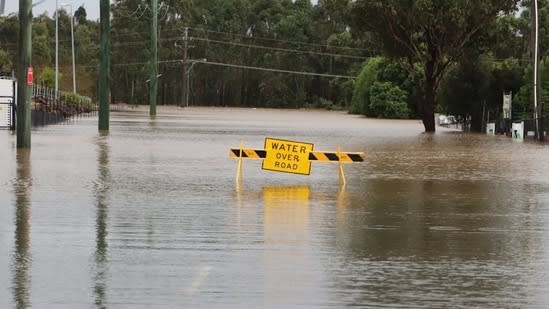
Central Texas is facing a significant flood risk as heavy rainfall causes the Pedernales and Colorado rivers to swell. To manage the surge, floodgates at the Wirtz and Starcke dams have been opened, with Lake Travis expected to see a rise of several feet.
Emergency Flood Management in Central Texas: The Surge of Lake Travis
Central Texas is currently navigating a precarious hydrological situation as intense rainfall has triggered a high alert across the region. The primary concern centers on the swelling of the Pedernales and Colorado rivers, which are critical arteries of the regional watershed. As water volumes surge, authorities have been forced to implement emergency measures to prevent catastrophic flooding in downstream communities, marking a critical moment in the region's seasonal weather management.
The Role of Wirtz and Starcke Dams
To mitigate the risk of uncontrolled flooding, the floodgates at the Wirtz and Starcke dams have been opened. These structures serve as primary regulators for the flow of water moving toward Lake Travis. By opening the floodgates, engineers can control the rate at which water enters the reservoir and flows downstream, preventing the dams from being overtopped—a scenario that could lead to structural failure and devastating flash floods. This tactical release is a standard but high-stakes procedure designed to balance the immediate pressure of rainfall against the capacity of the riverbeds to carry the excess volume.
Impact on Lake Travis and Regional Hydrology
Lake Travis, acting as one of the largest reservoirs in the area, is expected to rise by several feet as a direct result of these releases and the natural runoff from the Pedernales and Colorado rivers. While a rising lake level can be beneficial during periods of drought, a rapid increase during a heavy rain event poses significant risks. The rapid rise can lead to the inundation of low-lying shoreline properties and increase the velocity of the water moving through the Lower Colorado River Basin, necessitating strict vigilance from emergency management agencies and local residents.
Historical Context: The Volatility of 'Flash Flood Alley'
This event underscores the inherent volatility of Central Texas, a region often referred to as part of 'Flash Flood Alley.' Historically, the area is prone to extreme weather swings, moving rapidly from severe drought to torrential flooding. The reliance on a complex system of dams and reservoirs like Lake Travis is a direct response to this historical instability. Past events have shown that when the Pedernales river basin receives concentrated rainfall, the resulting surge can overwhelm local infrastructure if not managed with precision through the Wirtz and Starcke systems.
Broader Implications for Infrastructure and Safety
The current situation highlights the critical intersection of urban development and natural water management. As the population in Central Texas grows, more infrastructure is built in areas that are susceptible to these hydrological surges. The opening of floodgates is not merely a technical necessity but a public safety imperative. The coordination between the Lower Colorado River Authority (LCRA) and local emergency services is vital to ensure that downstream evacuations are handled efficiently and that the surge does not lead to loss of life or significant property damage.
Future Trends and Climate Resilience
Looking forward, the frequency and intensity of these high-alert events are likely to increase due to shifting global weather patterns, which often result in more concentrated 'rain bombs' rather than steady precipitation. This trend suggests that the region will need to invest further in smart-dam technology and enhanced early-warning systems. The ability to predict the exact volume of runoff from the Pedernales river will be key to optimizing the timing of floodgate openings, thereby minimizing the impact on both the environment and human settlements.
Conclusion
The current flood risk in Central Texas is a stark reminder of the power of the Pedernales and Colorado river systems. Through the strategic operation of the Wirtz and Starcke dams, authorities are working to stabilize a volatile situation. While Lake Travis will see a significant rise in water levels, the controlled release of water remains the most effective tool in preventing a larger regional disaster, emphasizing the ongoing need for robust water management infrastructure in the face of extreme weather.
Verification Required?