58 beavers turned Mount St Helens' wasteland into a thriving wetland
Source Entity
TOI WORLD DESK
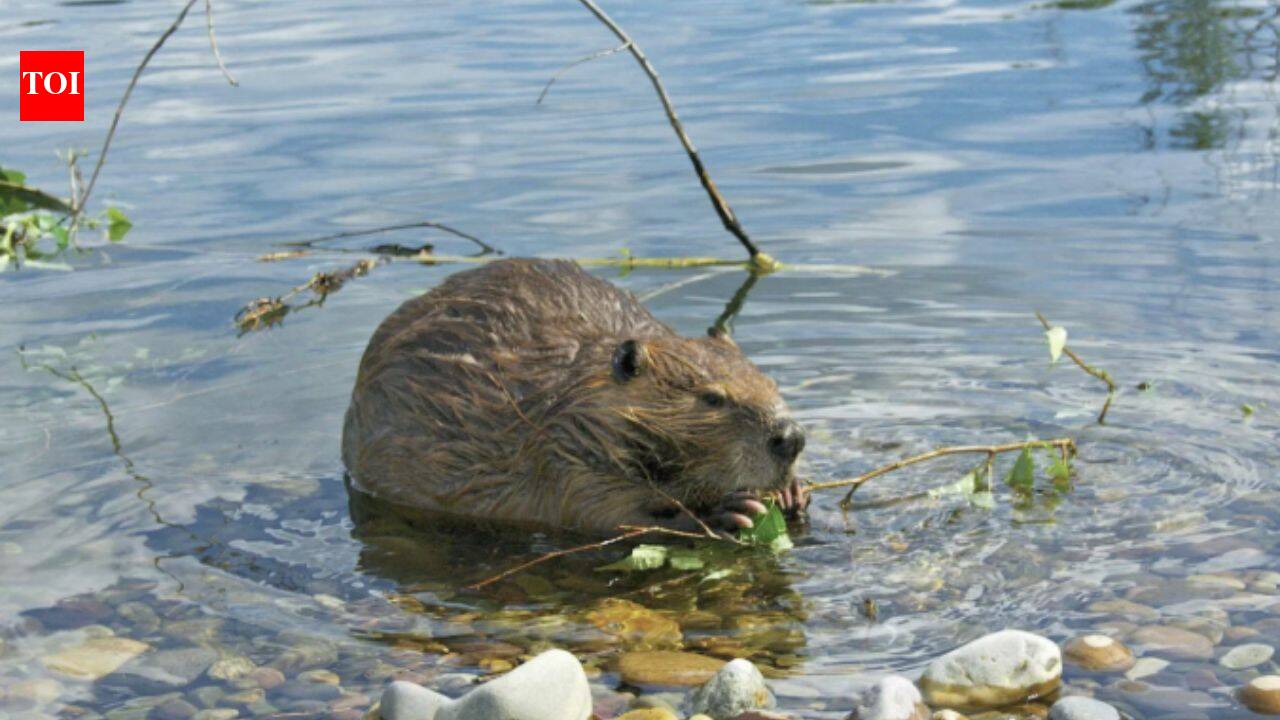
Following the 1980 Mount St. Helens eruption, 58 relocated beavers have transformed a barren, sediment-choked river valley into a thriving wetland. This natural restoration effort has successfully reclaimed land that was previously buried by volcanic ash.
The Beaver-Led Restoration of Mount St. Helens
More than four decades have passed since the catastrophic 1980 eruption of Mount St. Helens, an event that fundamentally altered the geography of Washington State. In the immediate aftermath, the North Fork Toutle River valley was buried under immense layers of volcanic sediment, leaving the landscape denuded and desolate. For years, the area remained a wasteland where fish, plants, and wildlife struggled to find a foothold in the thick, ash-covered terrain.
Nature's Engineers at Work
In a remarkable display of ecological resilience, 58 relocated beavers have served as the primary architects of the valley's recovery. By releasing these animals onto the property owned by the Smith family, conservationists leveraged the beavers' innate instinct to construct dams. These structures have been instrumental in managing the flow of the North Fork Toutle River, effectively trapping sediment and creating the complex, slow-moving water habitats necessary for a functional wetland ecosystem.
The Geologic and Hydrological Context
Following the eruption, the heavy accumulation of volcanic debris presented a paradox for environmental management. While the sediment buildup inadvertently helped reduce flood risks for downstream communities, it created significant upstream obstacles for natural regeneration. The beavers effectively mitigated this by creating a series of dams that slowed the river's velocity, allowing for the stabilization of the landscape and the gradual return of vegetation that had been absent since the disaster.
Ecological Recovery and Biodiversity
This project highlights the critical role of keystone species in environmental restoration. By transforming the sediment-heavy riverbed into a series of interconnected ponds and wetlands, the beavers have provided the necessary infrastructure for fish and other wildlife to return to the North Fork Toutle River. This transformation represents a shift from a static, post-disaster landscape to a dynamic, self-sustaining ecosystem that supports diverse biological life.
Future Implications for Ecosystem Management
The success of the Mount St. Helens beaver project offers a compelling blueprint for how nature-based solutions can be employed in post-disaster recovery. Rather than relying solely on heavy machinery or intensive human intervention, this approach demonstrates that fostering natural processes can lead to long-term stability. As climate change continues to impact river health, the lessons learned from the Smiths' land suggest that restoring keystone species may be one of our most effective tools for ecological resilience.