Behind Bengal’s iconic kosha mangsho: The technique that gives it its signature flavour
Source Entity
The Indian Express
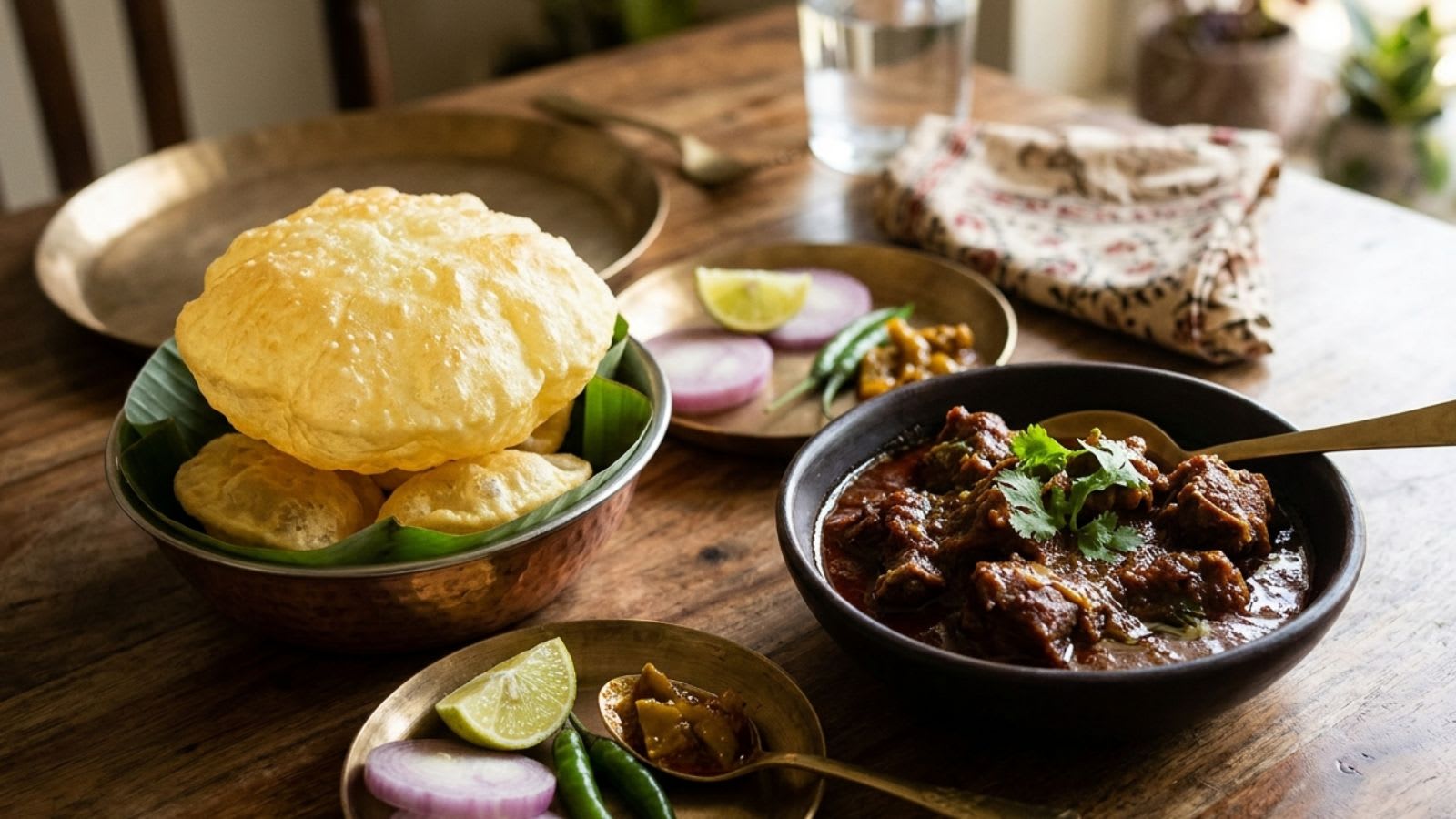
Kosha Mangsho is a celebrated Bengali meat dish known for its rich color and thick gravy. Its distinct flavor profile is achieved through the patient, traditional cooking technique known as koshano.
The Art of Kosha Mangsho: A Culinary Heritage
Kosha Mangsho stands as a pinnacle of Bengali gastronomy, representing a sophisticated balance of patience, spice, and tradition. Renowned for its iconic mahogany-brown hue and a gravy that clings perfectly to the meat, this dish is more than just a meal; it is a cultural hallmark often served during festivals and celebratory gatherings. Whether paired with the sweetness of Basanti polao or the crispness of luchi, the dish occupies a central place in the hearts of food enthusiasts.
The Science of Koshano
The secret to this dish lies primarily in the culinary technique known as koshano. Unlike quick-searing methods found in other global cuisines, koshano is a slow, methodical process of cooking down meat and spices over a controlled flame. This deliberate reduction allows the proteins and aromatics to undergo a Maillard reaction, developing deep, complex flavors that define the dish's signature profile. It is this patient reduction that transforms simple ingredients into a dense, flavor-packed masterpiece.
Flavor Profiles and Aromatics
The intense aroma associated with Kosha Mangsho is the result of layering spices at specific intervals during the koshano process. By slowly sweating the base ingredients, the cook ensures that no single spice dominates, but rather that all components meld into a cohesive, robust gravy. This technique requires an intuitive understanding of heat management, as the goal is to caramelize the ingredients without burning them, ensuring the signature dark color is achieved through depth of flavor rather than charred bits.
Cultural Context and Accompaniments
In the traditional Bengali culinary narrative, the meal is rarely considered complete without a proper sequence of flavors. While the Kosha Mangsho provides the savory, spiced centerpiece, it is often balanced by sides like Basanti polao or steamed rice (gorom bhaat). The meal is typically concluded with khejur-amshottor chatni (date and mango leather chutney), which serves as a palate cleanser, highlighting the Bengali preference for ending a heavy, spiced meal with a sweet, tangy note.
The Future of Traditional Techniques
As modern cooking trends shift toward rapid preparation and convenience, the slow-cooked method of koshano serves as an important reminder of the value of culinary heritage. The preservation of such techniques is vital for maintaining the authenticity of regional cuisines. By prioritizing the methodical extraction of flavor over speed, the legacy of Kosha Mangsho continues to thrive, proving that some culinary traditions are resilient precisely because they refuse to compromise on the time required for perfection.