I wish I had been a more rebellious teenager, says Bella Ramsey
Source Entity
BBC News
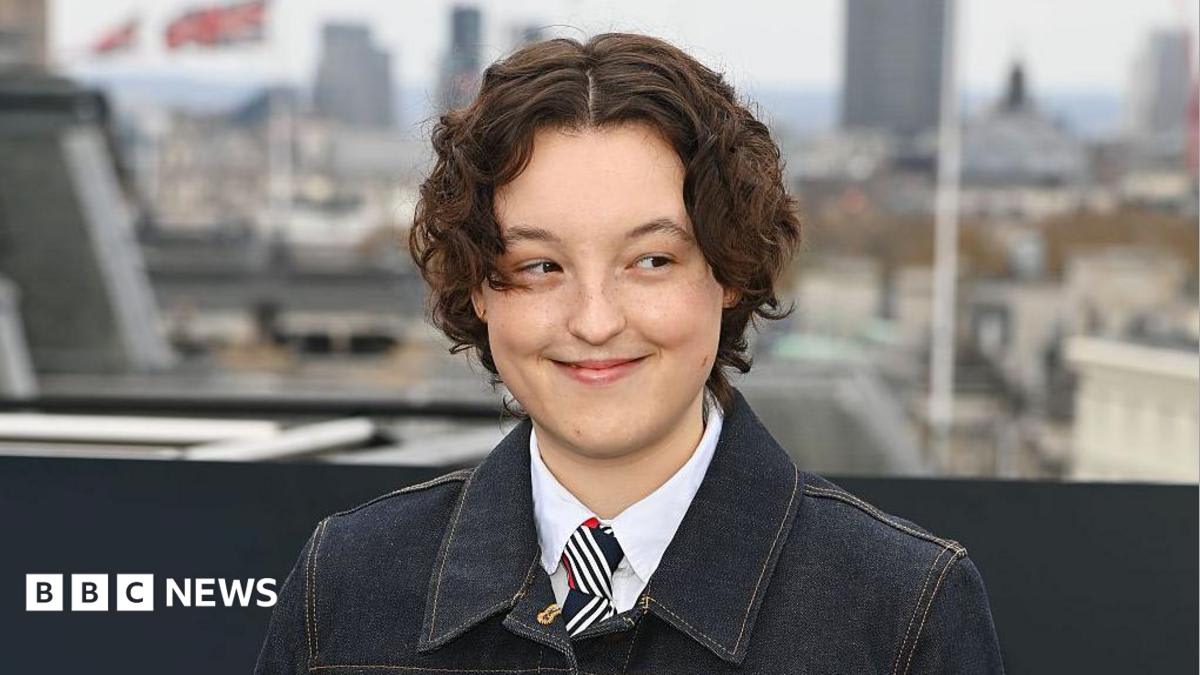
Actor Bella Ramsey reflects on their unconventional adolescence spent working on sets like Game of Thrones. Starring in the film 'Sunny Dancer,' they found a unique opportunity to experience the teenage freedom they previously missed.
The Unconventional Adolescence of Bella Ramsey
British actor Bella Ramsey, widely recognized for their breakout role in Game of Thrones at age 11, has recently shared personal reflections on the unique trajectory of their formative years. Unlike many of their peers, Ramsey spent their early adolescence working alongside adults in professional environments, a career path that fundamentally altered their development. This departure from the typical teenage experience meant that the actor largely bypassed the stereotypical phase of moodiness and rebellion often associated with middle and high school years.
The Pressure of Professionalism
Ramsey notes that their decision to avoid "stereotypical" teenage behavior was a conscious choice. Having frequently heard adults criticize the conduct of teenagers, they internalized these perceptions and actively sought to distance themselves from such tropes. By adopting a more mature, professional demeanor from a young age, they navigated the intense scrutiny of the entertainment industry but sacrificed the traditional developmental milestones that define the transition from childhood to adulthood.
Finding Freedom in 'Sunny Dancer'
The filming of Sunny Dancer, a narrative centered on a summer camp for young people impacted by cancer, provided Ramsey with an unexpected surrogate for their lost youth. The seven-week production schedule served as a concentrated period of teenage exploration. For the 21-year-old actor, the project was not merely a professional commitment but a "liberating" opportunity to inhabit the space of a teenager in a way they never did during their actual adolescence.
The Intersection of Life and Art
In Sunny Dancer, Ramsey portrays a cancer survivor navigating friendships, romance, and the quest for autonomy within a supportive community. This role allowed the actor to project their own desires for freedom onto their character, effectively bridging the gap between their reality as a child star and the standard experiences of their age group. The film provides a poignant setting—a camp specifically for those affected by illness—where the themes of resilience and the urgency of living are magnified, allowing for a deeper exploration of what it means to be young.
Reflections on Growth and Identity
Looking back at their career trajectory, Ramsey has expressed a nuanced sentiment regarding their past. They have noted that the experience of playing a teenager at 21 made them wonder if they had missed out on the hallmarks of youth. This reflection is significant, as it highlights the common tension faced by child actors: the trade-off between early professional success and the loss of a conventional, carefree upbringing.
Broader Implications for Child Stars
Ramsey’s experience underscores a broader conversation within the entertainment industry regarding the mental and social well-being of young performers. As child actors continue to gain prominence, the industry is increasingly forced to reckon with the long-term effects of professional immersion during formative years. Ramsey’s public honesty serves as a reminder that even those who achieve early acclaim often grapple with the quiet, personal realization of missed developmental phases, seeking to reclaim those moments through their craft.