Bengal SIR tribunals may take 12 years to decide on appeals
Source Entity
AMIT ANAND CHOUDHARY
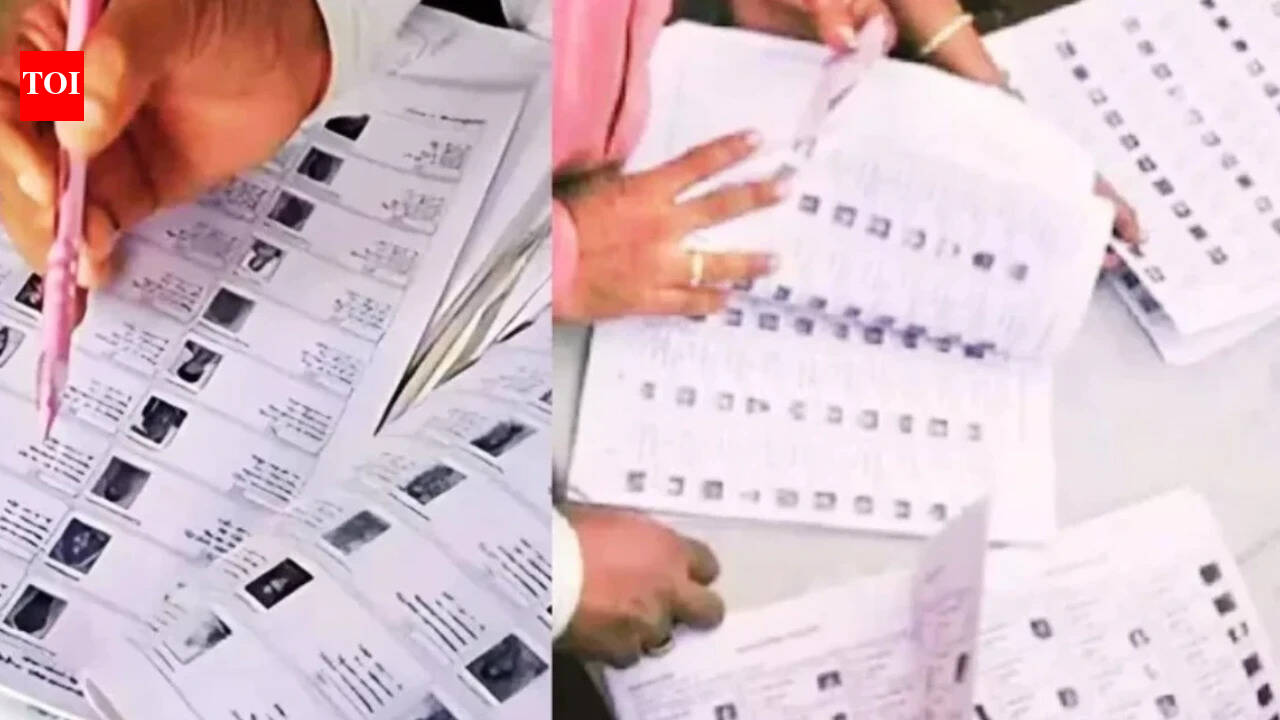
West Bengal's electoral roll appeals face a massive backlog, with current adjudication rates suggesting it could take over 12 years to resolve all cases. The Election Commission has urged the Supreme Court to increase the number of tribunals to address the 37 lakh pending applications.
The Electoral Crisis in West Bengal: A Decade-Long Wait for Justice
Recent filings before the Supreme Court of India have brought to light a staggering administrative bottleneck in West Bengal, where the process of electoral roll revision has left over 3.7 million voters in a state of democratic limbo. Following the Special Intensive Revision (SIR) of electoral rolls, a massive number of citizens were removed from the voter lists, triggering an unprecedented surge in appeals. With only 1.26 lakh cases resolved over the past five months, the current speed of judicial and quasi-judicial review is woefully inadequate to meet the needs of the electorate.
The Arithmetic of Exclusion
The math behind the crisis is sobering. With approximately 37 lakh appeals currently pending and a disposal rate of roughly 25,000 cases per month, the projected timeline for total resolution exceeds 12 years. This effectively disenfranchises a significant portion of the West Bengal population, preventing them from exercising their fundamental right to vote in multiple election cycles, including local, state, and potentially national contests. This backlog is not merely a bureaucratic inconvenience but a profound challenge to the integrity of the electoral process.
Administrative Challenges and Capacity Constraints
The Election Commission (EC) has acknowledged the severity of the situation, filing an affidavit with the Supreme Court that highlights the gap between existing tribunal capacity and the actual caseload. The reliance on appellate tribunals, which were established under the directive of the Supreme Court to oversee SIR grievances, has proven insufficient. The system was designed to provide a safeguard against arbitrary deletions, yet the sheer volume of applicants has overwhelmed the current infrastructure, turning a protective mechanism into a source of long-term exclusion.
Broader Implications for Electoral Integrity
This situation raises critical questions regarding the balance between the efficiency of electoral roll maintenance and the protection of voter rights. When the mechanism for correcting errors in the voter list is slower than the electoral cycle itself, the risk of disenfranchisement becomes institutionalized. The inability to resolve these appeals in a timely manner undermines public trust in the electoral management body and casts doubt on the accuracy of the roll for future elections.
The Path Forward: Systemic Reform
To address this, the Election Commission has formally requested an increase in the number of tribunals. However, scaling up involves more than just appointing new officials; it requires a robust administrative framework to handle the logistics of mass adjudication. Without significant intervention, the state risks a permanent state of electoral instability where a large segment of the population remains perpetually caught in a cycle of appeals, unable to participate in the democratic process.
Conclusion
The crisis in West Bengal serves as a cautionary tale for electoral management across India. The intersection of mass roll revisions and limited appellate capacity has created a bottleneck that threatens the democratic rights of millions. As the Supreme Court considers the EC's request for more tribunals, the focus must remain on ensuring that the right to vote is not sacrificed at the altar of administrative expediency.