BJD mounts pressure on BJP government over MMDR amendment act seeking special session of assembly
Source Entity
India Latest News: Top National Headlines Today & Breaking News | The Hindu
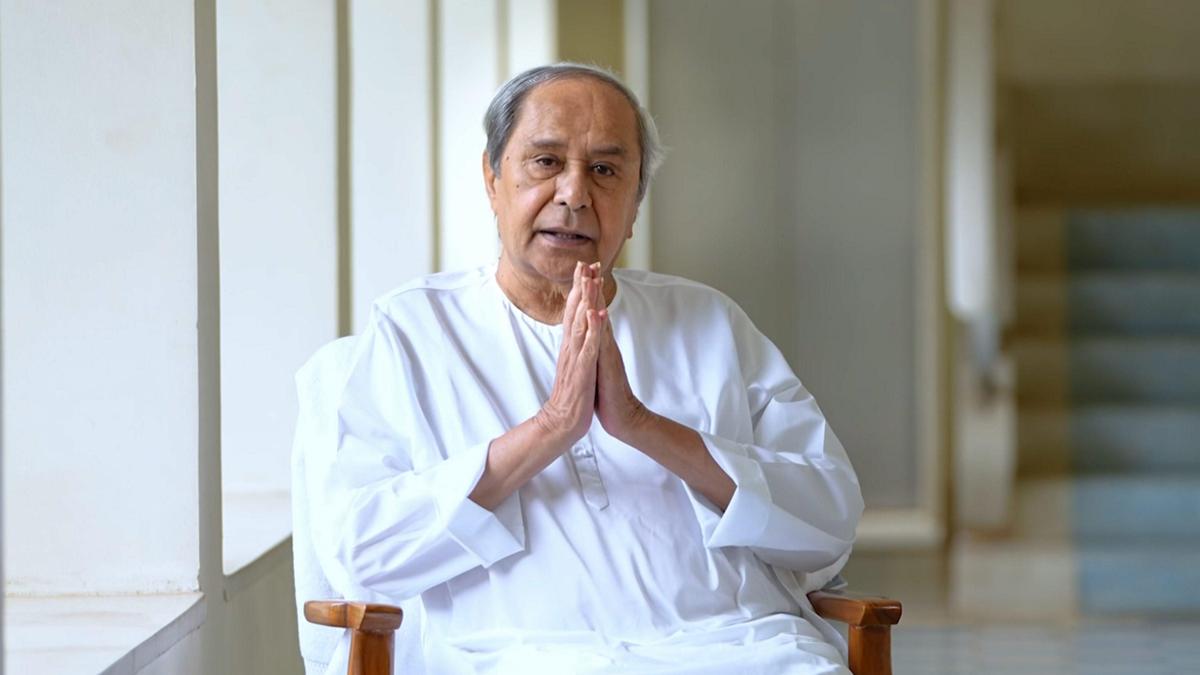
Former Odisha CM Naveen Patnaik has urged the current government to pass a resolution against the 2026 MMDR Amendment Act. He argues the act strips the state of its constitutional right to tax mineral wealth, favoring mine owners over public interest.
The Political Standoff Over Mineral Rights in Odisha
A Constitutional Challenge
The political landscape in Odisha has intensified following a direct appeal from former Chief Minister Naveen Patnaik to current CM Mohan Charan Majhi. At the heart of this dispute is the Mines and Minerals (Development and Regulation) Amendment Act 2026, which Patnaik contends represents a significant overreach by the central government. By restricting the state's authority to levy taxes on its own mineral resources, the amendment has ignited a debate over the balance of power between federal and state governments regarding natural resource management.
The Economic Implications for Odisha
Odisha’s economy is heavily reliant on its vast mineral reserves, making the revenue generated from taxes on these resources a cornerstone of the state's fiscal health. Patnaik’s assertion that the amendment strips the state of its constitutional right to tax mineral wealth suggests a potential long-term revenue deficit. If the state is unable to capture the value of its mineral output, public welfare projects and infrastructure developments that were previously funded by these levies may face severe budgetary constraints.
Political Polarization and Accountability
Patnaik’s critique specifically targets the 20 BJP MPs from Odisha, accusing them of prioritizing the interests of mine owners over the citizens of the state. By framing the support for the amendment as an act against the people of Odisha, the Biju Janata Dal (BJD) is attempting to solidify its position as the primary defender of regional autonomy. This rhetoric serves to highlight a growing divide between the state-level administration and the central legislative agenda.
The Demand for a Special Session
With the Odisha Legislative Assembly session scheduled for September 22, the demand for a special session to pass a unanimous resolution is a strategic political maneuver. By pushing for a collective legislative stance, the BJD aims to force the current BJP-led state government to either align with the opposition’s demand to repeal the act or risk being perceived as complicit in the erosion of the state's financial sovereignty. This move effectively puts the Majhi administration in a difficult position as they navigate party loyalty versus state interests.
Historical Context and Future Trends
Historically, mineral-rich states like Odisha have long struggled with the central government over resource control. The 2026 amendment appears to be a definitive shift toward centralizing control over the mining sector, which could set a precedent for other states. If this trend continues, we may see an increase in inter-state and state-center litigation regarding the interpretation of constitutional rights under the Constitution of India, particularly concerning the Seventh Schedule which dictates the division of powers.
Concluding Summary
The situation remains fluid as the government prepares for the upcoming assembly session. The outcome of this standoff will not only determine the immediate fiscal future of Odisha but will also serve as a litmus test for the strength of federalism in India’s mining-dominated regions. Whether or not a resolution is passed, the discourse initiated by Patnaik highlights a critical tension between national industrial policy and regional economic rights.
Verification Required?