Bengal Withdraws State Honour From BJP MP Nagendra Ray, Who Insulted Netaji
Source Entity
NDTV News Search Records Found 1000
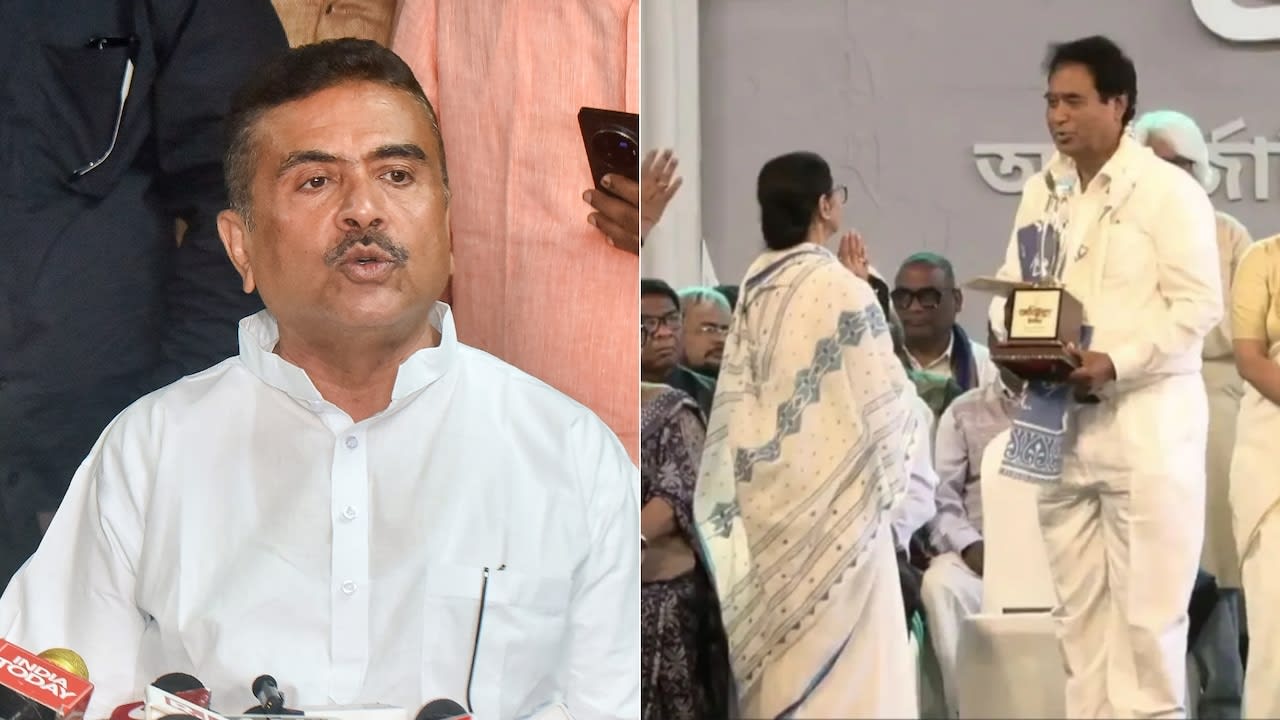
The West Bengal government has revoked the Banga Bibhushan award from BJP MP Nagendra Ray, known as Ananta Maharaj, following his derogatory remarks regarding Netaji Subhash Chandra Bose. The decision reflects the state's firm stance on protecting the legacy of the iconic freedom fighter against political criticism.
The Revocation of the Banga Bibhushan: A Conflict of Historical Legacies
The Incident and Official Response
The West Bengal government has officially rescinded the Banga Bibhushan award previously granted to BJP Rajya Sabha MP Nagendra Ray, commonly referred to as Ananta Maharaj. This administrative action, executed by the Information and Cultural Affairs Department, follows public outcry stemming from Ray’s controversial comments questioning the leadership of Netaji Subhash Chandra Bose and the historical legitimacy of the Azad Hind Fauj. The state government’s decision to annul the award—the highest civilian honour in West Bengal—underscores the gravity with which the administration views any perceived disparagement of the state’s most revered historical figures.
Contextualizing the Banga Bibhushan
Conferred upon Ray on February 21, 2026, the award was initially presented in recognition of his service to the Rajbanshi community and his efforts in promoting their language and culture. At the time of its bestowal, the Mamata Banerjee-led government cited the award’s requirement for "distinguished and exemplary contributions" and its inherent "dignity, prestige, and institutional purpose." By revoking this honor, the government effectively signals that the recipient's subsequent actions have fundamentally undermined the institutional integrity associated with the award.
The Political Fallout and Netaji’s Legacy
Netaji Subhash Chandra Bose occupies a central, near-sacrosanct position in the political and cultural identity of West Bengal. Any discourse questioning his contributions or the formation of the Azad Hind Fauj often triggers intense emotional and political backlash. The timing of this revocation, occurring shortly after warnings from political leadership regarding the protection of Netaji’s legacy, highlights the volatile intersection of contemporary partisan politics and historical reverence in the state.
Broader Implications for State Awards
The decision to strip a sitting MP of a state honour is a rare and significant move, suggesting a shift in how the West Bengal government manages the prestige of its civilian accolades. By formalizing the withdrawal based on "certain facts and circumstances" that arose post-conferral, the government has set a precedent that state recognition is conditional upon continued adherence to the values and historical narratives upheld by the state.
Future Trends in Political Discourse
This event reflects a growing trend where historical interpretation becomes a primary battleground for political legitimacy. As political factions continue to debate the narratives surrounding India's independence movement, the use of state-sanctioned awards as a tool for both validation and censure is likely to persist. For public figures, this incident serves as a stark reminder that the acceptance of state honors carries an implicit expectation of alignment with the state's cultural and historical priorities.
Multiple Citing Sources
Verification Required?