Parliament passes MMDR Amendment Bill curbing states’ mineral levies; Kishan Reddy assures no revenue loss
Source Entity
Pratyush Deep
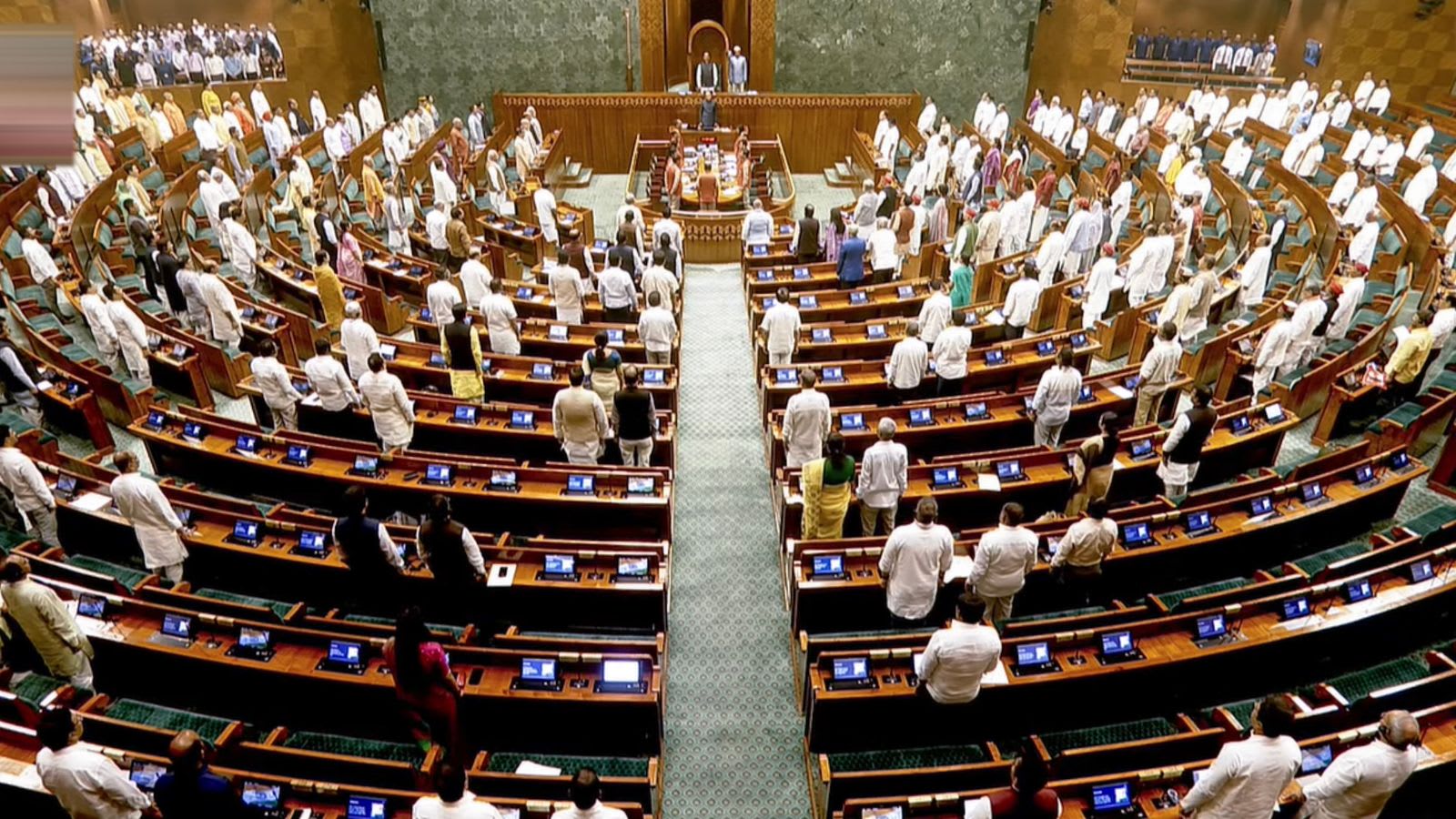
Parliament has passed the MMDR Amendment Bill 2026, limiting state powers to levy mineral taxes. Jharkhand CM Hemant Soren has strongly opposed the move, citing significant fiscal risks to the state's non-tax revenue.
The MMDR Amendment Bill 2026: A Federalism Conflict
The passage of the Mines and Minerals (Development and Regulation) Amendment Bill, 2026, has ignited a significant constitutional and political debate regarding the balance of power between the Union government and India’s mineral-rich states. By prohibiting states from imposing specific levies on mineral rights and mineral-bearing lands without central approval, the legislation seeks to standardize mining regulations across the country, aiming for a more uniform national economic policy.
The Legal Backdrop and SC Intervention
This legislative move arrives in a complex legal environment. In 2024, the Supreme Court of India delivered a landmark verdict affirming the authority of state governments to levy taxes on mineral rights and land. Furthermore, the court permitted states to collect tax arrears dating back to April 1, 2005. The 2026 Amendment Bill appears to be a direct legislative response to this judicial shift, attempting to reassert central oversight and restrict the scope of state-imposed levies that the Court had previously empowered.
The Fiscal Impact on Jharkhand
Jharkhand Chief Minister Hemant Soren has emerged as a vocal critic of the Bill, framing it as a "black Bill" that undermines state autonomy. The economic stakes are exceptionally high for the region; according to the State Economic Survey for 2025-26, mining revenue accounted for a staggering 84.9% of Jharkhand’s own non-tax revenue in 2024-25. Mr. Soren argues that restricting these levies will severely curtail the state's fiscal space, limiting its capacity to manage the environmental degradation and social welfare needs inherent to mining-heavy economies.
Union Government’s Stance
In defense of the legislation, Union Mines Minister G. Kishan Reddy has publicly assured that the new mandates will not result in net revenue losses for the states. The Centre’s position suggests a belief that central regulation will foster a more predictable investment climate, potentially boosting overall mineral production and economic growth, which could theoretically offset the loss of independent state levies.
Broader Implications for Cooperative Federalism
This conflict highlights the ongoing friction between the principles of cooperative federalism and the Centre's drive for national economic harmonization. Mr. Soren’s assertion that "minerals belong to Jharkhand" reflects a deep-seated grievance regarding the exploitation of local resources. The threat of a "massive agitation" underscores the potential for this legislative change to destabilize center-state relations, particularly in regions where local livelihoods are intrinsically linked to the extraction of natural resources.
Concluding Outlook
As the Bill awaits the President’s assent, the nation watches to see whether the Centre’s promise of "no revenue loss" holds true in practice. If the fiscal impact on states like Jharkhand proves as severe as the state government anticipates, the country may face prolonged legal challenges and political unrest. The outcome of this dispute will likely set a critical precedent for how mineral rights and resource taxation are managed in India for decades to come.