Fake cancer drugs supplied to more than 90 Bengaluru hospitals, pharmacy owner arrested
Source Entity
Atiya Firdos
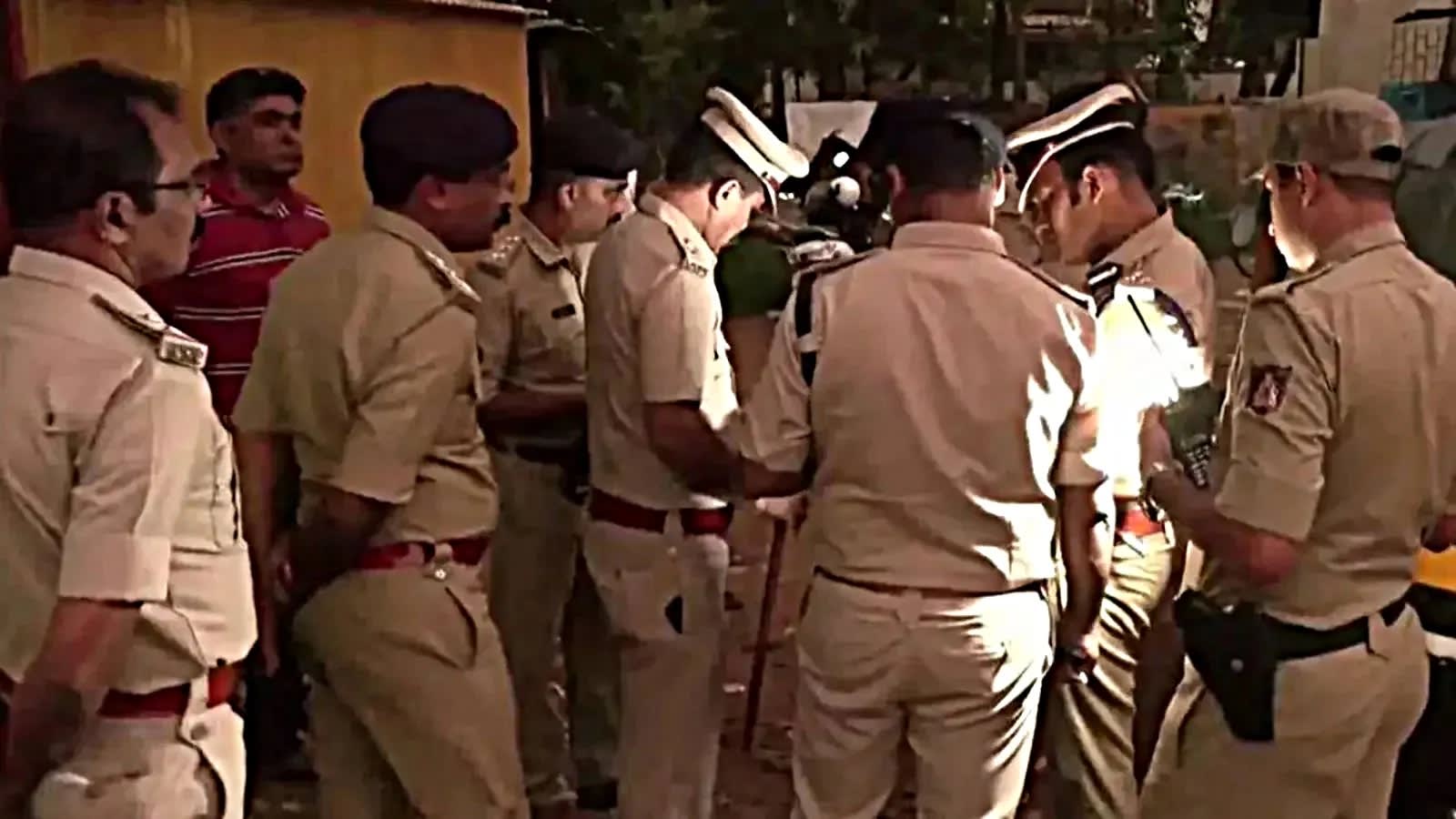
A large-scale counterfeit medicine racket has been uncovered in Bengaluru following raids on a local pharmacy. Authorities arrested the owner, Veeresh Kumar Jain, for supplying fake life-saving and cancer drugs to over 90 hospitals.
Uncovering a Medical Crisis in Bengaluru
The recent crackdown by the Special Investigation Team (SIT) and the Drugs Control Department in Bengaluru has revealed a disturbing breach in the city's pharmaceutical supply chain. By raiding Krupa Healthcare near Minerva Circle, authorities seized a significant volume of suspected counterfeit medicines, including high-stakes oncology drugs and intensive care unit (ICU) injections. This operation follows an earlier bust near Bidadi, signaling a coordinated effort to dismantle a sophisticated network that has allegedly compromised patient safety across more than 90 hospitals and clinics.
The Anatomy of the Racket
The investigation centers on Veeresh Kumar Jain, the owner of Krupa Healthcare, who has been taken into custody. Police reports suggest that Jain was a former associate of Prashanth, an alleged kingpin currently on the run. The scope of this criminal enterprise extends far beyond local borders; investigators conducted simultaneous raids across six states, including Karnataka, Haryana, Himachal Pradesh, Tamil Nadu, and Maharashtra. This indicates a multi-state nexus designed to circulate illicit pharmaceutical products into the legitimate healthcare market.
Risks to Patient Safety
The nature of the drugs involved—specifically cancer medications and life-saving ICU treatments—poses an acute threat to public health. Counterfeit drugs in this category do not merely fail to treat conditions; they can contain toxic substances or completely lack the active pharmaceutical ingredients (APIs) necessary for patient survival. For oncology patients, the administration of fake medication can lead to disease progression, severe adverse reactions, and tragic loss of life, making this one of the most egregious forms of medical malpractice.
Regulatory and Investigative Challenges
This incident highlights the immense difficulty regulators face in policing the supply chain in a decentralized market. The fact that these drugs reached over 90 hospitals suggests a breakdown in procurement verification processes. The involvement of the SIT indicates that authorities are treating this not just as a regulatory violation, but as a severe criminal conspiracy. The collaborative effort between the SIT and the Drugs Control Department is a necessary response to the complexity of a racket that spans several states.
Broader Implications and Future Trends
Moving forward, this case will likely force a major overhaul of how private healthcare facilities in Bengaluru and beyond verify the authenticity of their drug suppliers. The pharmaceutical industry is expected to face increased scrutiny regarding distribution channels and the security of the medical supply chain. As investigators continue to track the absconding kingpins and analyze the seized stock, the focus will shift toward strengthening tracking mechanisms, such as blockchain or enhanced barcoding, to ensure that life-saving medicines remain untampered from manufacturer to patient.
Conclusion
The arrest of Veeresh Kumar Jain is a significant milestone in the ongoing investigation, but it underscores a deeper, systemic vulnerability in the medical supply chain. Protecting the integrity of cancer and ICU drugs is paramount to public trust in the healthcare system. As legal proceedings unfold, the findings from these six-state raids will be critical in identifying how these counterfeit substances infiltrated major hospitals and in preventing future occurrences of such life-threatening fraud.