B'luru man strangles wife, pours hot oil on her face to stage death as suicide
Source Entity
TNN
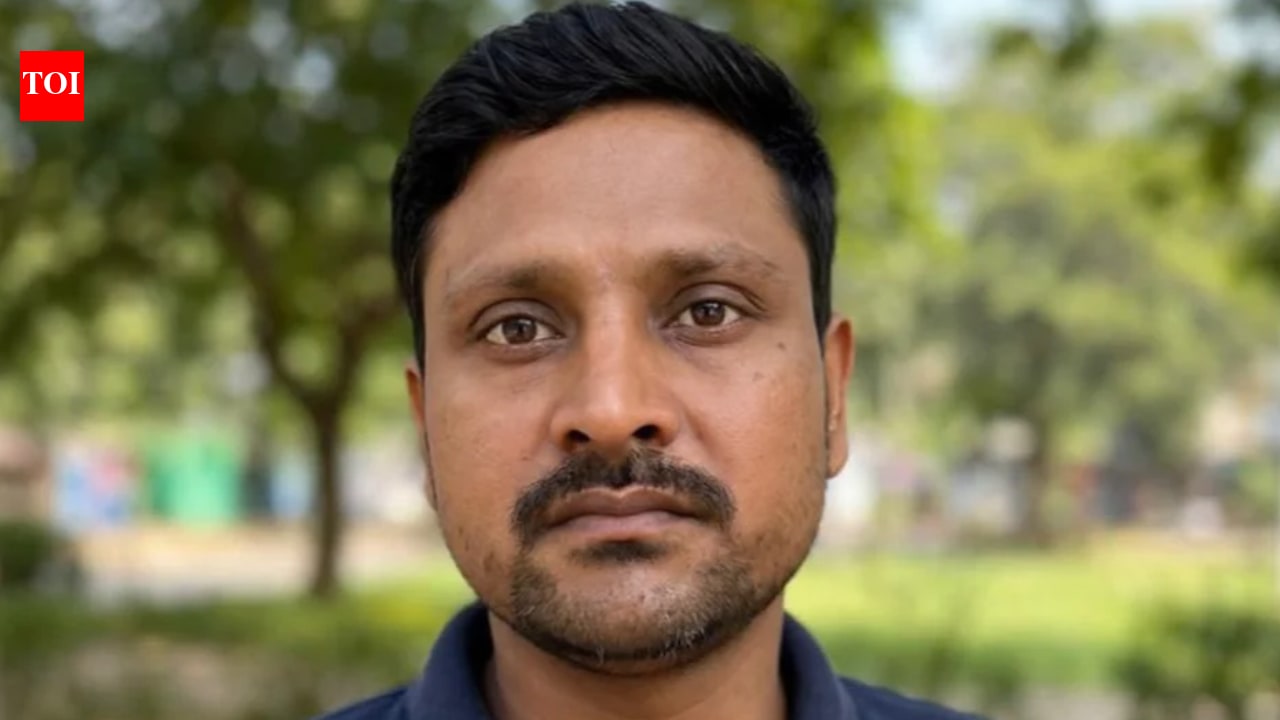
Two separate domestic murder cases in Bengaluru have shocked the public, involving the strangulation of wives by their husbands. In one instance, the suspect confessed to staging a suicide, while in the other, the accused died by apparent suicide after the crime.
Domestic Violence Crisis in Bengaluru: Two Tragic Cases
The city of Bengaluru has recently been shaken by two distinct, yet equally harrowing, cases of domestic violence resulting in the deaths of two women. These incidents, occurring in separate neighborhoods, highlight the grim reality of intimate partner violence and the extreme measures perpetrators take to conceal their crimes. In the first instance, Ranjit Kumar Gupta, a 40-year-old resident of Bilekahalli, allegedly murdered his wife, Gunja Maddheshiya, following a history of frequent domestic quarrels.
The Bilekahalli Incident: A Failed Cover-up
In the case involving Ranjit Kumar Gupta, the perpetrator attempted to manipulate the crime scene to deflect suspicion. After strangling his wife, he poured hot oil on her face, presumably to disfigure her and mask the signs of a struggle, ultimately attempting to stage the murder as a suicide. This calculated effort to obstruct justice demonstrates a disturbing level of premeditation. However, the vigilance of the Bengaluru police proved decisive, as they identified significant discrepancies in the husband's narrative, leading to his confession and subsequent remand in judicial custody.
The Doddaballapur Tragedy: A Fugitive's End
Separately, in Doddaballapur, a 28-year-old man named Anand allegedly murdered his 23-year-old wife, Vidya, at a local lodge using an ID-card lanyard. Unlike the first case, where the suspect was captured, the aftermath here took a different turn. After committing the crime on September 15, Anand fled the scene, triggering a police manhunt. His body was discovered days later in a decomposed state in a lake in his hometown of Madugere village, suggesting that the suspect chose to end his own life following the murder.
Patterns of Domestic Escalation
Both incidents illustrate a common, tragic trajectory in domestic violence cases: the escalation of long-standing or intense interpersonal conflict into lethal violence. In Gupta’s case, the catalyst was reportedly trivial, yet the outcome was absolute. In the case of Anand and Vidya, the use of a makeshift weapon—an ID-card lanyard—points to a crime of impulse or immediate opportunity within the confines of a lodge. These cases underscore the volatile nature of abusive relationships and the critical importance of early intervention.
Broader Implications and Societal Trends
These events serve as a sobering reminder of the systemic challenges regarding domestic safety. While law enforcement has shown efficiency in detecting these crimes—either through forensic scrutiny of crime scenes or intensive searches for fugitives—the prevention of such violence remains a complex societal hurdle. The prevalence of domestic disputes resulting in such extreme outcomes suggests a need for better access to counseling, mental health resources, and support structures for individuals trapped in toxic or abusive marriages.
Concluding Outlook
As the Bengaluru police continue their investigations into these separate tragedies, the focus shifts toward ensuring justice for the victims. The juxtaposition of a suspect caught in a web of lies versus a suspect who escaped justice through self-harm highlights the unpredictable nature of such criminal investigations. Moving forward, authorities and community organizations must prioritize awareness and intervention to break the cycle of domestic violence that continues to claim lives in urban centers.