Suicide blast at Pakistan police compound: Death toll mounts to 31
Source Entity
RAJEEV SINGH
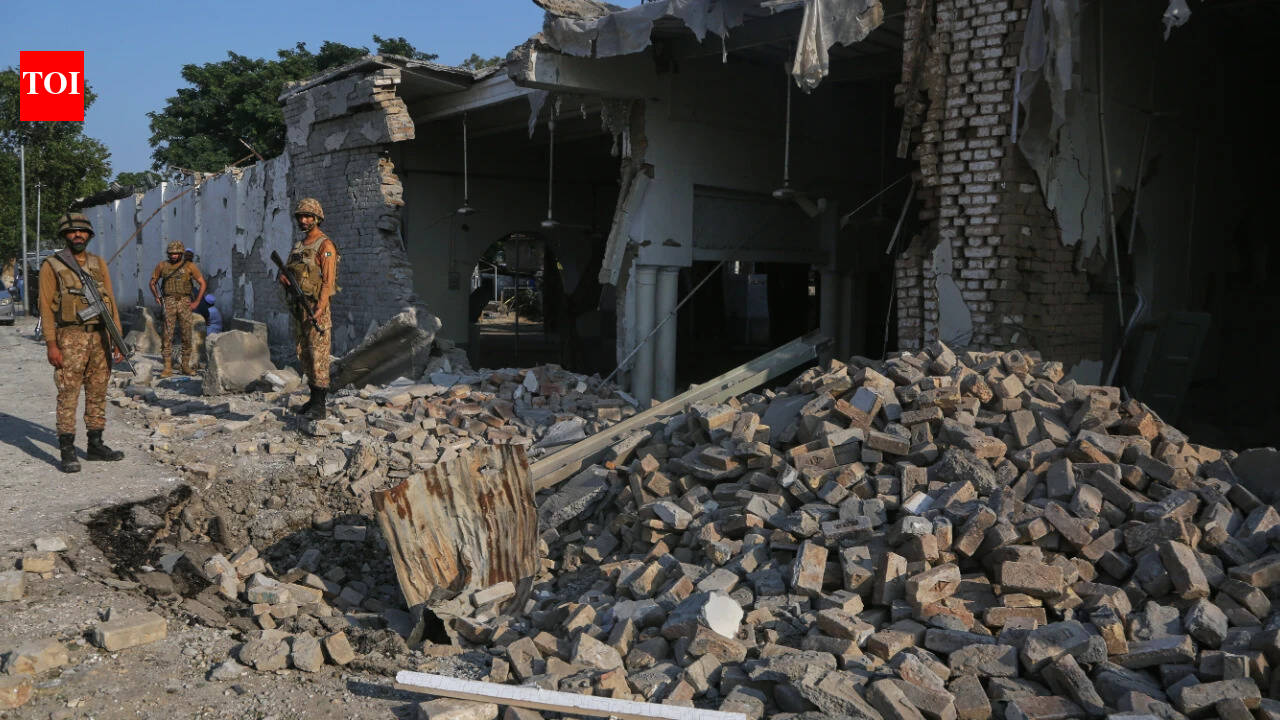
A suicide car bombing at a police compound mosque in Kohat, Pakistan, has claimed 31 lives and left dozens injured. The attack, which targeted officers and their families during Friday prayers, has caused significant structural destruction and remains under investigation.
Tragedy in Kohat: A Deep Analysis of the Police Compound Bombing
The Anatomy of the Attack
On Friday, September 18, 2026, a devastating act of violence shattered the tranquility of the Old Police Lines complex in Kohat, a city in Pakistan’s Khyber Pakhtunkhwa (KP) province. A suicide attacker executed a high-impact assault by ramming an explosives-laden vehicle directly into the facility. The timing of the blast was calculated to cause maximum carnage, occurring precisely as police personnel and their families were gathered for prayer inside the compound’s mosque. The resulting explosion reduced the structure to rubble, creating a scene of absolute devastation.
Mounting Casualties and Humanitarian Impact
Official reports confirm that the death toll has reached at least 31 individuals, with 16 identified as police officers. Beyond the fatalities, the scale of the injury is staggering; approximately 80 to 100 people were rushed to medical facilities in the immediate aftermath. Medical teams have described the condition of several victims as critical, sparking widespread concern that the death toll may continue to climb. The tragedy is compounded by the fact that the victims included not just on-duty personnel, but also their family members, marking this as an exceptionally cruel strike against the security apparatus and their civilian dependents.
Regional Instability in Khyber Pakhtunkhwa
Kohat, a town home to approximately 220,000 residents, sits in a volatile region of Pakistan. The Khyber Pakhtunkhwa province has long been a theater for militant activities, often characterized by attacks on law enforcement and state infrastructure. This specific strike on a police facility underscores the persistent security challenges facing the region. The presence of armed soldiers and a heavy emergency response presence at the site serves as a grim reminder of the perpetual state of alert required to maintain order in the area.
Tactical Implications and Security Failures
From a tactical perspective, the use of an explosives-packed car to penetrate a fortified police compound raises significant questions regarding perimeter security and intelligence gathering. By striking during a religious gathering, the perpetrators sought to exploit the psychological vulnerability of the congregants. The ability of the attacker to maneuver a vehicle into the heart of the facility suggests a sophisticated, albeit brutal, level of planning that effectively bypassed traditional security layers designed to protect the compound.
Future Trends and Security Outlook
The claiming of responsibility by militants highlights the ongoing struggle between state forces and insurgent groups operating within the northwest. Such attacks are often designed to undermine public confidence in the police force and the government’s ability to protect its citizens. Looking ahead, it is likely that authorities will implement intensified security protocols, including increased vehicle screening and restricted access to sensitive areas, to prevent similar occurrences. The incident will undoubtedly prompt a review of current counter-terrorism strategies and the physical security of public and religious spaces located within government facilities.
Concluding Summary
As investigations continue and the community mourns, the attack in Kohat remains a stark illustration of the persistent threat landscape in Pakistan. The loss of 31 lives, including those of service members and their families, is a profound tragedy that highlights the high human cost of regional instability. Moving forward, the focus will remain on the recovery of the injured and the broader implications this violence holds for the security trajectory of the Khyber Pakhtunkhwa province.