Special clean-up drive removes 150 tonnes of waste from K.R. Market
Source Entity
India Latest News: Top National Headlines Today & Breaking News | The Hindu
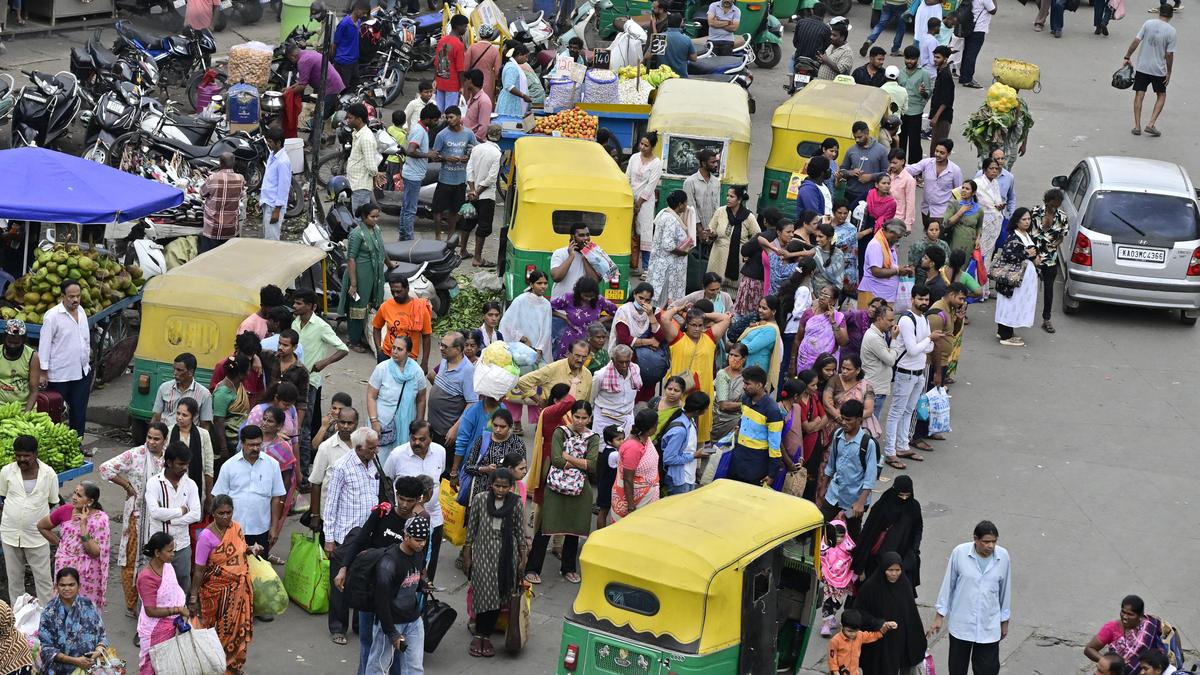
The Bengaluru Central City Corporation successfully removed 150 tonnes of waste from K.R. Market following the Deepavali festival. The four-day operation utilized a large team of sanitary workers and officials to manage high volumes of festive debris.
Massive Sanitation Effort at K.R. Market
Following the conclusion of the Deepavali festivities, the Bengaluru Central City Corporation (BCCC) undertook a significant logistical operation to restore sanitation at K.R. Market. Between November 8 and 11, the municipal body successfully cleared 150 tonnes of accumulated refuse. This effort was critical given the surge in footfall and commercial activity typical of the festive season, which invariably leads to an exponential increase in organic and inorganic waste generation.
Breakdown of the Cleanup Operation
The waste management initiative was structured over four days, reflecting the fluctuating intensity of market activity. According to Venkatachalapathi R., the Additional Commissioner (Development) for the BCCC, the volume of waste collected followed a steady trajectory: 30 tonnes on the first day, 35 tonnes on the second, 45 tonnes on the third, and 40 tonnes on the final day. This data highlights the immense pressure placed on municipal infrastructure during peak shopping days.
Composition of Festive Waste
K.R. Market, being a hub for perishables, generates a unique waste profile. The 150 tonnes collected consisted primarily of flower remnants, discarded fruits, and vegetable waste, alongside plastic packaging and general refuse. The disposal of such high volumes of organic material is essential to prevent public health hazards, such as the breeding of vectors or the obstruction of drainage systems, which are common concerns in high-density urban markets.
Collaborative Municipal Action
The operation was a multi-disciplinary effort, requiring the coordination of sanitary workers, marshals, health inspectors, and supervisory officials. By deploying a comprehensive team, the BCCC ensured that the market could resume normal operations without the lingering impact of festive waste. This level of synchronization is indicative of the city's approach to managing large-scale public events in sensitive commercial zones.
Future Trends and Sustainability
Moving forward, the BCCC has emphasized its commitment to long-term cleanliness by pledging to continue monitoring the area. The corporation has also issued an appeal to traders and the public to participate in maintaining hygiene standards. As Bengaluru continues to expand, the reliance on such manual "special drives" points to a need for more robust, automated waste management systems that can handle the cyclical spikes in refuse during Indian festivals. Future trends suggest a shift toward source-segregation and stricter enforcement of waste disposal regulations within the city’s major markets to mitigate the environmental footprint of rapid urban consumption.
Verification Required?