Prank, fake calls to Bengaluru’s Namma 112 helpline: A recurring challenge for police control room operators and Hoysala teams
Source Entity
India Latest News: Top National Headlines Today & Breaking News | The Hindu
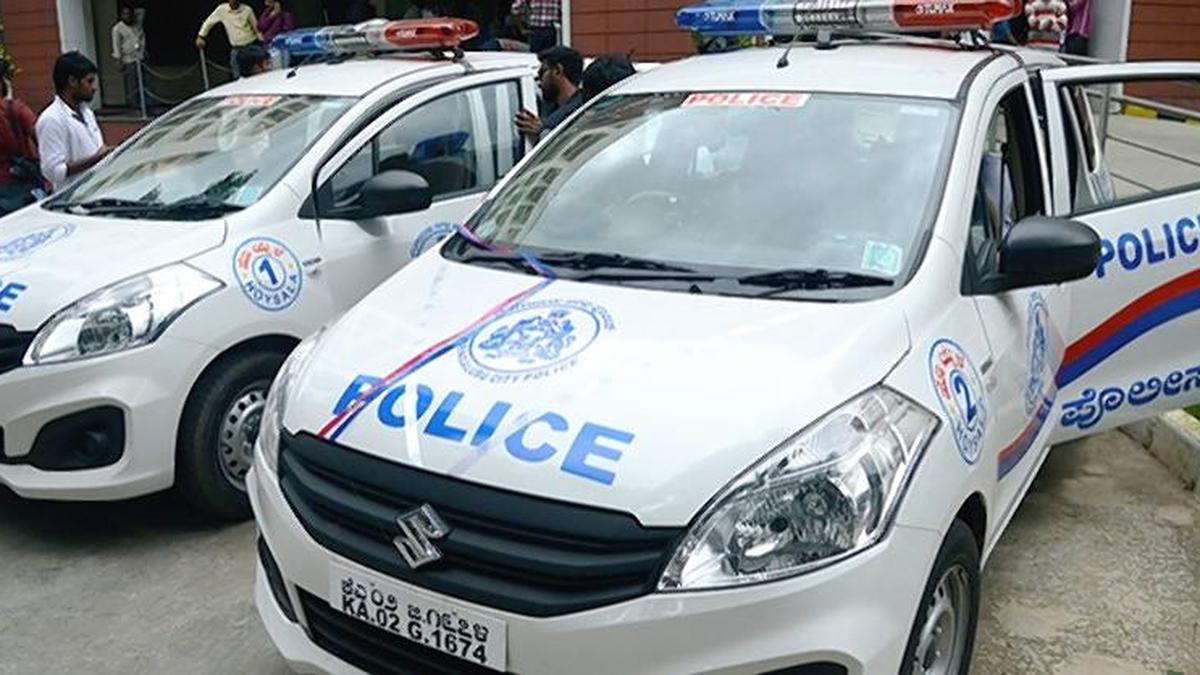
Bengaluru's Namma 112 emergency helpline is grappling with a surge in fake calls and harassment directed at operators. Recent incidents, including a false report of an assault, demonstrate the severe strain these nuisance calls place on police resources and personnel.
The Crisis of False Reporting in Bengaluru's Emergency Services
The Strain on Namma 112
Bengaluru's emergency response system, centered around the Namma 112 helpline, is currently navigating a significant operational challenge caused by a recurring influx of prank and malicious calls. This situation has evolved beyond a mere nuisance, becoming a critical impediment to the efficiency of the police control room and the deployed Hoysala response teams. The prevalence of these false alarms directly correlates to a waste of public resources and a potential delay in addressing genuine emergencies.
Targeting the Frontline
A particularly concerning aspect of this trend is the direct harassment directed toward women operators stationed at the 112 command center. These professionals are frequently the primary targets of nuisance callers, creating a hostile work environment that undermines their ability to process real distress signals effectively. The psychological toll on these operators is substantial, as they must maintain composure while filtering through a high volume of illegitimate requests.
The Cost of Fabricated Emergencies
A clear example of this phenomenon occurred recently when a caller identified as Umesh reported a violent assault involving four individuals near a gate within the Bandepalya police station limits. The urgency of such a report necessitated an immediate mobilization of law enforcement, with ASI Venkatesh M. and his team rushing to the scene. The subsequent discovery that no such event occurred serves as a stark reminder of how easily police assets can be diverted by bad actors.
Resource Diversion and Public Safety
The implications of these fabrications are profound. When police personnel and local staff are deployed to verify a hoax, they are effectively pulled away from their patrol duties and unavailable to respond to legitimate criminal activity or medical emergencies. This diversion of force represents a significant risk to public safety, as the limited window for effective police intervention is squandered on investigating non-existent crimes.
Accountability and Future Trends
While the police are conducting inquiries into the source of these calls—as seen in the case of the informant Umesh—the recurring nature of these incidents suggests a systemic issue that requires a more robust deterrent strategy. Moving forward, the Bengaluru police will likely need to integrate more advanced caller verification technologies or implement stricter legal consequences for those who weaponize the emergency response system. Without a change in behavior or policy, the integrity of the Namma 112 network remains under constant threat from those who view public emergency infrastructure as a platform for harassment.
Verification Required?