Deaths Of 15 Elephants In Kenya's National Park Spark Investigation
Source Entity
NDTV News Search Records Found 1000
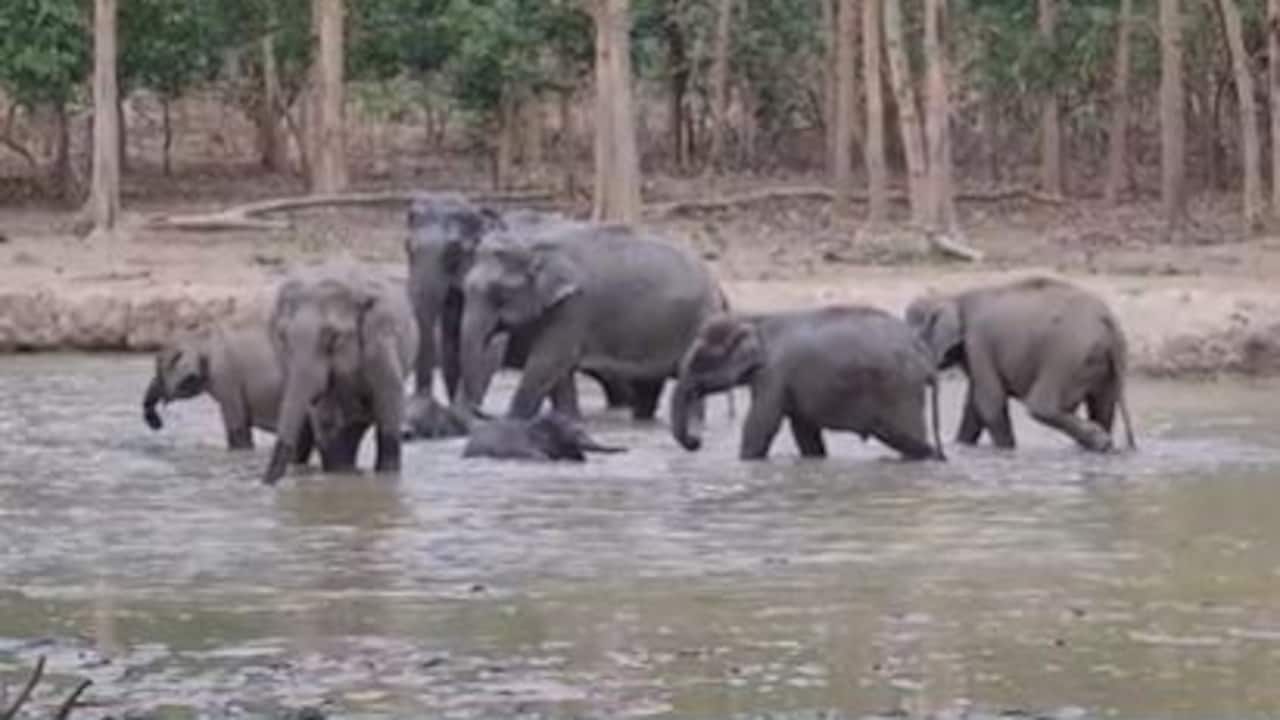
The Kenya Wildlife Service is investigating the mysterious deaths of 15 elephants in the Amboseli region. Most victims were female elephants and calves displaying signs of paralysis, raising concerns about potential poisoning.
Investigation Launched into Mysterious Elephant Deaths in Amboseli
Recent reports from Kenya have confirmed a deeply concerning trend in the Amboseli national park region, where authorities are currently investigating the deaths of 15 elephants over the past month. The Kenya Wildlife Service (KWS) has been tasked with identifying the cause of this localized tragedy, which has primarily occurred in the Kimana sanctuary and the Kuku ranch areas adjacent to the protected park boundaries.
Clinical Observations and Demographic Impact
The nature of these deaths is particularly alarming due to the specific symptoms observed by field agents. According to KWS officials, at least 10 of the deceased elephants exhibited signs of partial paralysis before succumbing to their condition within a mere 48-hour window. The demographic breakdown of the victims—predominantly female elephants and their calves, with only a single male identified—suggests a potential environmental or toxicological stressor that may be impacting family units as they traverse these specific corridors.
Challenges in Forensic Analysis
Determining the root cause of these fatalities has been hindered by the state of the remains discovered. While the 10 elephants exhibiting paralysis provided some initial clinical data for observation, the remaining five carcasses were found in a state of advanced decomposition or had been heavily scavenged by local wildlife. This degradation has made it impossible for the KWS to conduct a comprehensive necropsy on those specific specimens, thereby limiting the dataset available to researchers and wildlife veterinarians.
Contextualizing Human-Wildlife Conflict
This incident does not occur in a vacuum; it highlights the ongoing tensions associated with human-wildlife conflict in Kenya. Historical data indicates that elephant populations in these regions have previously been targeted by poisoning, often as a retaliatory measure or a byproduct of land-use disputes between local communities and wildlife conservancies. While poaching remains a persistent threat to African megafauna, the specific symptoms of paralysis present a unique set of questions regarding whether these deaths are linked to targeted illegal activity or accidental exposure to agricultural toxins.
The Role of Scientific Inquiry
The KWS is currently awaiting the results of preliminary tests conducted on samples collected from the site. These samples were processed by a laboratory at the university level to detect chemical agents or pathogens that could explain the rapid onset of paralysis. The scientific community is watching these results closely, as they will determine whether immediate interventions are required to protect the remaining elephant herds in the Amboseli ecosystem.
Future Implications and Conservation Outlook
Looking ahead, the outcome of this investigation will likely dictate future wildlife management policies in the Amboseli region. If poisoning is confirmed as the cause, it will necessitate a renewed push for community-based conservation and conflict-mitigation strategies. Protecting the matriarchal structures of elephant herds is essential for the long-term survival of the species, and the loss of 15 individuals—particularly females and calves—represents a significant blow to the reproductive capacity and social stability of the local population.
Multiple Citing Sources
Verification Required?