US Military Says It Intercepted Missiles Launched By Iran
Source Entity
NDTV News Search Records Found 1000
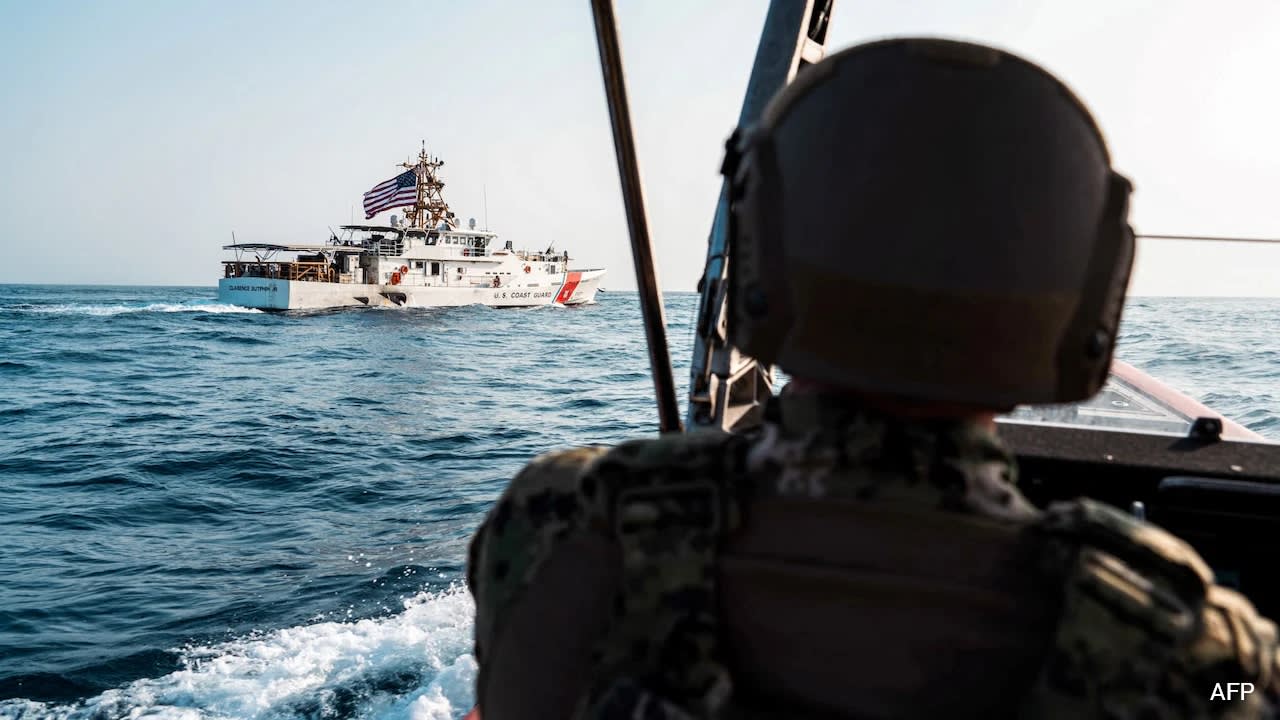
US Central Command reports that it successfully intercepted multiple ballistic missiles launched by Iran in an attempted surprise attack. This development shatters a recent period of relative calm and complicates ongoing diplomatic efforts.
Escalation in the Middle East: US Forces Intercept Iranian Ballistic Missiles
A Sudden Return to Hostilities
The fragile period of relative calm in the Middle East was abruptly shattered on Tuesday when the United States military reported an attempted surprise attack by Iran. According to U.S. Central Command (CENTCOM), multiple ballistic missiles were launched from Iranian territory targeting U.S. forces stationed in the region. This incident marks a significant, albeit sudden, flareup in violence following several days of silence between the two nations.
The Mechanics of the Interception
CENTCOM officials confirmed via social media and official briefings that the attempted assault was countered effectively. All incoming ballistic missiles were successfully intercepted before reaching their intended targets. While the specific locations of the targeted U.S. bases remain undisclosed for operational security reasons, the military's ability to neutralize the threat demonstrates the robust defensive posture maintained by American forces in the theater.
The Diplomatic Paradox
The timing of this attack is particularly notable given the diplomatic context that preceded it. Only a day prior, U.S. President Donald Trump had characterized the atmosphere between Washington and Tehran as one of "very friendly negotiations," noting a three-day pause in direct hostilities. This "lull" was specifically intended to facilitate a return to the negotiating table, making the sudden launch of ballistic missiles a stark contradiction to the perceived progress.
Regional Tensions and Strategic Context
This event occurs against a backdrop of intensifying friction, including ongoing maritime disputes in the Strait of Hormuz. The use of ballistic missiles—specifically types previously showcased by the Islamic Revolutionary Guard Corps—signifies a shift from localized skirmishes to a more direct, high-stakes military confrontation. The suddenness of the attack suggests a deliberate departure from the de-escalation efforts that had been cautiously cultivated by both parties.
Implications and Future Outlook
As of this writing, Tehran has offered no official comment regarding the assault. The international community is now left to evaluate whether this attack represents a total collapse of diplomatic channels or a tactical maneuver intended to strengthen Iran's bargaining position. The immediate future will likely see heightened alert levels for U.S. personnel and a critical reassessment of the viability of the current diplomatic framework. The challenge remains to determine if the parties can return to the "friendly negotiations" mentioned by the White House or if the region is sliding back into a cycle of persistent, direct military conflict.
Verification Required?