Hamburg's Stadtpark: A Park Built to Be Used
Source Entity
Hacker News
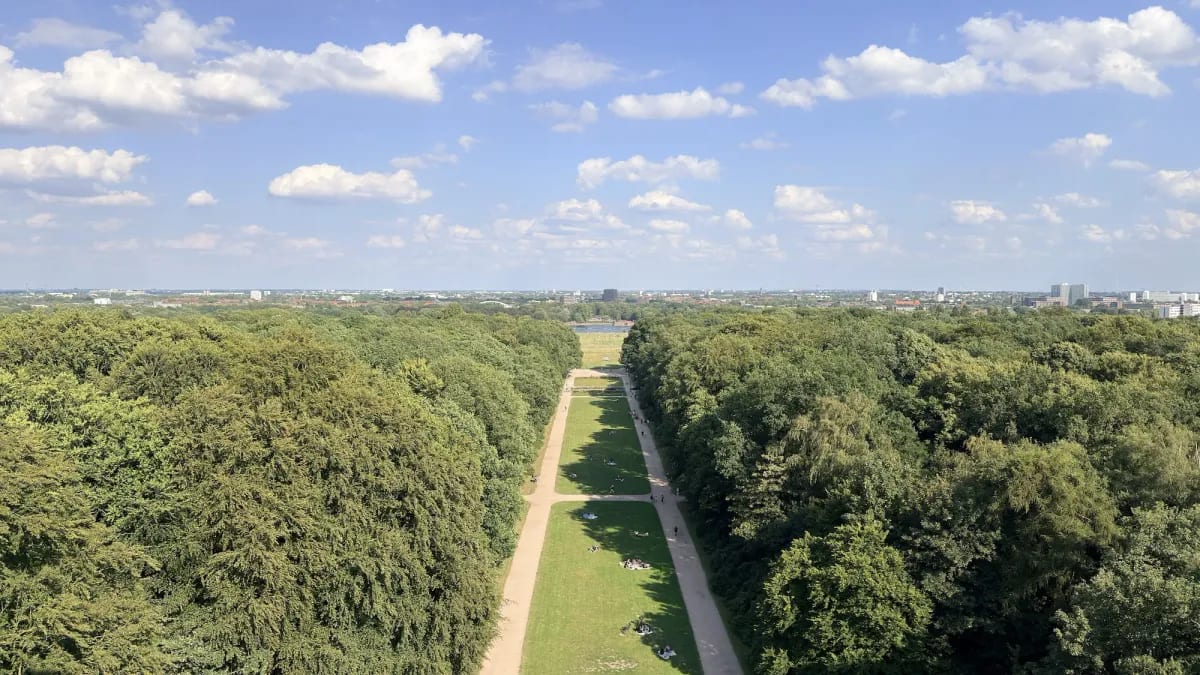
Hamburg’s Stadtpark, established in 1914, remains a vital urban space designed for active public use rather than mere aesthetic display. Its enduring legacy highlights the importance of integrating expansive green spaces into high-density city environments.
The Living Legacy of Hamburg’s Stadtpark
Since its inauguration in 1914, Hamburg’s Stadtpark has stood as a testament to early 20th-century urban planning philosophies that prioritized public accessibility over ornamental exclusivity. Unlike many historical parks designed primarily as aristocratic showcases, the Stadtpark was explicitly conceived as a space for citizens to use, traverse, and inhabit. This foundational intent has allowed it to remain a cornerstone of Hamburg’s social infrastructure for over a century, serving as a functional lung for the city’s dense urban landscape.
A Shift in Urban Design
At the turn of the 20th century, the concept of the 'Volkspark' (people’s park) began to gain traction in Germany. The designers of the Stadtpark broke away from the rigid, manicured styles of the past, opting instead for a layout that encourages active engagement. By integrating vast, open lawns with dense woodland areas, the park provides a versatile environment that supports everything from quiet reflection to high-energy recreation, fulfilling the original mandate of a park built for the people.
The Intersection of Nature and Architecture
One of the most striking features of the Stadtpark is the seamless integration of architectural landmarks within its natural expanse. The iconic Planetarium, constructed from distinctive red brick, acts as a visual anchor that draws visitors through the landscape. The contrast between the expansive, open lawns and the surrounding wooded areas creates a unique sensory experience for cyclists and pedestrians alike, effectively masking the presence of the surrounding city and providing a psychological escape for residents.
The Park as a Catalyst for Exploration
For new residents of Hamburg, the Stadtpark serves as a gateway to the city’s wider ecological network. Much like the Niendorfer Gehege or the Haynspark, the Stadtpark is a vital stop in a larger system of greenways. For many, the act of cycling through these diverse environments is more than just a commute; it is an exploration of the city’s identity, demonstrating how well-planned green spaces can foster a deeper connection between citizens and their urban environment.
Global Context and Future Trends
When compared to world-renowned counterparts like New York’s Central Park or London’s Hyde Park, Hamburg’s Stadtpark holds its own by maintaining a balance between scale and utility. As modern cities face increasing pressure from densification and climate change, the model of the Stadtpark—which emphasizes active public use and large-scale greenery—becomes increasingly relevant. Future urban development trends suggest that cities will continue to look toward these century-old blueprints to mitigate the 'urban heat island' effect and improve the mental well-being of their populations.
Conclusion
Ultimately, the enduring success of the Stadtpark lies in its refusal to be a static monument. By remaining a flexible, living space that adapts to the needs of each generation, it continues to prove that the most successful urban projects are those that put the human experience at the center of their design. Whether for a casual cyclist or a local seeking respite, the park remains a vital, functional asset that defines the character of Hamburg.