Signalling, power and train faults disrupted Bengaluru metro 15 times in 10 months, data shows
Source Entity
India Latest News: Top National Headlines Today & Breaking News | The Hindu
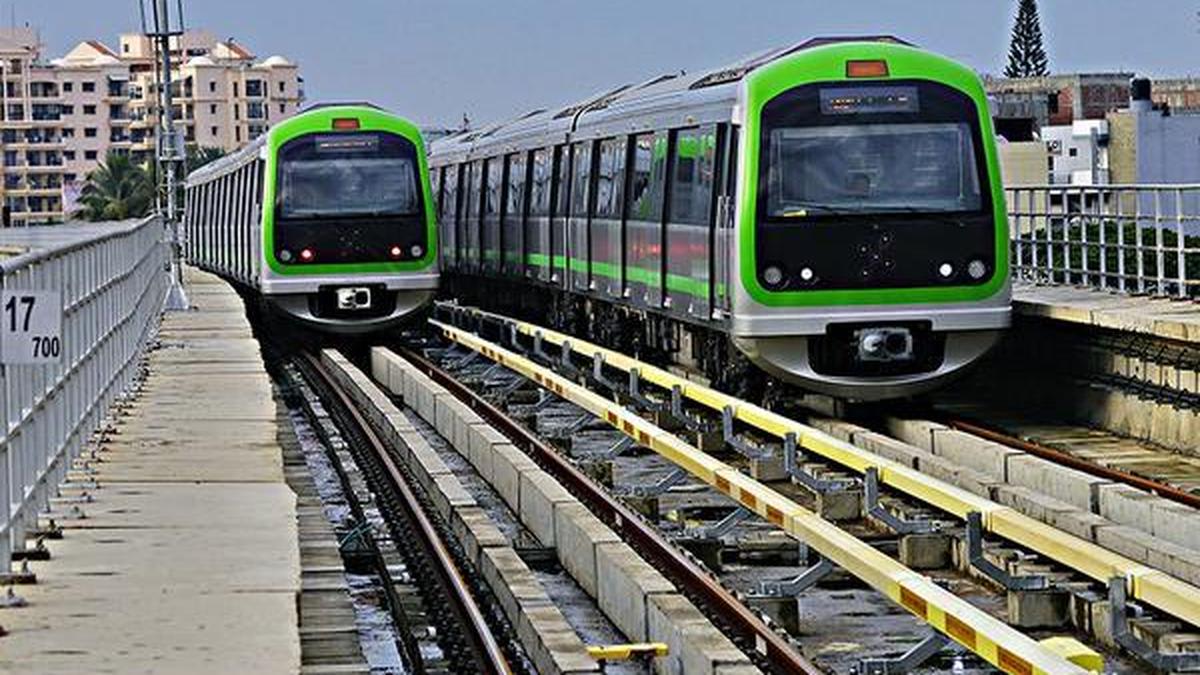
Bengaluru's Namma Metro faced 15 significant technical disruptions between September 2025 and July 2026 due to signaling, power, and rolling stock failures. These incidents caused widespread operational delays and service adjustments across the Purple, Green, and Yellow lines.
Analysis of Namma Metro Operational Reliability
Recent data revealing 15 distinct service disruptions on Bengaluru’s Namma Metro network between September 2025 and July 2026 highlights a growing concern regarding the reliability of one of India's most critical urban transit lifelines. Spanning the Purple, Green, and Yellow lines, these incidents underscore systemic vulnerabilities in the integration of modern transit infrastructure. As the city continues to expand its rail footprint, the frequency of these technical hurdles suggests that maintenance and system integration protocols are struggling to keep pace with operational demands.
The Nature of Technical Failures
According to reports provided by Bengaluru Development Minister Krishna Byre Gowda in the Karnataka Legislative Council, the disruptions were not isolated to a single point of failure. Instead, the network suffered from a complex array of issues, including critical signalling failures that hampered braking systems and train-reversal capabilities. Furthermore, interruptions in traction power supply and malfunctions in train-control components have directly impacted the daily commute of thousands. These technical glitches are indicative of deeper challenges in the delicate equilibrium between rolling stock maintenance and the digital signaling infrastructure that governs safe train movement.
Operational Impact on Commuters
The repercussions of these 15 incidents have been significant, manifesting in operational delays, the withdrawal of trains from active service, and the forced implementation of short-loop operations. Short-looping, while a necessary mitigation strategy to prevent total network gridlock, creates cascading delays and overcrowding at transit hubs. For a city like Bengaluru, which relies heavily on the metro to alleviate its notorious traffic congestion, these service withdrawals represent more than just a minor inconvenience; they undermine public trust in the efficiency of public transit as a viable alternative to private vehicle use.
Infrastructure and Maintenance Challenges
Beyond the immediate inconvenience, the incidents point toward the rigorous demands of maintaining a multi-line metro system. Signaling and traction power are the nervous system and the heartbeat of any metro rail network. When these systems fail repeatedly over a 10-month period, it raises questions about the long-term lifecycle management of the equipment installed across the Purple, Green, and Yellow lines. The reliance on complex, automated train-control components necessitates a highly specialized workforce and a robust preventative maintenance schedule that can adapt to the wear and tear of high-frequency urban operations.
Broader Implications and Future Outlook
Looking ahead, the Namma Metro must prioritize a comprehensive audit of its technical infrastructure to prevent a recurrence of these systemic failures. The transparency offered by the government in acknowledging these faults is a positive first step, but it must be followed by capital investments in system redundancy and advanced diagnostics. As Bengaluru looks to further expand its network, the lessons learned from this 10-month period will be crucial. Future trends suggest that integrating predictive maintenance—using AI to anticipate component failure before it triggers a service disruption—will be essential to ensuring that the Namma Metro remains a reliable backbone for the city's future growth and economic connectivity.
Verification Required?