Bengaluru’s new parking rules could eliminate traffic chokepoints at notorious junctions
Source Entity
India Latest News: Top National Headlines Today & Breaking News | The Hindu
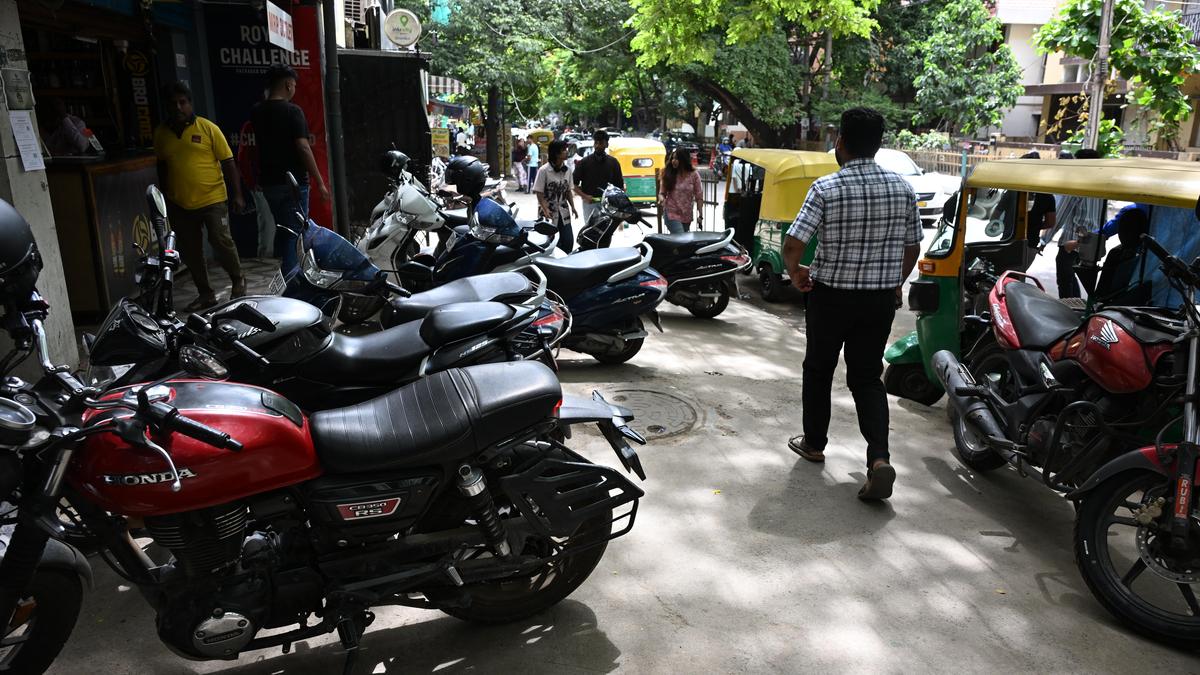
The Greater Bengaluru Parking Rules, 2026, aim to alleviate severe traffic congestion by restricting parking at high-density junctions and public transport hubs. These measures address long-standing concerns from the Bengaluru Traffic Police regarding micro-level bottlenecks.
Addressing Bengaluru's Congestion Crisis
The introduction of the Greater Bengaluru Parking Rules, 2026, marks a significant shift in urban management for a city synonymous with gridlock. While the policy has faced pushback regarding residential parking permits, the broader legislative framework aims to tackle the systemic issue of micro-level congestion that plagues arterial and sub-arterial roads. By prioritizing flow over curb-side storage, the rules attempt to reclaim public space for transit efficiency.
Targeting Micro-Level Bottlenecks
At the heart of the 2026 rules is a strategic focus on junctions and high-density corridors. Historically, Bengaluru’s traffic woes have been exacerbated by vehicles parked indiscriminately near intersections, which narrows lanes and forces merging traffic into chaotic patterns. By imposing strict parking bans at these critical nodes, the city expects to see a measurable reduction in the "chokepoint effect" that currently inflates commute times for millions of daily travelers.
Empowering Traffic Enforcement
For years, the Bengaluru Traffic Police (BTP) have advocated for structural interventions to manage the city's overflowing vehicle population. Their requests, which included relocating bus stands and optimizing junction geometry, were often hampered by lack of regulatory backing. These new rules provide the necessary legal framework to enforce parking restrictions, finally bridging the gap between police enforcement needs and municipal urban planning mandates.
Implications for Public Transport
Beyond private vehicle management, the rules specifically target public transport facilities. By ensuring that bus stands and transit hubs remain clear of parked vehicles, the policy aims to improve the accessibility and reliability of public buses. When buses can pull directly into designated bays without navigating around obstacles, the entire transit ecosystem gains efficiency, potentially encouraging more residents to shift away from private car usage.
Future Outlook and Challenges
While the rules offer a roadmap to a more fluid city, the ultimate success of the 2026 initiative depends on strict compliance and effective enforcement. If the city can successfully clear arterial roads of obstructions, it may set a precedent for future urban planning models in other rapidly growing Indian metros. However, authorities must remain vigilant in balancing these restrictions with the availability of alternative parking solutions to prevent merely shifting the congestion problem to secondary residential streets.
Conclusion
In summary, the Greater Bengaluru Parking Rules, 2026, represent a necessary, if controversial, evolution in city management. By directly addressing the physical obstacles that contribute to congestion, the policy provides a path toward reducing transit times and improving the overall functionality of Bengaluru’s complex road network.
Verification Required?