‘2 hrs 15 mins in traffic’: Bengaluru traveller says rain nearly made him miss flight
Source Entity
Latest News: Todays Latest News Headlines from India & World | Hindustan Times | Hindustan Times
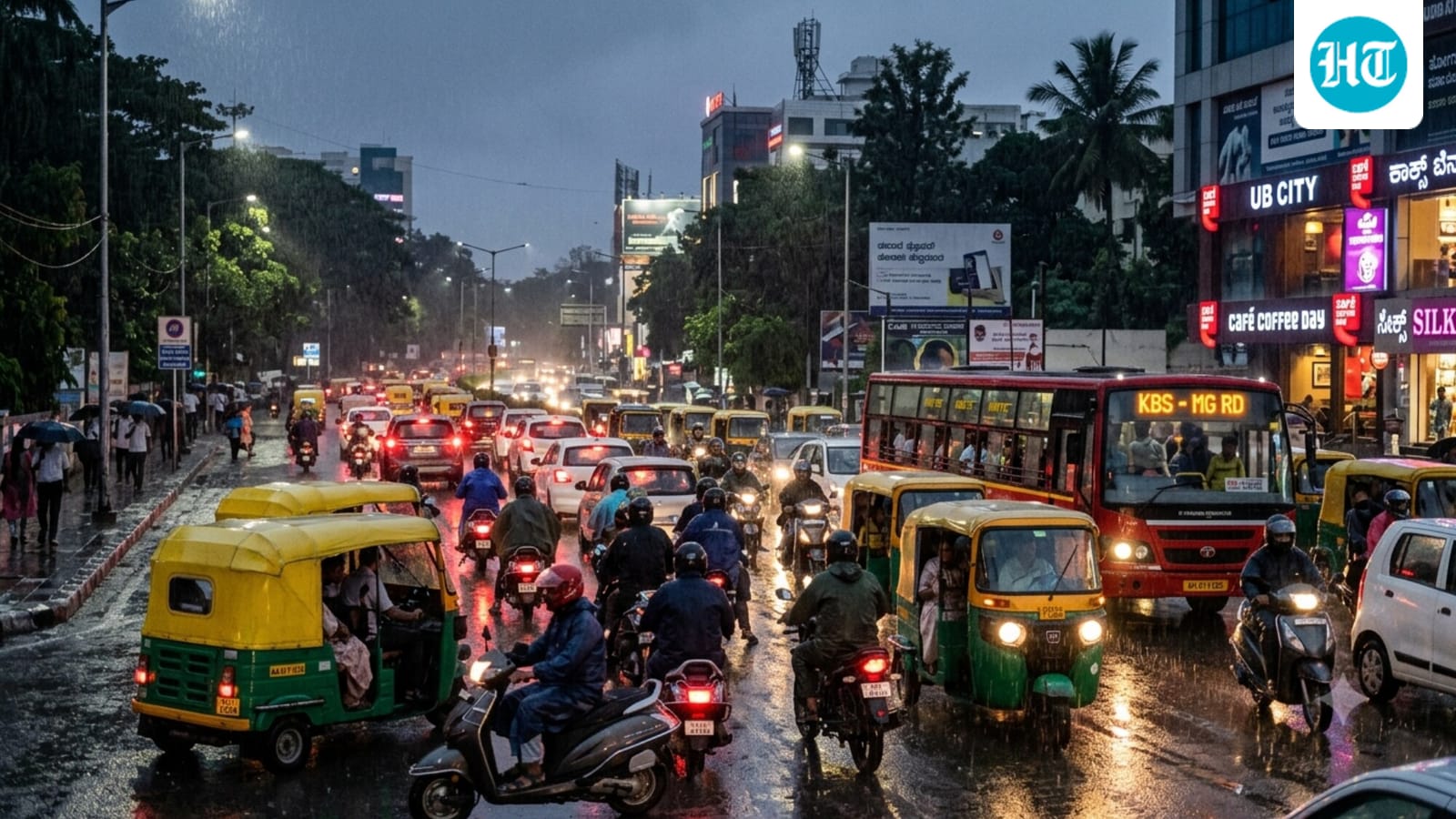
A Bengaluru commuter's two-hour struggle to reach the airport after rain has ignited public debate over the city's infrastructure. The incident highlights the persistent challenges of urban mobility in India's tech hub during adverse weather conditions.
Infrastructure Strain: The Bengaluru Airport Transit Crisis
Recent reports surfacing from Bengaluru underscore a growing crisis in urban mobility, as a commuter traveling from Indiranagar to Kempegowda International Airport faced a grueling two-hour and fifteen-minute ordeal due to rainfall. The incident, shared by user Nitin Sharma on the social media platform X, highlights the extreme vulnerability of the city's transit corridors to even moderate weather events. While the passenger eventually made his flight, the narrative serves as a stark reminder of the mounting frustration among residents regarding the city's ability to handle basic climate-induced traffic disruptions.
The Disconnect Between Transit and Travel
The irony of the situation lies in the contrast between ground travel and airport efficiency. Sharma noted that while the journey to the airport consumed over two hours, the subsequent terminal processing took a mere nine minutes. This disparity points to a systemic failure in the city’s 'last-mile' connectivity to its global gateway. As Bengaluru continues to expand as a global technology hub, the inability to provide reliable transit times to the international airport remains a significant bottleneck that affects both productivity and the city's reputation.
Urban Planning and Climate Vulnerability
Bengaluru's rapid, often unplanned urban expansion has led to saturated drainage systems and road networks that lack the capacity to handle heavy monsoon or even moderate rainfall. The Indiranagar-to-airport route is a vital artery, yet it remains susceptible to waterlogging and traffic congestion that brings movement to a standstill. This incident is not merely an isolated case of bad luck but a symptom of broader infrastructure deficits that have failed to keep pace with the city's exponential population growth.
The Social Media Discourse on Governance
The public reaction to Sharma’s experience highlights a growing trend of citizens using digital platforms to hold local authorities accountable. His admission of 'blaming politicians' while stuck in traffic reflects a broader societal fatigue with promises of 'world-class' infrastructure that remain unfulfilled. This digital venting acts as a catalyst for public discourse, forcing local governance to confront the tangible impact of poor road maintenance and inadequate urban planning on the daily lives of citizens.
Future Trends and Outlook
Looking ahead, the pressure on Bengaluru’s administration to modernize transit infrastructure will only intensify. With increased flight traffic and a growing workforce, the demand for resilient road networks and perhaps expanded public transit options to the airport will become non-negotiable. Without significant investment in drainage, road engineering, and traffic management systems, the city risks frequent, costly delays that threaten its status as a premier global business destination. The path forward requires a shift from reactive maintenance to proactive, climate-resilient urban design.
Verification Required?