FIFA World Cup matches: Restaurants request CM to extend closing timings to 2.30 a.m.
Source Entity
India Latest News: Top National Headlines Today & Breaking News | The Hindu
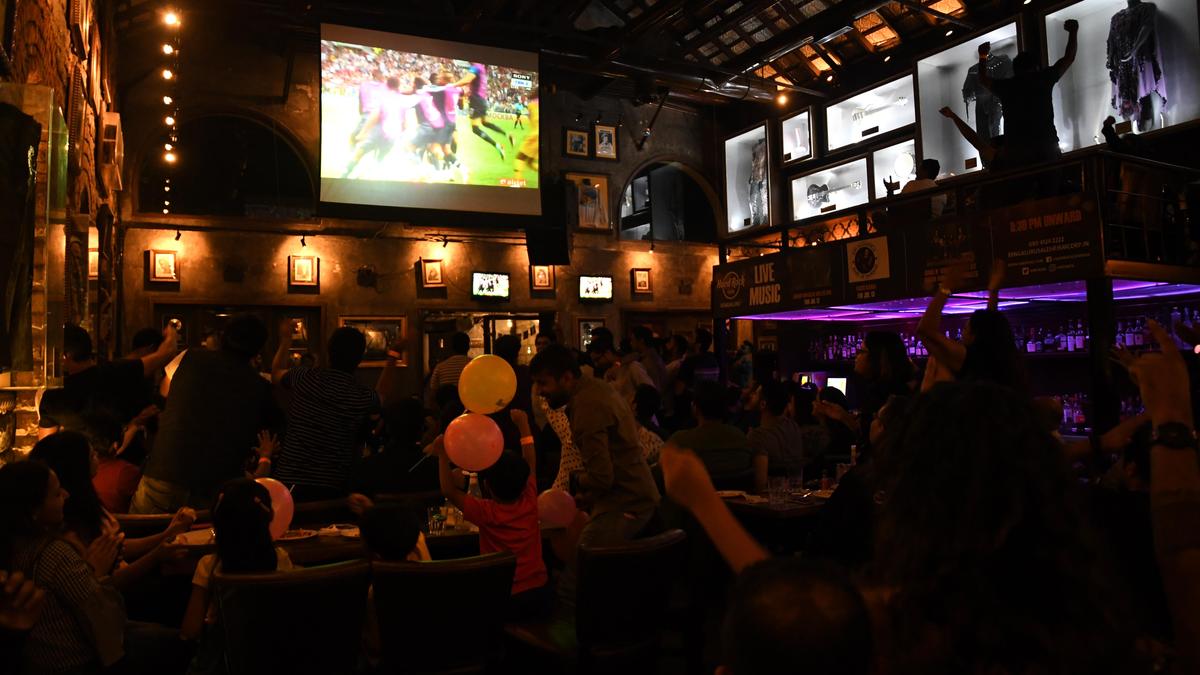
As the frenzy for the FIFA World Cup finals picks up and four matches remain before the finals, the National Restaurants Association of India (NRAI) Bengaluru Chapter has asked for an extension of the...
Bengaluru Hospitality Sector Seeks Policy Flexibility for FIFA World Cup
As the FIFA World Cup enters its final and most critical stage, the city of Bengaluru is witnessing a surge in sporting fervor. To capitalize on this global phenomenon and cater to the needs of football enthusiasts, the National Restaurants Association of India (NRAI) Bengaluru Chapter has formally approached the Chief Minister, requesting an extension of restaurant operating hours. Specifically, the association is seeking permission for establishments to remain open until 2:30 a.m. for the remaining four matches leading up to the finals.
The Time Zone Dilemma and Consumer Demand
The core of the NRAI's request lies in the significant time difference between India and the host nations of the World Cup. Because the matches typically kick off late in the evening or during the early hours of the morning in Indian Standard Time (IST), the standard closing times for restaurants and pubs in Bengaluru create a conflict. Fans who prefer the social experience of "big screen" viewing in public venues are often forced to leave establishments just as the matches reach their climax. By extending the timings to 2:30 a.m., the NRAI aims to align business operations with the actual schedule of the sporting events, ensuring that the consumer experience is not cut short by regulatory constraints.
Economic Implications for the Hospitality Industry
From a business perspective, this request is a strategic move to maximize revenue during a high-demand window. The hospitality sector in Bengaluru, particularly the pub and restaurant culture, relies heavily on "event-based" footfall. The World Cup represents a massive opportunity for increased sales in food and beverages, as well as an increase in the average transaction value per customer. Beyond immediate revenue, such extensions allow businesses to optimize their staffing and resource allocation, potentially creating short-term employment opportunities for part-time service staff to handle the late-night crowds.
Regulatory Hurdles and Public Safety
While the economic incentives are clear, the request places the state government in a delicate position regarding law and order. Extending closing hours often raises concerns among civic authorities regarding noise pollution in residential areas, traffic management during late-night exits, and the overall safety of patrons. The government must weigh the economic benefits for the business community against the potential for increased public nuisance or security risks. Historically, such exceptions are granted on a case-by-case basis, but they require strict adherence to guidelines to prevent the extension from becoming a catalyst for lawlessness.
The Evolution of Bengaluru's Night Economy
This request reflects a broader conversation about the "night economy" in India's Silicon Valley. Bengaluru has long been seen as a hub for youth and expatriates who work in non-traditional hours due to the city's ties with global tech markets. The push for extended hours during the World Cup is a microcosm of a larger desire for a more flexible, 24/7 urban ecosystem. If the government grants this request, it could serve as a precedent for future global events—such as the Olympics or other major championships—effectively normalizing the concept of temporary policy relaxations to support the leisure and tourism sectors.
Conclusion
The NRAI's request to the Chief Minister is more than just a plea for a few extra hours of operation; it is an attempt to synchronize the local business landscape with a global cultural event. While the decision ultimately rests on the government's ability to balance commercial growth with public order, the move highlights the growing importance of sports tourism and social viewing experiences in urban India. The outcome of this request will likely dictate how Bengaluru handles similar global sporting events in the future.
Verification Required?