Punjab man out on bail in 2020 sacrilege case hacked to death
Source Entity
Raakhi Jagga
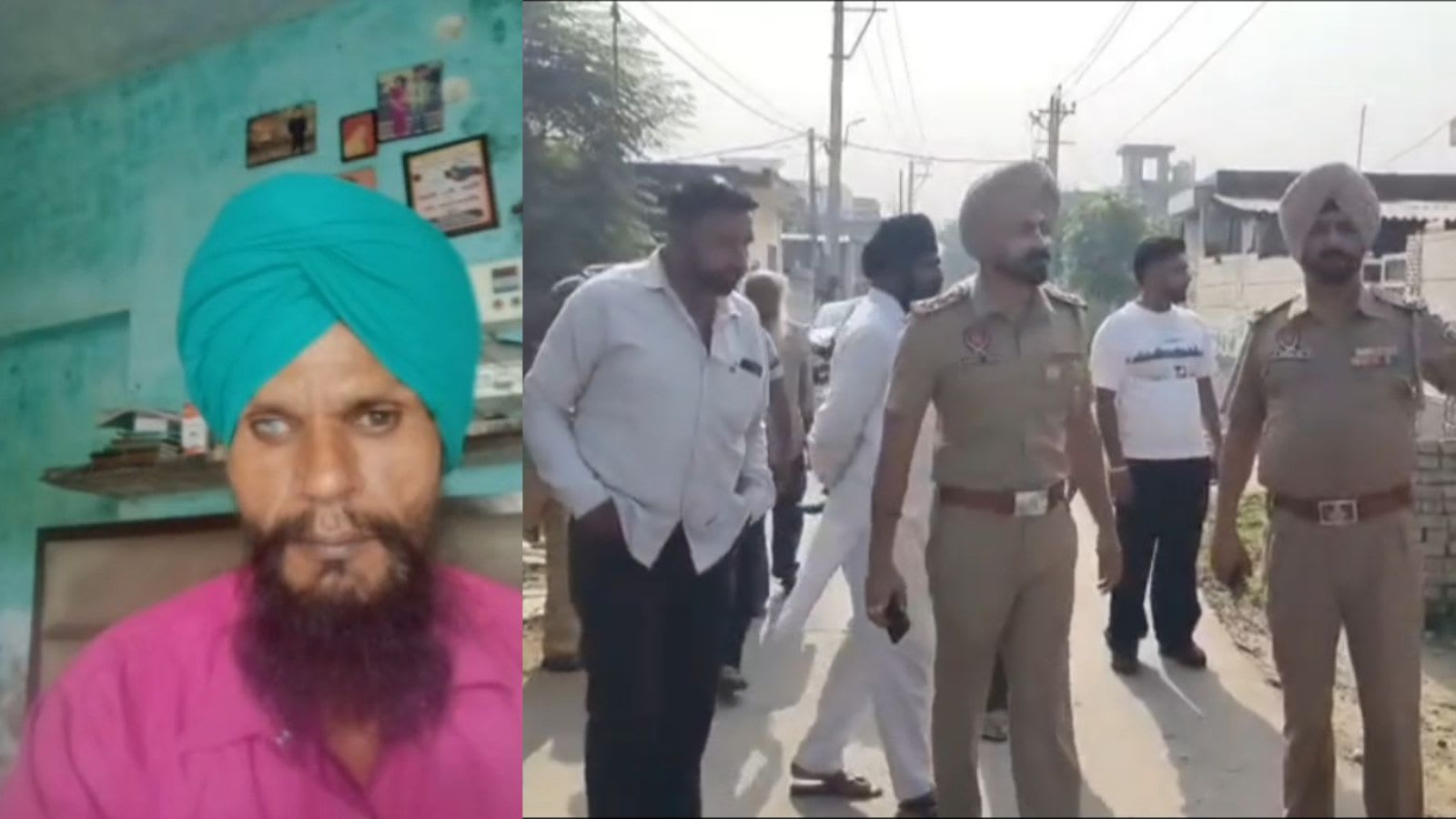
After securing bail in the sacrilege case, Mewa Singh (left) stopped working as a tailor. A police team outside his house in Tooran village (right). A 45-year-old man out on bail in a 2020 sacrilege ...
Vigilantism and Religious Sensitivity: The Killing of Mewa Singh
The brutal killing of 45-year-old Mewa Singh in Tooran village, Punjab, serves as a grim reminder of the volatility surrounding sacrilege cases in the region. Singh, who had been accused of sacrilege in 2020 and had recently secured bail, was hacked to death, signaling a violent rejection of the judicial process by unknown assailants. This event is not merely a criminal act of murder but a manifestation of the profound emotional and religious trauma that sacrilege—specifically the desecration of holy scriptures—inflicts upon the Sikh community.
The Societal Weight of Sacrilege in Punjab
To understand the gravity of this event, one must look at the historical and cultural context of 'Beadbi' (sacrilege) in Punjab. In the Sikh faith, the Guru Granth Sahib is treated as a living Guru; any act of desecration is viewed as an attack on the core identity and spiritual sovereignty of the community. Historically, sacrilege cases have triggered massive protests, civil unrest, and a deep distrust of state machinery. When an individual is accused of such a crime, they often become social pariahs, regardless of the legal status of their case, as the communal sentiment often outweighs the presumption of innocence.
The Gap Between Legal Bail and Social Acceptance
This case highlights a dangerous disconnect between the legal system and societal expectations. While the court deemed Mewa Singh eligible for bail, the community or the perpetrators of the crime clearly did not accept this legal reprieve. The act of hacking him to death suggests a desire for 'instant justice' or retribution that bypasses the judiciary. This trend of vigilante justice is particularly perilous in Punjab, where the intersection of religious fervor and political mobilization can turn legal proceedings into flashpoints for communal violence.
Economic Ostracization and Pre-Death Hardships
Beyond the final act of violence, the details reveal a pattern of systemic social isolation. The report notes that Mewa Singh had stopped working as a tailor after securing bail. This indicates that even before his death, Singh was suffering from severe economic and social ostracization. In small villages like Tooran, the social fabric is tightly knit, and an accusation of sacrilege often leads to a total boycott by neighbors and clients. The loss of livelihood is a common precursor to these tragedies, illustrating how the 'social trial' often convicts the accused long before the legal trial concludes.
Law Enforcement Challenges in High-Tension Zones
For the Punjab Police, this incident presents a significant challenge in maintaining law and order. Protecting an accused individual in a sacrilege case is an administrative nightmare; providing 24/7 security to every person out on bail is impossible, yet failing to do so often leads to these violent outcomes. The presence of the police team outside Singh's house after the murder underscores a reactive rather than proactive security approach, which is often the case in hyper-local, high-emotion crimes where the perpetrators blend into the local population.
Predicting Future Trends in Communal Stability
Looking forward, this incident is likely to exacerbate tensions between those who advocate for the rule of law and those who believe that religious crimes warrant immediate, extra-judicial punishment. If such killings go unpunished or are tacitly supported by local sentiments, it may embolden other vigilante groups to target accused individuals in similar cases. There is a growing risk that sacrilege will continue to be used as a tool for social purging, leading to a cycle of violence that the state struggle to contain.
Conclusion
The death of Mewa Singh is a tragic intersection of religious sensitivity and the failure of social integration post-bail. While the act of sacrilege is abhorrent to millions, the shift toward vigilante justice undermines the foundation of the Indian legal system. To prevent further bloodshed, there is an urgent need for community-led reconciliation and a more robust state mechanism to protect the rights of the accused while respecting the deep religious sentiments of the public.