Why is Telangana still waiting for monsoon rain despite showers in neighbouring States?
Source Entity
India Latest News: Top National Headlines Today & Breaking News | The Hindu
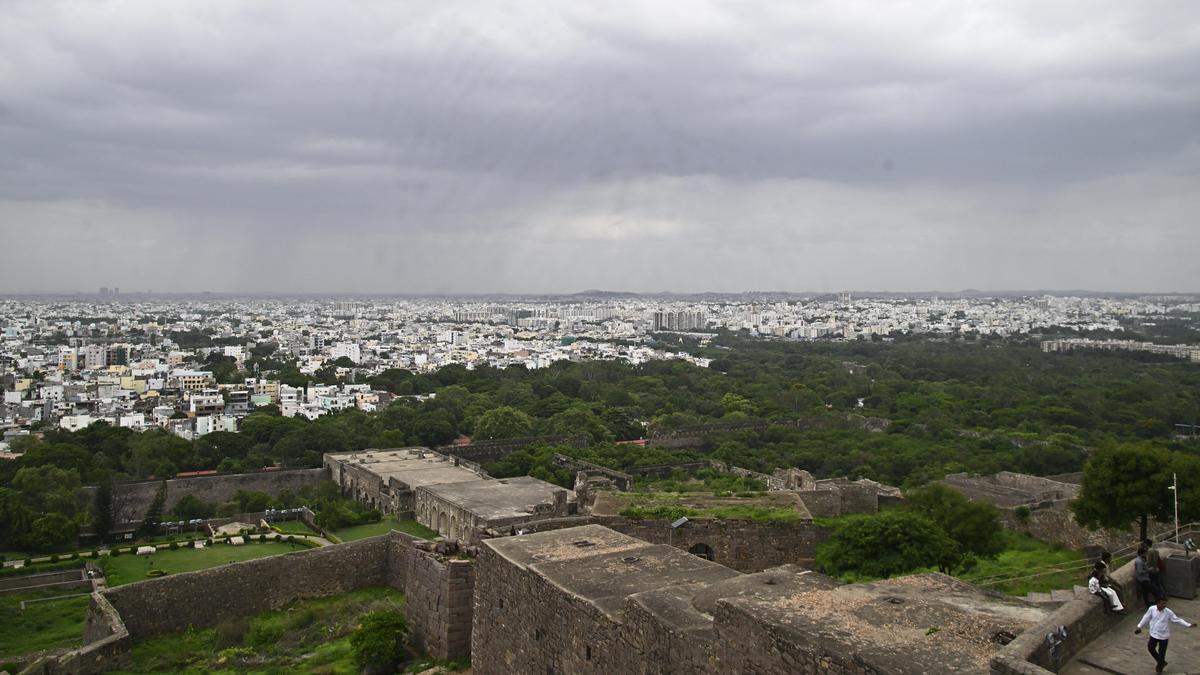
International climate monitoring agencies continue to indicate that El Nino conditions are expected to strengthen during the remainder of the southwest monsoon season and later in the year, says IMD Hyderabad Senior Meteorologist Srinivas G.N.R.S
Understanding the Monsoon Deficit in Telangana
Telangana is currently facing a challenging meteorological situation where the expected southwest monsoon rains have been erratic or delayed, creating a stark contrast with neighboring states that have already received substantial showers. This disparity has caused growing concern among the agricultural community and policymakers. According to Srinivas G.N.R.S, a Senior Meteorologist at IMD Hyderabad, the primary driver behind this lack of precipitation is the strengthening of El Niño conditions. This atmospheric-oceanic phenomenon is not merely a local weather glitch but a global climatic event that significantly alters precipitation patterns across Asia, particularly impacting the Indian subcontinent.
The Mechanism of El Niño and the Indian Monsoon
To understand why Telangana is struggling, one must look at the mechanics of El Niño. This phenomenon occurs when surface waters in the central and eastern Pacific Ocean warm up significantly. This shift in ocean temperatures disrupts the Walker Circulation, altering the atmospheric pressure gradients that normally drive the moisture-laden southwest monsoon winds toward the Indian landmass. When El Niño strengthens, it often leads to a weakening of the monsoon trough and a reduction in the intensity of rain-bearing systems. For a landlocked state like Telangana, which relies heavily on these seasonal winds, any systemic weakness in the monsoon flow can result in prolonged dry spells, even if coastal or neighboring regions experience localized rain due to different pressure systems.
Regional Disparities and Atmospheric Dynamics
The paradox of Telangana remaining dry while its neighbors receive rain is often a result of the complex interplay between large-scale climatic drivers like El Niño and meso-scale atmospheric conditions. While El Niño provides the overarching trend of "below-average" rainfall, the actual distribution of rain is governed by local low-pressure areas and moisture convergence. In many instances, the moisture-laden winds may be diverted or blocked by atmospheric ridges, leaving certain pockets—like the Deccan Plateau where Telangana is situated—in a "rain shadow" or under the influence of descending air that inhibits cloud formation. This creates a fragmented rainfall pattern where one state suffers a drought while another experiences floods.
Socio-Economic Implications for Agriculture
The delay in rainfall has profound implications for Telangana's agrarian economy. The state's farming cycle is tightly synchronized with the arrival of the southwest monsoon, particularly for the sowing of Kharif crops such as cotton, paddy, and maize. A delayed onset or a mid-season dry spell increases the risk of crop failure and forces farmers to rely heavily on groundwater and borewells. As the water table drops during these dry periods, the cost of production rises, and the risk of financial distress for small-scale farmers increases. The strengthening of El Niño suggests that this stress may persist throughout the remainder of the season, potentially leading to reduced yields and impacting food security and market prices.
Water Resource Management and Future Outlook
Beyond immediate crop concerns, the lack of rain threatens the replenishment of Telangana's reservoirs and tanks, which are critical for both drinking water and irrigation during the winter (Rabi) season. If the strengthening El Niño conditions persist as predicted by the IMD, the state may face a critical water shortage in the coming months. This necessitates a strategic shift toward more resilient water management practices, including the promotion of micro-irrigation and the cultivation of drought-resistant crop varieties. Historically, strong El Niño years have often been precursors to leaner agricultural years in India, suggesting that the state must prepare for a prolonged period of water scarcity.
Conclusion
In summary, the current rain deficit in Telangana is a direct manifestation of the strengthening El Niño phenomenon, which has disrupted the traditional flow of the southwest monsoon. While neighboring states may find temporary relief through localized weather patterns, the broader climatic trend points toward a challenging season for Telangana. The synthesis of IMD data and climatic history underscores the need for urgent adaptive measures in agriculture and water conservation to mitigate the impact of this global climatic anomaly on the local population.
Verification Required?