Bank refused to release his life savings – meagre Rs 8,000 – he died waiting
Source Entity
Shubham Tigga
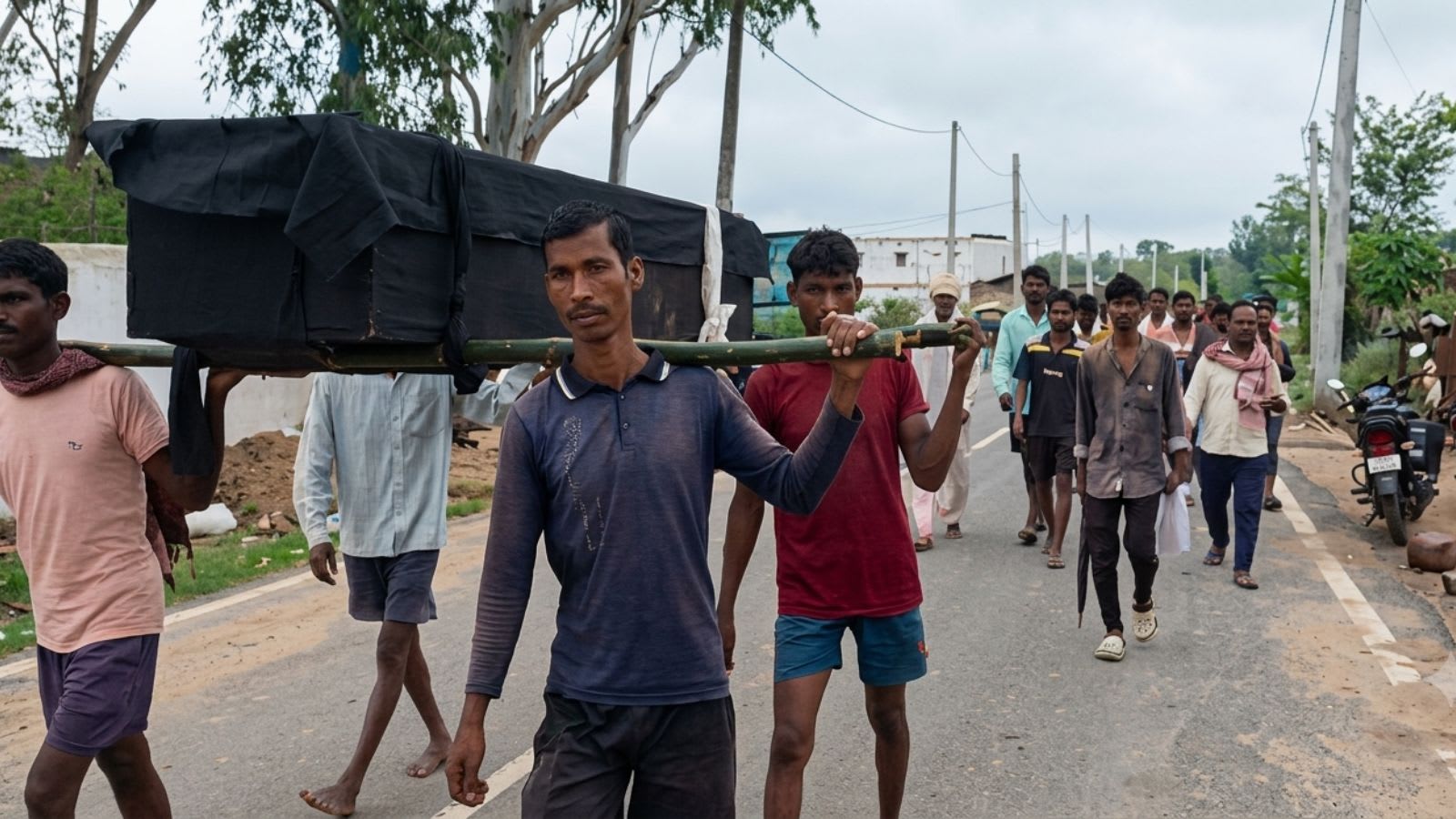
For nearly a year, Fulmani Lakra and her Adivasi family from Giridh’s Badgarh village spent hours at the local Jharkhand Gramin Bank. They stood in long queues, ran from counter to counter and even al...
The Human Cost of Bureaucratic Apathy: A Tragic Tale from Jharkhand
In a heartbreaking manifestation of systemic failure, a man from the Adivasi community in Badgarh village, Jharkhand, passed away before he could access his modest life savings of Rs 8,000. For nearly a year, he and his family, including Fulmani Lakra, endured a grueling cycle of long queues and bureaucratic runarounds at the local Jharkhand Gramin Bank. This incident is not merely a story of a failed bank transaction but a stark reflection of the dehumanizing experience marginalized communities face when interacting with formal financial institutions.
The Cycle of Administrative Negligence
The struggle faced by the family highlights a critical gap in the operational empathy of rural banking. Despite the meager amount involved—a sum that represents a lifetime of savings for a marginalized family—the bank's refusal to release the funds forced the account holder to spend his final months in a state of perpetual frustration. The act of running from counter to counter suggests a fragmented internal process where responsibility is shifted rather than resolved, leaving the customer trapped in a loop of administrative indifference. This level of negligence transforms a simple banking procedure into an insurmountable wall for those without social or political capital.
Socio-Economic Marginalization of Adivasi Communities
This event must be viewed through the lens of the historical and social marginalization of Adivasi populations in India. For many in these communities, the bank is not just a service provider but an intimidating institution. Language barriers, lack of formal documentation, and a general lack of financial literacy often make them vulnerable to exploitation or neglect by bank officials. When a bank refuses to process a legitimate claim for a small sum, it reinforces the perception that these institutions are designed for the elite, effectively alienating the very people they are mandated to serve through rural banking initiatives.
The Paradox of Financial Inclusion
India has made significant strides in 'Financial Inclusion' through initiatives like the Pradhan Mantri Jan Dhan Yojana, aimed at bringing the unbanked population into the formal fold. However, this tragedy exposes the paradox of such schemes: opening an account is a quantitative success, but ensuring the accessibility of funds is a qualitative failure. The case of the Jharkhand Gramin Bank demonstrates that providing a bank account is meaningless if the process of withdrawing money is fraught with unnecessary hurdles. True financial inclusion requires not just the existence of accounts, but a commitment to dignity and accessibility for the poorest citizens.
Broader Implications and Future Trends
Moving forward, this incident serves as a catalyst for demanding stricter accountability mechanisms within regional rural banks (RRBs). There is an urgent need for a grievance redressal system that is accessible to non-literate or rural populations, perhaps through community ombudsmen who can intervene in cases of blatant negligence. As banking moves toward digitization, there is a risk that the 'digital divide' will further isolate Adivasi families. If the physical banking experience is this exclusionary, the transition to digital-only services could lead to an even greater erasure of the poor from the financial ecosystem.
Conclusion
The death of this individual while waiting for his own money is a profound indictment of the rural banking infrastructure in Jharkhand. It underscores the reality that for the most vulnerable, a small amount of money is not 'meagre'—it is a lifeline. Until banks prioritize human dignity over rigid, often arbitrary, bureaucratic protocols, the promise of financial empowerment will remain a distant dream for India's marginalized communities.