Noida Twin Towers demolition firm Edifice to raze tilted Bengaluru tower; ₹20 crore rebuild, buyers to get compensation
Source Entity
Latest News: Todays Latest News Headlines from India & World | Hindustan Times | Hindustan Times
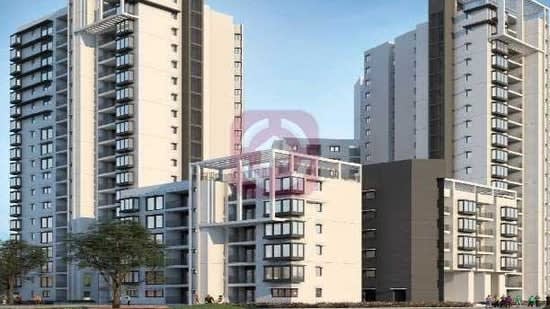
A Bengaluru developer has voluntarily decided to demolish an 18-storey residential tower at SNN Raj Etternia after it developed a structural tilt. Edifice Engineering, known for the Noida Twin Towers project, will handle the demolition while the developer compensates 49 impacted homebuyers.
A Proactive Approach to Structural Safety
In a rare and significant development for the Indian real estate sector, a Bengaluru-based developer has initiated the voluntary demolition of an 18-storey residential tower within the SNN Raj Etternia project. This decision follows the discovery of a structural tilt in the building just three months after it received its Occupancy Certificate (OC). Unlike previous high-profile demolition cases in India, such as the Supertech Twin Towers in Noida or the Maradu flats in Kochi, this action is entirely self-initiated, setting a new precedent for corporate accountability in construction.
The Role of Edifice Engineering
To execute this complex task, the developer has engaged Edifice Engineering, the same firm responsible for the controlled implosion of the Supertech Twin Towers in Noida. Their involvement brings a level of technical expertise and experience in handling high-stakes structural demolition. Given the density of the surrounding SNN Raj Etternia project—which consists of approximately 15 towers and 970 apartments—the choice of a specialized firm is critical to ensuring the structural integrity of the adjacent buildings remains uncompromised during the raze.
Prioritizing Homebuyer Interests
Beyond the physical demolition, the developer has committed to a comprehensive compensation package for the 49 affected homebuyers. Recognizing the financial strain caused by the delay, the developer will provide payments linked to the size of each apartment. These funds are intended to cover EMI burdens and rental expenses during the reconstruction phase. This gesture serves as a vital bridge in maintaining trust between the developer and the consumer, particularly in a market where project delays often lead to protracted legal battles.
Implications for Construction Standards
The emergence of a structural tilt so soon after receiving an OC raises urgent questions regarding quality control and geotechnical assessment in rapidly urbanizing hubs like Bengaluru. While the voluntary nature of this demolition displays a high level of integrity, it also highlights the volatility of modern high-rise construction. This event will likely prompt stricter scrutiny from regulatory bodies and potential homebuyers, who may now demand more transparent structural audits before taking possession of new properties.
Future Trends in Real Estate
Looking forward, this incident may influence how real estate firms manage structural risks. The shift from reactive, court-mandated demolitions to proactive, voluntary reconstructions suggests a maturing market where brand reputation and long-term liability are increasingly valued over short-term gains. As urban centers continue to expand vertically, the ability of developers to identify and rectify structural flaws before they escalate into catastrophes will become a key differentiator in the competitive Indian real estate landscape.
Verification Required?