Traffic police crack down on illegal dumping of construction waste, issue 212 notices
Source Entity
India Latest News: Top National Headlines Today & Breaking News | The Hindu
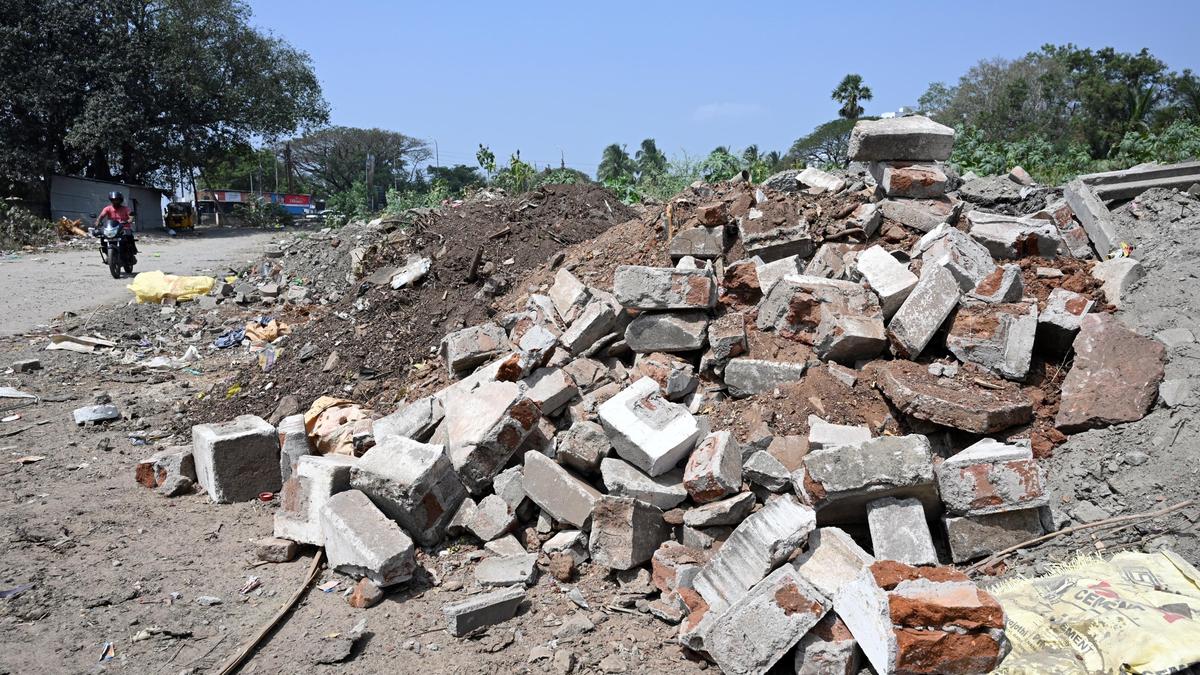
The Bengaluru Traffic Police have launched a city-wide special enforcement drive against tipper lorries and other vehicles illegally dumping construction and demolition waste on roads and at unauthori...
Bengaluru's War on Illegal Construction Waste: An Analysis
In a decisive move to curb urban degradation and enhance road safety, the Bengaluru Traffic Police have initiated a comprehensive city-wide enforcement drive targeting the illegal disposal of construction and demolition (C&D) waste. The operation has already yielded significant results, with 212 notices issued to tipper lorries and other vehicles caught dumping debris on roads and in unauthorized areas. This crackdown highlights a growing tension between the city's rapid infrastructural expansion and its capacity to manage the resulting waste streams.
The Operational Impact of C&D Waste
Illegal dumping of construction debris is not merely an environmental concern; it is a critical traffic and safety hazard. When tipper lorries discard rubble, concrete, and bricks on city roads, they create physical obstructions that force motorists to swerve unexpectedly, increasing the risk of accidents. Furthermore, the accumulation of debris narrows the effective width of the carriage-way, exacerbating Bengaluru's already notorious traffic congestion. By issuing these 212 notices, the traffic police are addressing the immediate physical threats to road users while sending a stern warning to contractors who prioritize cost-cutting over civic legality.
The Context of Rapid Urbanization
To understand the scale of this issue, one must look at the broader context of Bengaluru's growth. As the 'Silicon Valley of India,' the city has experienced an unprecedented construction boom over the last decade. The proliferation of high-rise apartments, tech parks, and expanded road networks has generated millions of tons of C&D waste. Often, the cost and logistics of transporting this waste to authorized processing plants are viewed as prohibitive by small-to-medium contractors. Consequently, the 'shortcut' of nocturnal illegal dumping has become a systemic problem that the authorities are now aggressively combating.
Environmental and Infrastructural Implications
Beyond the immediate traffic concerns, the illegal dumping of C&D waste has severe long-term implications for the city's infrastructure. Debris dumped on roadsides frequently washes into the city's storm-water drains (Rajakaluves) during the monsoon season. This leads to massive blockages, which are a primary driver of the chronic urban flooding that plagues Bengaluru every year. By cracking down on the source—the transport vehicles—the police are indirectly contributing to the city's flood mitigation efforts and protecting the integrity of the urban drainage system.
Economic Incentives and Regulatory Gaps
The persistence of this illegal activity suggests a gap between regulation and implementation. While laws exist prohibiting illegal dumping, the economic incentive to avoid official disposal fees often outweighs the perceived risk of being caught. This enforcement drive indicates a shift toward a 'zero-tolerance' approach. For the crackdown to be sustainable, it will likely need to be paired with more accessible C&D waste processing facilities and a more streamlined system for contractors to track and dispose of waste legally.
Future Trends in Urban Waste Enforcement
Looking ahead, it is probable that the Bengaluru Traffic Police will integrate more technology into these enforcement drives. The use of CCTV surveillance, GPS tracking for tipper lorries, and digital reporting systems could automate the detection of illegal dumping sites. We can expect a trend toward 'smart enforcement,' where real-time monitoring replaces sporadic drives, ensuring that the 212 notices issued today are not just a temporary spike in activity but the start of a permanent deterrent.
Conclusion
The current crackdown on illegal construction waste is a necessary intervention to preserve the livability of Bengaluru. While the issuance of notices is a strong first step, the long-term solution lies in a collaborative effort between the traffic police, the Bruhat Bengaluru Mahanagara Palike (BBMP), and the construction industry. Ensuring that the city grows sustainably requires not just the building of new structures, but the disciplined management of the waste those structures leave behind.
Verification Required?