‘Was helping citizens, had no grudge against doctor’: Shiv Sena corporator seeks bail
Source Entity
The Indian Express
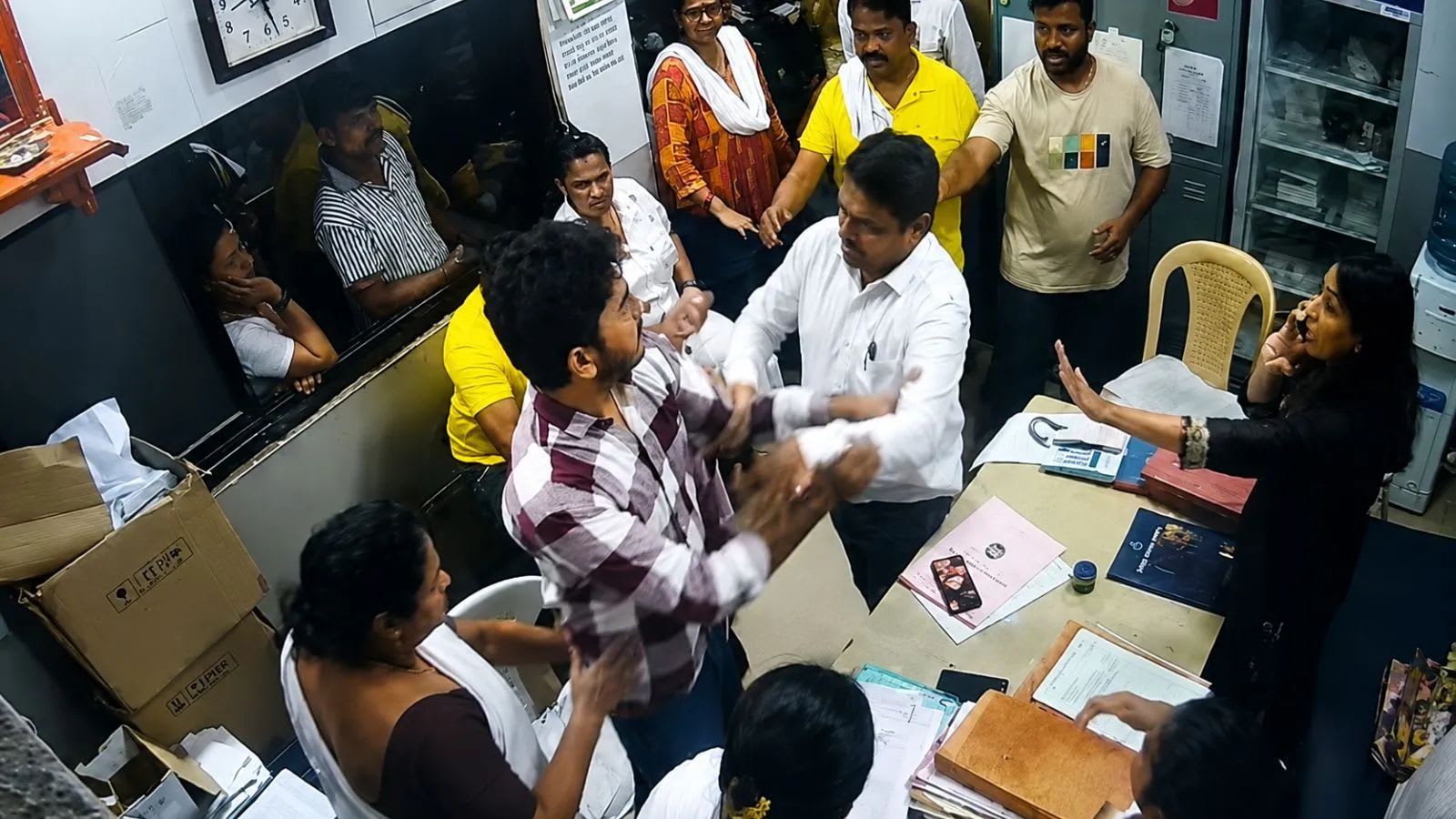
Ramesh Mhatre was arrested for assaulting a doctor and nurses at the Dombivli civic hospital. (Special arrangement photo, Image enhanced using AI) Shiv Sena corporator Ramesh Mhatre, who was arrested...
Political Intervention and Public Order: The Case of Ramesh Mhatre
The arrest of Ramesh Mhatre, a corporator representing the Shiv Sena, marks a contentious intersection between local political advocacy and criminal misconduct. The incident, which took place at the Dombivli civic hospital, involves allegations of assault against medical professionals, including doctors and nurses. This event underscores a recurring tension in Indian local governance, where elected representatives often attempt to mediate between citizens and public institutions, sometimes crossing the line from advocacy into intimidation and violence.
The Incident and Legal Defense
According to reports, Mhatre was apprehended after an altercation that left healthcare staff feeling threatened and assaulted. In his plea for bail, Mhatre has maintained that he had no personal grudge against the medical staff and that his presence at the hospital was intended to assist citizens who were likely facing difficulties in receiving care. This defense attempts to frame the assault not as a targeted attack, but as a byproduct of a 'mission' to ensure public welfare. However, the legal system distinguishes between the right to represent constituents and the act of physical aggression toward public servants on duty.
The Broader Crisis of Violence Against Healthcare Workers
This specific incident is a microcosm of a larger, systemic issue in India: the rising tide of violence against healthcare providers. Hospitals, which are meant to be sanctuaries of healing, have increasingly become sites of conflict. When a political figure is involved in such an assault, it sends a dangerous signal that the authority of an elected office can be used to bypass the law or intimidate essential workers. Such incidents not only demoralize the medical staff but also disrupt the delivery of critical healthcare services to the very citizens Mhatre claims to be helping.
The Role and Responsibility of a Corporator
As a corporator, Ramesh Mhatre holds a position of trust and administrative responsibility within the civic framework. The primary role of such a representative is to improve civic amenities and ensure that public hospitals are functioning efficiently through official channels and policy advocacy. By allegedly resorting to assault, the representative bypasses the democratic and administrative mechanisms designed for grievance redressal. This shift from 'governance' to 'vigilantism' undermines the institutional integrity of the Dombivli civic hospital and the municipal corporation at large.
Legal Implications and the Bail Process
The current legal battle for bail will likely hinge on the severity of the injuries sustained by the medical staff and the specific sections of the Indian Penal Code (IPC) under which Mhatre was charged. The judiciary will have to balance the presumption of innocence with the need to protect public servants from political harassment. If the court perceives the act as a deliberate abuse of power, it may set a precedent to deter other political figures from utilizing their status to intimidate public employees.
Summary and Future Outlook
In conclusion, the case of Ramesh Mhatre serves as a stark reminder of the fragility of the relationship between political intermediaries and public service providers. While the desire to assist citizens is a valid goal for any elected official, the method of delivery must remain within the bounds of the law. Moving forward, this case will likely fuel calls for stricter security measures in civic hospitals and a more rigorous enforcement of laws protecting healthcare workers from political interference, ensuring that medical care is delivered in an environment free from fear and coercion.